Wyoming offers a distinctive turkey hunting experience centered on Merriam’s wild turkeys in the mountain and foothill habitats of the northeastern and north-central regions of the state. Adult toms typically weigh 11–24 lbs (toms), 5–12 lbs (hens) and are found in the Black Hills, Bighorn Mountains, and along major river corridors. While Wyoming is not traditionally considered a turkey hunting powerhouse, the state holds established Merriam’s populations in the Black Hills, Bighorn Mountains, and river corridors that provide quality hunting with minimal pressure. The Wyoming Game and Fish Department (WGFD) manages turkey populations through spring and fall seasons with a limited-license system.
| Season Type | Opens | Closes | Notes |
|---|---|---|---|
| Spring | April 1, 2025 | May 31, 2025 | Spring turkey season. Gobblers/bearded only. License required. |
| Fall | September 1, 2025 | January 31, 2026 | Fall turkey season. Either-sex. Dates vary by hunt area. |
Turkey range in Wyoming is concentrated in specific areas rather than spread statewide. The Black Hills of Crook and Weston counties, the Bighorn Mountain foothills, and the cottonwood-lined river corridors of the Tongue, Powder, and North Platte rivers support the bulk of the state’s turkey population. Ponderosa pine forests, riparian zones, and agricultural interfaces provide the mix of roosting trees, open ground, and food sources that Merriam’s turkeys require. Sheridan, Cody, and Casper serve as convenient base camps for reaching turkey country.
Always verify current season dates, bag limits, and area-specific regulations through the official WGFD resources before planning your hunt. Turkey hunting rules and license availability can change annually.
Season Overview
Wyoming offers both spring and fall turkey seasons. The spring season typically opens in April and runs through May, coinciding with peak gobbling activity when toms are actively breeding. The fall season generally runs from September through January, providing an extended opportunity to pursue turkeys alongside other fall game seasons.
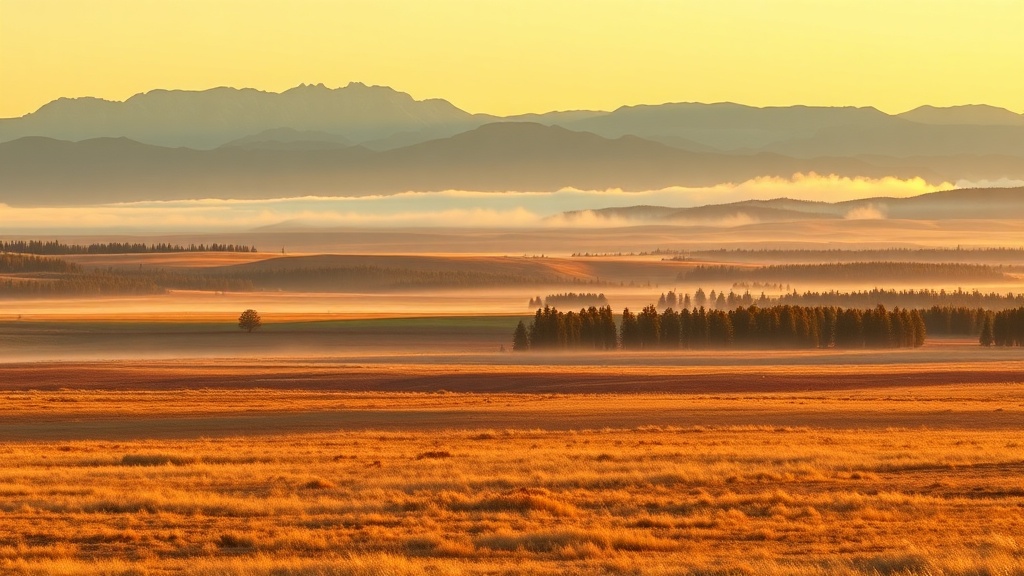 Spring turkey hunting is the primary draw, as gobblers are at their most vocal and susceptible to calling. The fall season attracts fewer hunters and offers a different hunting experience focused on flock patterns and travel routes. Season dates and available hunt areas may vary, so always confirm the current structure.
For full season details, visit the Wyoming hunting seasons page.
Licensing and Tags
Wyoming turkey licenses are allocated through a limited-quota draw system. Hunters must apply for specific hunt areas during the application period, and licenses are awarded through a lottery. The number of available licenses varies by area and season. Some areas may have leftover licenses available after the draw on a first-come, first-served basis. Residents can expect to pay $30.00 for a resident hunting license, while nonresidents should budget for the higher $175.00 nonresident fee.
Nonresidents can apply for Wyoming turkey licenses, though the number of nonresident tags is limited. Preference points are not used for turkey draws in Wyoming, so each year’s drawing is based on random selection. Hunters may be able to apply for both spring and fall seasons.
All hunters need a valid Wyoming conservation stamp in addition to their turkey license. Youth hunters may have access to special opportunities or reduced-fee licenses.
For a complete breakdown of license types, application deadlines, and how to apply, see the Wyoming hunting license guide.
Regulations Highlights
Wyoming turkey hunting regulations are organized by hunt area. Key rules include:
 <strong>Season limit:</strong> 2
- Bag limits: Spring licenses typically allow one bearded turkey. Fall licenses may allow either sex, depending on the area. Each license is valid for one bird.
- Legal weapons: Shotguns and archery equipment are the primary legal weapons for turkey. Minimum gauge and shot-size requirements may apply. Rifle use for turkey is generally prohibited during the spring season. Check the specific weapon rules for your season and area.
- Calling and decoys: Manual calls and decoys are legal. Electronic calls are prohibited.
- Shooting hours: Turkey hunting is typically restricted to daylight hours, from one-half hour before sunrise to sunset.
- Access: Some hunt areas include a mix of public and private land. Always confirm land ownership and obtain permission before hunting private property.
Review the full set of rules on the Wyoming hunting regulations page.
Where to Hunt
Wyoming’s turkey habitat is concentrated in specific regions, so targeting the right areas is essential. Public land options include:
- Black Hills National Forest (Wyoming portion) – The ponderosa pine forests and meadows of the Black Hills in northeastern Wyoming hold the state’s most established Merriam’s turkey populations. The open pine forests provide classic strutting habitat, and forest roads allow good access.
- Bighorn National Forest – The lower-elevation foothills and creek drainages of the Bighorn Mountains support turkeys in ponderosa pine and cottonwood habitats. The east slope and foothills near Sheridan are particularly productive.
- BLM lands along the Tongue and Powder rivers – Cottonwood-lined river bottoms and adjacent sagebrush uplands in north-central Wyoming hold turkeys. BLM parcels along these drainages provide walk-in access.
- North Platte River corridor – The cottonwood and willow bottomlands along the North Platte in central Wyoming support scattered turkey populations. Public access points along the river provide hunting opportunities.
- Thunder Basin National Grassland – While primarily known for grassland habitat, the timbered creek bottoms and draws within Thunder Basin hold turkeys, particularly where cottonwood groves meet open prairie.
For more on public and private land access, visit the Wyoming hunting land page.
Tactics and Strategies
Turkey hunting in Wyoming is a western pursuit that rewards patience and adaptability. Merriam’s turkeys in Wyoming’s open pine forests and river corridors behave differently than their eastern counterparts, and the landscape demands adjusted tactics.
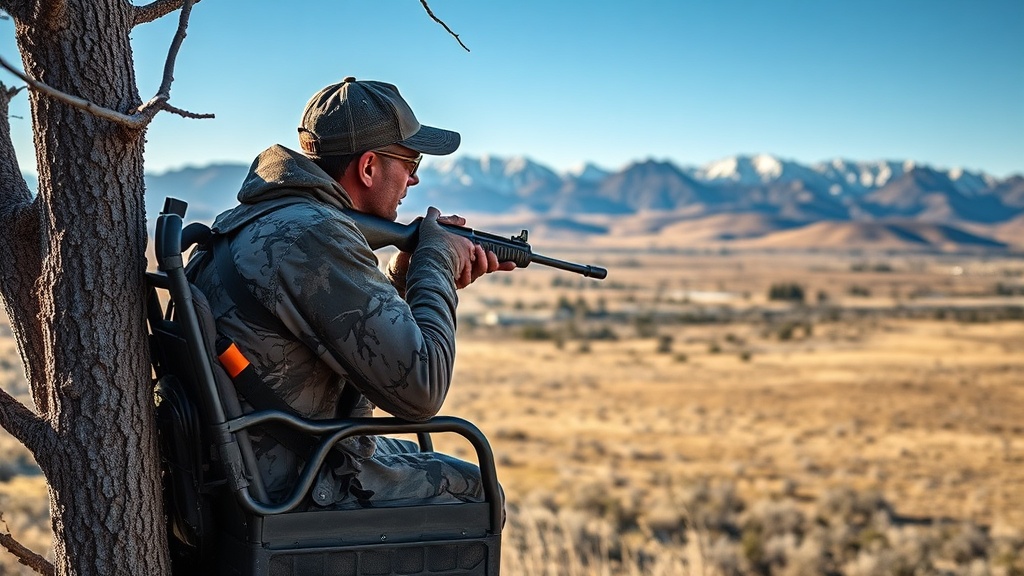 In the spring, begin by scouting for roost trees. Merriam’s turkeys roost in tall ponderosa pines and cottonwoods, often along creek drainages or on ridgelines. Listen for gobbling at dawn from a high vantage point to pinpoint birds, then move into position before first light. Set up on the edge of an opening, meadow, or logging road where a gobbler can strut and display. Decoys are effective in the open terrain, giving approaching toms a visual target.
Wyoming’s turkeys cover ground. If a gobbler responds to calling but does not commit, be willing to reposition and try again from a different angle. The open pine parks and rolling hills allow for more movement than the tight timber of eastern states, and aggressive hunting – moving to stay close to a bird – can pay off.
In the fall, scout for flocks working agricultural fields, creek bottoms, and pine ridges. Fall turkeys in Wyoming often travel in large groups and follow predictable routes between roosting and feeding areas. Setting up along a travel corridor during early morning can produce results without calling. If you locate a flock, the scatter-and-call approach works, though it requires patience as birds regroup.
Wind is a constant factor in Wyoming. It can mask your movement but also makes it harder to hear gobbling. Plan your setups with wind direction in mind, and be prepared for conditions that can change quickly.
Gear Considerations
Wyoming’s high elevation, variable temperatures, and persistent wind demand preparation. Spring mornings can bring frost and temperatures in the teens or twenties, with wind chills that feel much colder. Afternoons can warm significantly. Fall hunts span a wide range of conditions from mild September to frigid January.
Key gear for Wyoming turkey hunting includes:
- A 12-gauge shotgun with a tight turkey choke and premium turkey loads for reliable patterns at moderate range
- Full camouflage clothing in patterns that match the open pine and sage terrain of Wyoming
- Windproof outer layers and warm base layers for cold, windy spring mornings
- A turkey vest with a built-in seat cushion for long sits on rocky ground
- A full selection of calls, including box, slate, and diaphragm calls
- Quality decoys that are visible in the wide-open terrain
For detailed gear recommendations, visit the gear hub and the game calls guide.
Plan Your Hunt
Wyoming turkey hunting offers a western experience with light pressure and scenic settings. Success hinges on targeting the right areas, understanding Merriam’s habits, and being prepared for the state’s demanding weather. These resources will help you plan:
- Turkey Hunting Guide – biology, behavior, and general strategies
- Wyoming Location Hub – overview of hunting in the Cowboy State
- Scouting Basics – how to read sign and pattern game
- First-Time Hunter Checklist – everything you need before your first hunt
Explore Related Topics:
Notice an update we should make?
We strive for accuracy. Contact us here if you see incorrect or outdated info on this page.