Wisconsin is home to a thriving Eastern wild turkey population that has expanded across nearly every corner of the state since reintroduction efforts began in the 1970s. Adult toms typically weigh 11–24 lbs (toms), 5–12 lbs (hens) and now inhabit suitable habitat statewide. Today, turkey hunting is one of the most popular spring hunting pursuits in Wisconsin, drawing hundreds of thousands of applications for the coveted spring tags. The Wisconsin Department of Natural Resources (WDNR) manages turkeys through a zone-based permit system that distributes harvest opportunity across the state’s landscape of northern forests, central farmland, river bottoms, and the rolling hills of the Driftless Area.
| Season Type | Opens | Closes | Notes |
|---|---|---|---|
| Spring | April 16, 2026 | May 27, 2026 | Spring turkey season with six one-week time periods. Bearded turkeys only. Shotgun and archery. |
| Spring Youth | April 11, 2026 | April 12, 2026 | Youth spring turkey hunt. Hunters 10-15 with licensed adult mentor. |
| Fall | October 15, 2025 | December 31, 2025 | Fall turkey season. Either sex. Designated zones only. |
Hunters based in Madison, Milwaukee, or Green Bay have access to quality turkey habitat within short driving distances. The southwestern and western portions of the state, particularly the Driftless Area along the Mississippi River, are widely regarded as the best turkey country in Wisconsin, producing high gobbling activity and consistent harvest success. However, birds now occupy suitable habitat statewide, including the northern forests where populations continue to grow.
The Eastern subspecies is the only wild turkey in Wisconsin. Turkey populations fluctuate with winter severity and nesting success, so it is important to check with the WDNR for the most current population assessments and season structures.
Season Overview
Wisconsin’s spring turkey season is structured around multiple one-week periods, typically running from mid-April through late May. The season is divided into several consecutive periods, and hunters select a preferred period during the application process. A youth turkey hunt is held before the regular season begins, usually in mid-April. Spring hunting hours typically run from half an hour before sunrise to noon during the earlier periods, with some later periods extending to all-day hunting.
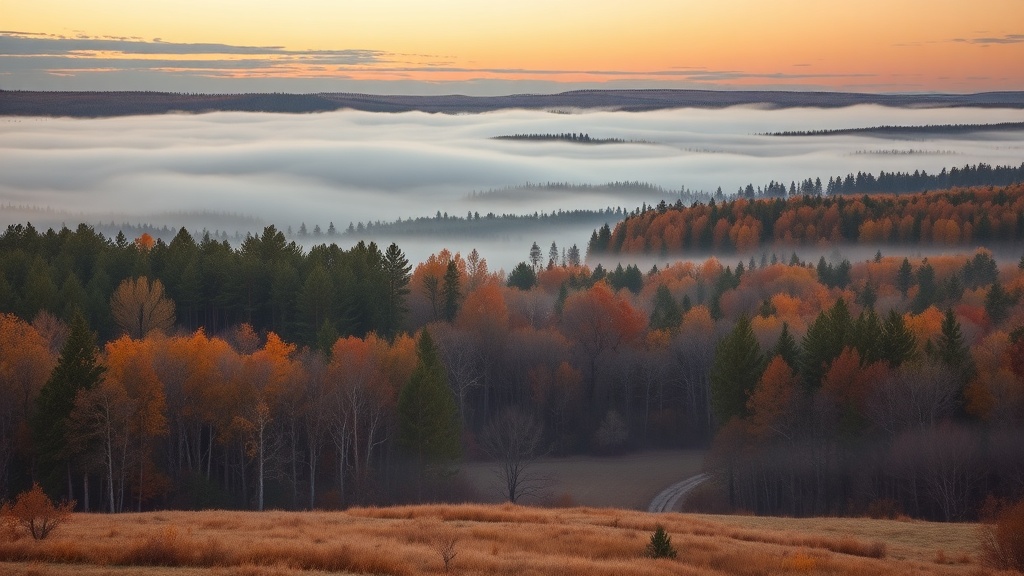 Fall turkey hunting in Wisconsin generally runs from mid-September through late November or early December, depending on the zone. Fall zones cover much of the state, and tags are more widely available than spring permits. Both archery and firearms methods are legal during the fall season in most zones.
For the current season calendar and zone map, check the Wisconsin hunting seasons page.
Licensing and Tags
Wisconsin’s spring turkey permits are allocated through a preference-based drawing system. Hunters apply for a specific turkey management zone and time period, and permits are awarded based on preference points accumulated from previous unsuccessful applications. Popular zones and early time periods can be highly competitive, while later periods and northern zones typically have better draw odds. Leftover permits may be sold over the counter after the initial draw. Residents can expect to pay for a resident hunting license, while nonresidents should budget for the higher nonresident fee.
Fall turkey permits have generally been easier to obtain, with over-the-counter availability in many zones. Both residents and nonresidents can apply for spring and fall permits, with nonresidents paying higher fees.
A valid hunting license is required in addition to the turkey permit. Youth hunters may be eligible for special reduced-price permits. All first-time turkey hunters should complete a hunter education course.
For permit application procedures, timelines, and purchasing, see the Wisconsin hunting license guide.
Regulations Highlights
During the spring season, only bearded turkeys are legal, and hunters are limited to one bird per permit. Legal weapons include shotguns, archery equipment, and crossbows. Rifles are not allowed during the spring turkey season. Shot size regulations apply, and hunters should confirm what loads are legal for their zone.
 <strong>Season limit:</strong> 2
Fall turkey regulations allow either-sex harvest in most zones. Legal methods during the fall may include shotguns, archery, crossbows, and in some zones, certain firearms that are not permitted in spring.
<strong>Season limit:</strong> 2
Fall turkey regulations allow either-sex harvest in most zones. Legal methods during the fall may include shotguns, archery, crossbows, and in some zones, certain firearms that are not permitted in spring.
Electronic calling devices are not legal during the spring season. Baiting for turkeys is prohibited in zones where CWD-related deer baiting bans are in effect. Hunters should check their specific zone for any baiting restrictions.
All harvested turkeys must be registered through the WDNR’s GameReg system within the required timeframe. Tagging requirements apply immediately upon harvest. Turkey hunting hours, legal shooting zones, and other unit-specific rules should be verified before heading afield.
Review the full regulations on the Wisconsin hunting regulations page.
Where to Hunt
Wisconsin’s extensive public land system offers excellent turkey hunting access. Some top areas include:
Kickapoo Valley Reserve – Located in the heart of the Driftless Area, this 8,600-acre reserve features steep wooded ridges, lush valleys, and prime turkey habitat. The area is known for high gobbling activity during the spring season.
Lower Wisconsin State Riverway – The river corridor and surrounding bluffs between Sauk City and Prairie du Chien run through top-tier turkey country. Public access points along the river provide walk-in hunting in oak-hickory forests and river bottoms.
Black River State Forest – In central Wisconsin, this forest offers a mix of pine, oak, and hardwood habitat that supports a healthy turkey population. Logging roads and trails provide walk-in access.
Chequamegon-Nicolet National Forest – While turkey densities in northern Wisconsin are lower than in the south, the national forest offers large blocks of public land with growing turkey populations. Hunting pressure is very light in most areas.
Yellowstone Wildlife Area – Southwest of Madison in Lafayette County, this property sits in prime Driftless Area habitat. The combination of agricultural fields, hardwood ridges, and grasslands makes it a consistent producer for spring gobblers.
For more public land access information, see the Wisconsin land access guide.
Tactics and Strategies
Spring turkey hunting in Wisconsin is a calling game. The classic approach is to locate roosted birds at dawn, set up within calling distance, and work them with a series of yelps, clucks, and cuts as they fly down. In the Driftless Area, the terrain of steep ridges and narrow valleys creates natural funnels and forces turkeys along predictable travel routes. Setting up on benches or at the heads of draws where birds travel between roost ridges and feeding areas in the valleys below is a highly effective tactic.
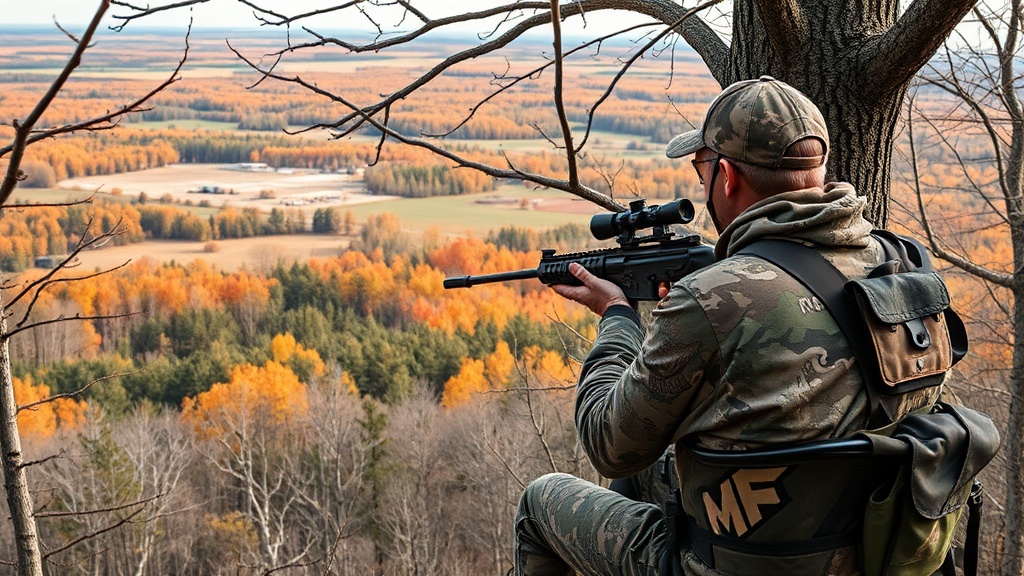 In the agricultural areas of central and southern Wisconsin, turkeys often roost in timber and move to open crop fields to feed and strut during the morning. Setting up along field edges with decoys is productive when birds are working open ground. A spread of one or two hen decoys with a jake or strutting tom decoy can draw an aggressive gobbler across a field.
When birds go quiet or are henned up, patience and subtle calling work better than aggressive tactics. Soft clucks and purrs, long pauses, and repositioning to cut off a gobbler’s travel route are all effective when birds are not responding to loud calling. In the northern forests, locator calls like owl hoots or crow calls can help pinpoint birds in the bigger timber before committing to a setup.
Fall turkey hunting in Wisconsin often involves scouting feeding patterns and setting up along travel routes between roost sites and agricultural fields, oak ridges, or other food sources. Scattering a flock and calling birds back is a traditional and effective fall method.
Gear Considerations
Wisconsin spring turkey hunting takes place during a time of year when weather can range from frost and snow in mid-April to warm, buggy conditions in late May. Dressing in layers with a base layer that wicks moisture, an insulating mid-layer, and a quiet outer layer in full camouflage is the best approach. Waterproof boots or knee-high rubber boots are useful for crossing wet fields and creek bottoms.
A 12-gauge or 20-gauge shotgun with a tight turkey choke and modern tungsten-composite loads is the standard firearm setup. Patterning your shotgun at the range with your chosen choke and load combination before the season is essential for knowing your effective range. A quality red-dot or low-power scope speeds up target acquisition.
A turkey vest with a built-in cushioned seat is one of the most practical pieces of gear for the long sits that spring turkey hunting demands. Carry at least two or three different call types, including a diaphragm, slate, and box call, to vary your sound. Decoys, a rangefinder or marked yardage stakes, and a headlamp for early-morning walks complete the setup.
For more gear recommendations, visit the gear reviews section.
Plan Your Hunt
Wisconsin’s turkey hunting tradition is strong and growing, with excellent opportunity across the state. Get started with these planning resources:
- Turkey Hunting Guide – Turkey biology, behavior, and calling techniques
- Wisconsin Location Hub – Hunting opportunities across the state
- Scouting Basics – Finding roost trees and travel corridors
- First-Time Hunter Checklist – Essential preparation steps
Explore Related Topics:
Notice an update we should make?
We strive for accuracy. Contact us here if you see incorrect or outdated info on this page.