Virginia is an excellent spring gobbler state, with healthy populations of Eastern wild turkeys spread across nearly every county. Adult toms typically weigh 11–24 lbs (toms), 5–12 lbs (hens) and are found from the Blue Ridge Mountains to the Tidewater Coastal Plain. The state’s varied terrain, from the ridges and hollows of the Blue Ridge Mountains and Shenandoah Valley through the rolling Piedmont to the flat Tidewater Coastal Plain, creates diverse hunting environments that challenge and reward turkey hunters. Virginia has a long tradition of spring gobbler hunting, and the state’s public land system, anchored by expansive national forests in the western mountains, provides some of the best public turkey hunting on the East Coast.
| Season Type | Opens | Closes | Notes |
|---|---|---|---|
| Spring | April 12, 2026 | May 17, 2026 | Spring gobbler season. Bearded turkeys only. Shotgun and archery. |
| Fall | October 4, 2025 | November 8, 2025 | Fall turkey season. Either sex. Varies by county; closed in some counties. |
| Youth Spring | April 5, 2026 | April 6, 2026 | Youth spring turkey weekend. Hunters under 16 with licensed adult mentor. |
The Virginia Department of Wildlife Resources (VDWR) manages the state’s turkey population through spring and fall seasons, harvest reporting requirements, and ongoing research into turkey population trends. Spring gobbler hunting is the primary season and draws strong participation, particularly in the western mountain counties where vast tracts of national forest land are open to public hunting. Virginia gobblers earn a reputation for being wary and challenging, making a successfully called-in longbeard a genuine accomplishment.
Always verify current season dates, bag limits, and legal requirements through the official VDWR regulations before heading afield. Rules can change from year to year and may vary by county.
Season Overview
Virginia’s spring gobbler season is the premier turkey hunting opportunity and typically runs from mid-April through late May. A youth turkey hunting weekend usually precedes the regular spring opener, giving younger hunters early access. The spring season may be structured with a bearded-bird-only rule and specific daily hunting hour restrictions that differ between the early and late portions of the season.
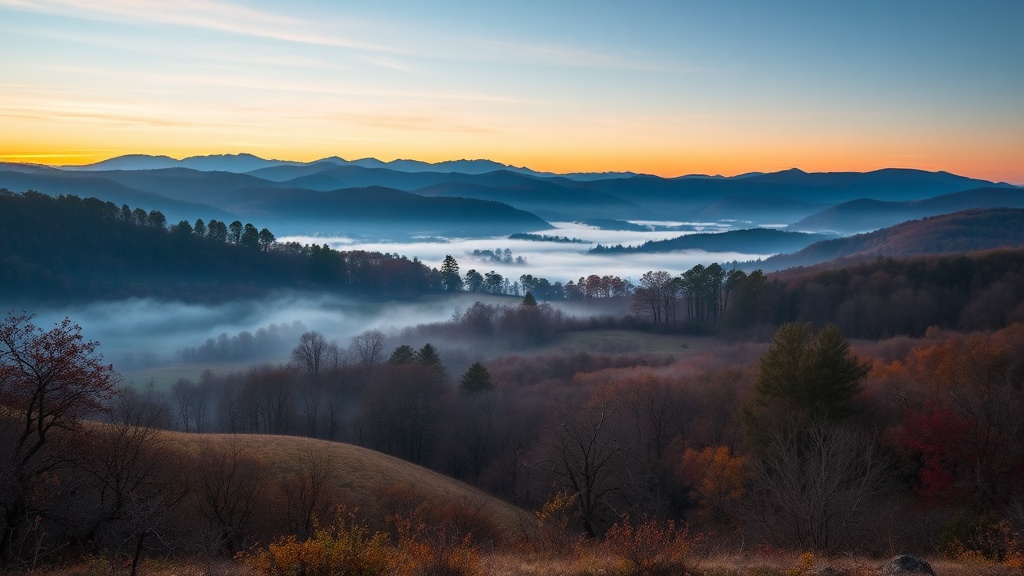 Virginia also offers a fall turkey season that runs concurrently with portions of the fall archery and firearms deer seasons. The fall season allows either-sex harvest, including hens, in most counties. Fall hunting methods may include both firearms and archery, and the fall season is popular in the western mountain counties where turkeys are abundant.
For full season details, visit the Virginia hunting seasons page.
Licensing and Tags
To hunt turkey in Virginia, you need a valid Virginia hunting license and a turkey license or stamp. Residents purchase a resident hunting license plus a turkey license. Nonresidents need a nonresident hunting license plus a nonresident turkey license. Some license packages bundle turkey privileges with the base hunting license. Residents can expect to pay $23.00 for a resident hunting license, while nonresidents should budget for the higher $110.00 nonresident fee.
Virginia offers a National Forest Permit that may be required for hunting on certain national forest lands. Youth and apprentice licenses are available for younger and beginning hunters. Additional fall turkey tags may be available in some counties.
For a complete breakdown of license types and how to purchase them, see the Virginia hunting license guide.
Regulations Highlights
Virginia turkey hunting regulations vary by season and in some cases by county. Key rules to be aware of include:
 <strong>Daily limit:</strong> 1 | <strong>Season limit:</strong> 3
- Bag limits: The spring season typically allows multiple bearded turkeys, with a daily limit of one. The fall season has a separate bag limit, which may vary by county.
- Legal birds: During the spring season, only bearded turkeys are legal. During the fall season, either-sex harvest is permitted in most counties.
- Legal weapons: Shotguns, archery equipment (including crossbows), and muzzleloading shotguns are legal for turkey hunting. Rifles are not legal during the spring season.
- Hunting hours: Spring turkey hunting hours are restricted, typically beginning at one-half hour before sunrise and ending at noon during the early portion of the season, with extended afternoon hunting available later in the season.
- Electronic game check: All harvested turkeys must be reported through Virginia’s electronic game check system by midnight on the day of harvest.
- Sunday hunting: Turkey hunting on Sundays is permitted on private land and some public lands, but restrictions may apply. Confirm rules for your specific area.
Review the full set of rules on the Virginia hunting regulations page.
Where to Hunt
Virginia’s national forests and WMAs provide extensive public land turkey hunting. Key areas include:
- George Washington and Jefferson National Forests – These interconnected national forests span the western mountains and provide over 1.7 million acres of public turkey hunting land. The mix of hardwood ridges, mountain coves, and creek bottoms throughout these forests supports strong Eastern turkey populations.
- Goshen Wildlife Management Area – Located in the Alleghany Highlands, Goshen WMA offers quality spring gobbler hunting in mature hardwood timber with open understory and mountain terrain features that funnel turkey movement.
- Clinch Mountain WMA – In southwestern Virginia, this large WMA provides rugged mountain turkey hunting with good gobbler densities in oak-hickory forest.
- Hardware River WMA – In the Piedmont near Charlottesville, Hardware River WMA offers turkey hunting in a rolling landscape of mixed hardwood and pine forest with agricultural edges.
- Big Woods State Forest – In the Piedmont, this state forest provides public hunting access in a mix of mature timber and managed pine stands that support resident turkey populations.
Public land hunting in Virginia is generally open access on national forest land. Some WMA hunts may require special permits. Learn more about access options on the Virginia hunting land page.
Tactics and Strategies
Virginia spring gobbler hunting is defined by the state’s mountainous western terrain, though the Piedmont and Coastal Plain offer distinct experiences as well. In the Blue Ridge Mountains and Shenandoah Valley, turkeys roost on ridgetops and upper slopes, often in tall white oaks or tulip poplars along points or in sheltered coves. The classic tactic is to locate a gobbling bird from a ridge road or vantage point the evening before the hunt, then slip in close before dawn and set up below the roost.
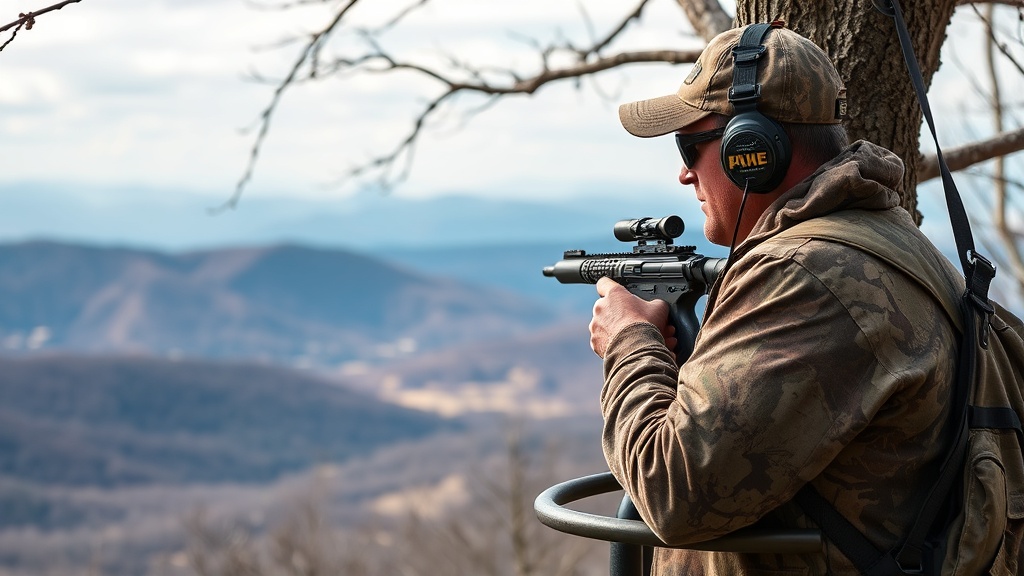 Mountain turkeys in Virginia tend to be henned up early in the spring, which can make gobblers reluctant to leave their hens and come to a call. Patience and subtle calling, using soft yelps and clucks rather than aggressive cutting, often works better than loud, aggressive sequences. As the season progresses and hens begin nesting, gobblers become more responsive to calling, and the late-season period can produce some of the best action.
In the Piedmont, turkeys use a mix of timber blocks, agricultural fields, and creek bottom corridors. Setting up along field edges where turkeys fly down from roost trees into open areas is a productive tactic. Decoys placed in fields or openings can draw gobblers across open ground.
On the Coastal Plain, turkeys inhabit pine plantations, hardwood drains, and field edges. The flatter terrain means turkeys can see long distances, making full camouflage and concealment critical. Calling and decoying in small openings within the timber is effective.
Scouting for gobbling activity, scratching, dusting sites, and strut marks in the weeks leading up to the season gives you a significant advantage.
Gear Considerations
Virginia’s spring turkey season spans from mid-April through late May, when weather ranges from cool mountain mornings with frost to warm, humid afternoons. Rain is common, especially in the mountains. Dress in layers and carry rain gear.
Key gear for Virginia turkey hunting includes:
- A 12-gauge or 20-gauge shotgun with a tight turkey choke and quality turkey loads for consistent patterns
- Full camouflage clothing including gloves and a face mask or head net, essential for hiding from sharp-eyed gobblers in open hardwood timber
- A selection of turkey calls, including a diaphragm call, a slate or glass friction call, and a box call for versatility
- Decoys for field-edge and open-terrain setups, particularly in the Piedmont and Coastal Plain
- A comfortable turkey vest with a built-in seat cushion and gear pockets for long sits against trees
- Tick repellent and permethrin-treated clothing, as ticks are highly active in Virginia’s woods during spring
- A lightweight daypack for carrying water, calls, and extra layers on mountain hunts that involve hiking
For detailed gear recommendations, visit the gear hub.
Plan Your Hunt
Virginia’s spring gobbler season is a highlight of the hunting year, and the state’s extensive public land makes it accessible to anyone willing to put in the scouting effort. Locate gobbling birds before the opener, have multiple setups planned, and be prepared to adapt to changing bird behavior as the season progresses. These resources will help you put a hunt together:
- Turkey Hunting Guide – biology, behavior, and general strategies
- Virginia Location Hub – overview of hunting in the Old Dominion
- Scouting Basics – how to read sign and pattern game
- First-Time Hunter Checklist – everything you need before your first hunt
Explore Related Topics:
Notice an update we should make?
We strive for accuracy. Contact us here if you see incorrect or outdated info on this page.