Texas is home to one of the largest wild turkey populations in the country, with adult toms typically weighing 11–24 lbs (toms), 5–12 lbs (hens). Rio Grande turkeys thrive across the central and western portions of the state, and Eastern turkeys hold steady in the Piney Woods of East Texas. The Texas Parks and Wildlife Department (TPWD) manages turkey hunting across a broad range of habitats, from the live oak and mesquite brush of the Hill Country to the bottomland hardwoods of the eastern river bottoms and the open grasslands of the Rolling Plains.
| Season Type | Opens | Closes | Notes |
|---|---|---|---|
| Spring | April 4, 2026 | May 14, 2026 | Rio Grande and Eastern turkey. Gobblers only. Dates vary by county. |
| Fall | November 1, 2025 | January 4, 2026 | Runs concurrent with general deer season in most counties. |
Rio Grande turkeys are the dominant subspecies and the primary target for most Texas turkey hunters. They are adapted to the semi-arid landscapes of central and western Texas, often found along creek corridors, cedar breaks, and ranch country where roosting trees line waterways. Eastern turkeys, found east of Interstate 45, favor the dense forest and hardwood bottoms of the Piney Woods and Post Oak Belt.
Turkey hunting in Texas is a rewarding pursuit that combines calling skills, patience, and knowledge of the landscape. Always check the current TPWD regulations before your hunt, as rules can vary by county and subspecies.
Season Overview
Texas offers both spring and fall turkey seasons. The spring season is the more popular of the two, typically opening in late March or early April in the South Zone and slightly later in the North Zone. Spring seasons generally run through May, giving hunters several weeks to pursue gobblers during the breeding season when birds are most vocal and responsive to calling.
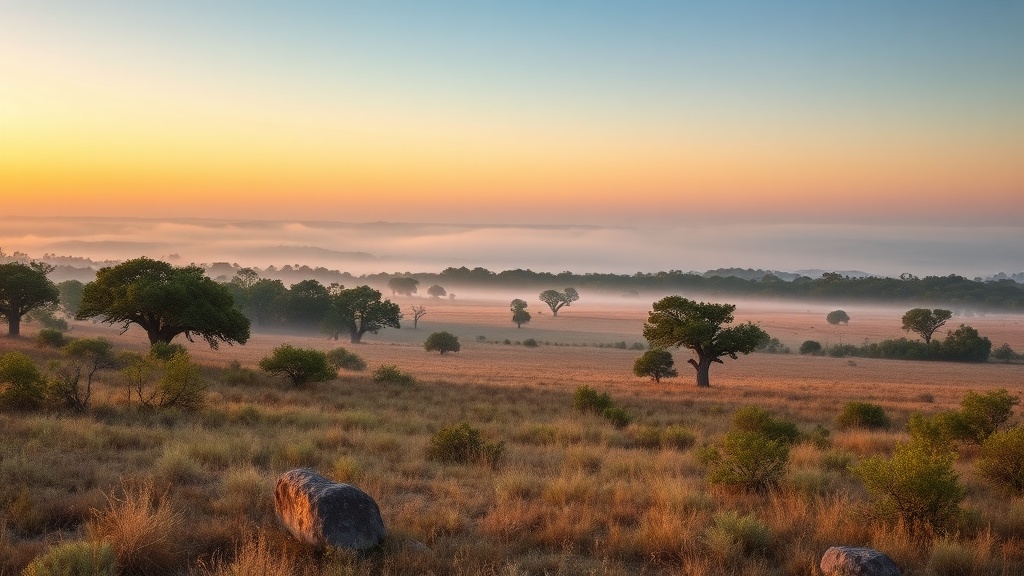 Fall turkey season usually coincides with the general deer season, running from early November through January. Fall hunting allows either-sex harvest in most counties, while spring is restricted to gobblers (bearded birds) only.
A youth-only spring turkey weekend provides younger hunters an early opportunity before the general spring opener.
For current season dates and zone boundaries, visit the Texas hunting seasons page.
Licensing and Tags
Turkey hunting in Texas requires a valid hunting license with an upland game bird endorsement. The endorsement is required for all turkey hunters and is available as an add-on to the base hunting license. Residents and nonresidents each have their own license options. Residents can expect to pay $25.00 for a resident hunting license, while nonresidents should budget for the higher $132.00 nonresident fee.
Texas does not use a draw or lottery system for turkey tags. Licenses and endorsements are available over the counter, making Texas one of the more accessible states for turkey hunting. There are no separate turkey tags beyond the endorsement.
For details on license types and how to purchase them, see the Texas hunting license guide.
Regulations Highlights
Key turkey hunting regulations in Texas include:
 <strong>Season limit:</strong> 4
- Bag limits: The spring bag limit is typically four gobblers (bearded turkeys) statewide. The fall bag limit is generally four turkeys of either sex, though this can vary by county.
- Legal methods: Shotguns, rifles, handguns, bows, and crossbows are all legal for turkey hunting in Texas. Unlike many states, Texas allows the use of rifles for turkeys.
- Hunting hours: Turkeys may be hunted from one half hour before sunrise to one half hour after sunset.
- Eastern turkey restrictions: The Eastern turkey is more protected, with specific counties designated for Eastern turkey hunting and more restrictive bag limits in those areas.
- Reporting: Harvest reporting requirements vary. Check current TPWD guidelines for your hunting area.
- Decoys and calls: Legal in both spring and fall seasons.
Review the full regulations on the Texas hunting regulations page.
Where to Hunt
While much of Texas turkey hunting occurs on private ranches, the state offers quality public land opportunities through its public hunting program. Top areas include:
- Kerr Wildlife Management Area – In the heart of the Hill Country, Kerr WMA holds a strong population of Rio Grande turkeys. The mix of live oak, cedar, and open meadows creates excellent calling setups.
- Gene Howe Wildlife Management Area – Located in the eastern Texas Panhandle, this area offers Rio Grande turkey hunting along Canadian River breaks and rolling grasslands.
- Sam Houston National Forest – One of the better public land areas for Eastern turkey hunting, located in the Piney Woods. Hardwood bottoms and pine ridges provide good habitat.
- Caddo National Grasslands – In northeast Texas, this area supports a mix of Eastern and Rio Grande turkeys in a landscape of post oak woods and open prairies.
- Mason Mountain Wildlife Management Area – A Hill Country WMA with rugged terrain and healthy Rio Grande turkey numbers. Hunts may require a drawing.
Public land turkey hunts often require an Annual Public Hunting Permit and may be subject to limited-entry drawings. Plan well ahead of the season. For more on access, visit the Texas hunting land page.
Tactics and Strategies
Turkey hunting tactics in Texas vary by subspecies and terrain.
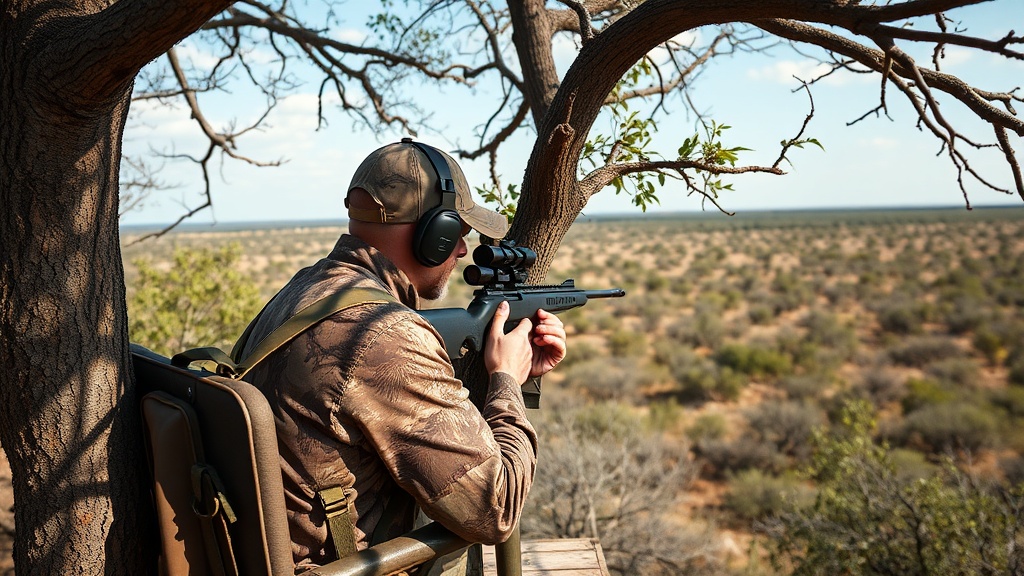 Rio Grande turkeys in central and western Texas:
- Roost hunting at dawn. Rio Grande turkeys roost in large cottonwoods, live oaks, or pecan trees along creek bottoms and river corridors. Locating roost trees the evening before and setting up within 100 to 200 yards before dawn is a proven approach. Listen for gobbling on the roost, then call softly as birds prepare to fly down.
- Work open country carefully. Rio Grande turkeys often travel across open terrain between roosting and feeding areas. Set up with decoys in fields or along fence lines where birds cross, and use yelps and clucks to draw gobblers to your position.
- Use the terrain. The Hill Country’s rolling topography creates natural calling setups. Position yourself below a ridge or along a creek bank where a gobbler cannot see the source of the call until he is in range.
Eastern turkeys in East Texas:
- Hunt hardwood bottoms. Eastern turkeys in the Piney Woods favor hardwood creek bottoms and mixed pine-hardwood ridges. Focus on areas with open understory where birds can move and feed.
- Call conservatively. Eastern turkeys tend to be warier than Rio Grandes. Use soft yelps, purrs, and clucks rather than aggressive cutting.
In both regions, patience is the most important asset. Set up in a comfortable position, stay still, and let the bird come to you.
Gear Considerations
Texas turkey hunting spans warm to hot conditions in the spring and cooler weather in the fall. Spring hunts, especially in South Texas, can see daytime temperatures above 80 degrees. Insect activity is also high during spring.
Essential gear includes:
- A 12- or 20-gauge shotgun with a full or extra-full turkey choke, loaded with quality turkey loads in shot sizes #4, #5, or #6
- Full camouflage from head to toe, including gloves and a face mask or face paint, as turkeys have exceptional eyesight
- A comfortable, padded seat cushion or low-profile turkey chair for extended sits
- A selection of turkey calls: box call, slate call, and diaphragm mouth calls for hands-free calling
- Decoys, including a hen decoy and optionally a jake or strutting tom decoy for spring setups
- Insect repellent and lightweight, breathable clothing for warm spring hunts
- A quality pair of hunting boots suited to brushy terrain
For detailed gear recommendations, visit the gear hub and the game calls review.
Plan Your Hunt
Texas turkey hunting offers generous seasons and bag limits with accessible licensing. Use these resources to prepare:
- Turkey Hunting Guide – subspecies, calling strategies, and general tactics
- Texas Location Hub – hunting opportunities across the Lone Star State
- Scouting Basics – how to locate roost sites and feeding areas
- First-Time Hunter Checklist – essentials for your first hunt
Explore Related Topics:
Notice an update we should make?
We strive for accuracy. Contact us here if you see incorrect or outdated info on this page.