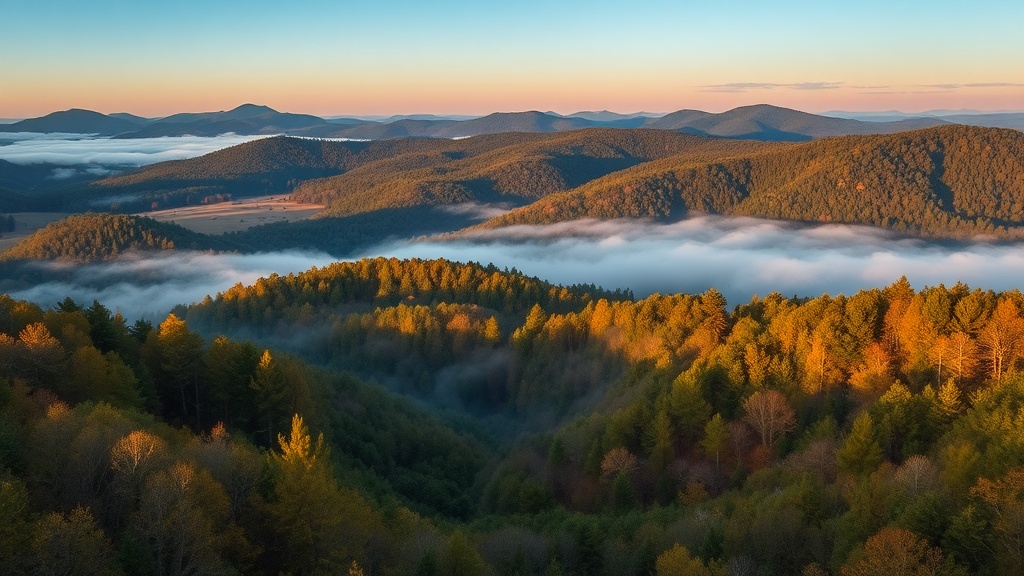
Tennessee is a top-tier turkey hunting state with a healthy population of Eastern wild turkeys found across all 95 counties. Adult toms typically weigh 11–24 lbs (toms), 5–12 lbs (hens) and inhabit terrain ranging from mountain hollows to flat agricultural fields. The state’s varied landscape – from the Great Smoky Mountains and Cumberland Plateau in the east to the fertile Tennessee River valley and West Tennessee bottomlands – supports turkeys in settings that range from steep mountain hollows to flat agricultural fields. This diversity of terrain gives hunters the chance to experience very different types of turkey hunting within a single state.
| Season Type | Opens | Closes | Notes |
|---|---|---|---|
| Spring | April 5, 2026 | May 16, 2026 | Gobblers only. Statewide spring turkey season. Shooting hours begin at legal sunrise. |
| Youth | March 28, 2026 | March 29, 2026 | Youth spring turkey weekend. Hunters 16 and under. |
| Fall | October 11, 2025 | November 7, 2025 | Fall turkey season. Either sex. Select counties only. |
The Tennessee Wildlife Resources Agency (TWRA) has built the state’s wild turkey population through decades of trap-and-transfer programs and habitat management. Tennessee now offers one of the strongest spring turkey hunting opportunities in the eastern United States, with gobblers found on both public and private land from the Mississippi River bottoms west of Memphis to the mountain ridges near Knoxville.
Before planning your hunt, always consult the TWRA for current regulations. Season dates, bag limits, and area-specific rules can be adjusted from year to year.
Season Overview
Tennessee’s primary turkey hunting season is the spring gobbler season, which typically runs from mid-April through mid-May. A youth-only hunt is usually held the weekend before the general opener, giving young hunters a chance to pursue gobblers with reduced pressure.
 Some years Tennessee also offers a fall turkey season in select counties, usually coinciding with part of the deer season. Fall seasons tend to have more limited bag limits and different regulations.
Spring timing in Tennessee means gobblers are well into breeding behavior by the season opener. Peak gobbling activity generally occurs from mid-April through early May, though timing varies with weather and elevation. Mountain birds in East Tennessee often run a week or two behind the lowland birds in the west and middle portions of the state.
For the latest season dates, visit the Tennessee hunting season page.
Licensing and Tags
All turkey hunters in Tennessee need a valid hunting license and a turkey permit. Nonresidents purchase a separate nonresident license and turkey permit. Youth hunters may be eligible for discounted or free licenses depending on age. Residents can expect to pay $34.00 for a resident hunting license, while nonresidents should budget for the higher $230.00 nonresident fee.
Tennessee uses a daily and seasonal bag limit system rather than individual tags. Hunters must report their harvest through the TWRA’s check-in system within the required timeframe.
Quota hunts on specific WMAs require a separate application, and successful applicants receive a permit for designated hunt dates. For full licensing details, see the Tennessee hunting license guide.
Regulations Highlights
Tennessee’s turkey regulations include the following key rules:
 <strong>Daily limit:</strong> 1 | <strong>Season limit:</strong> 4
- Legal birds – Only male turkeys (gobblers) or turkeys with visible beards may be taken during the spring season.
- Shooting hours – Hunting is legal from thirty minutes before sunrise until noon during the early portion of the season, with afternoon hunting opening later in the season in many areas.
- Legal weapons – Shotguns (10-gauge or smaller) and archery equipment. Rifles are not legal for turkey hunting.
- Electronic calls are prohibited during the spring turkey season.
- Decoys are permitted.
- Blaze orange is not required during spring turkey season but is recommended when walking to and from your setup.
- Dogs may not be used during the spring season.
For the complete list of rules, visit the Tennessee hunting regulations page.
Where to Hunt
Tennessee’s public land system provides excellent access for turkey hunters. Some of the most productive areas include:
- Catoosa WMA – On the Cumberland Plateau, this large WMA features a mix of hardwoods, reclaimed mine land, and openings that support a strong turkey population. The terrain concentrates birds along ridges and old bench areas.
- Chuck Swan State Forest and WMA – Located near Norris Lake in East Tennessee, this area’s hardwood ridges and mature timber host good numbers of mountain gobblers.
- Land Between the Lakes – The expansive recreation area between Kentucky Lake and Lake Barkley offers rolling oak-hickory forests with vocal gobblers and manageable hunting pressure for the size of the area.
- Laurel Hill WMA – In middle Tennessee, this WMA’s mix of forest and open fields creates classic turkey habitat with good strutting areas and accessible setup locations.
- Natchez Trace State Forest – Located in West Tennessee, this state forest provides flat to rolling terrain with mixed hardwoods and pine that hold turkeys in good numbers.
For more public land options, see the Tennessee land access guide.
Tactics and Strategies
Turkey hunting approaches in Tennessee shift with the terrain.
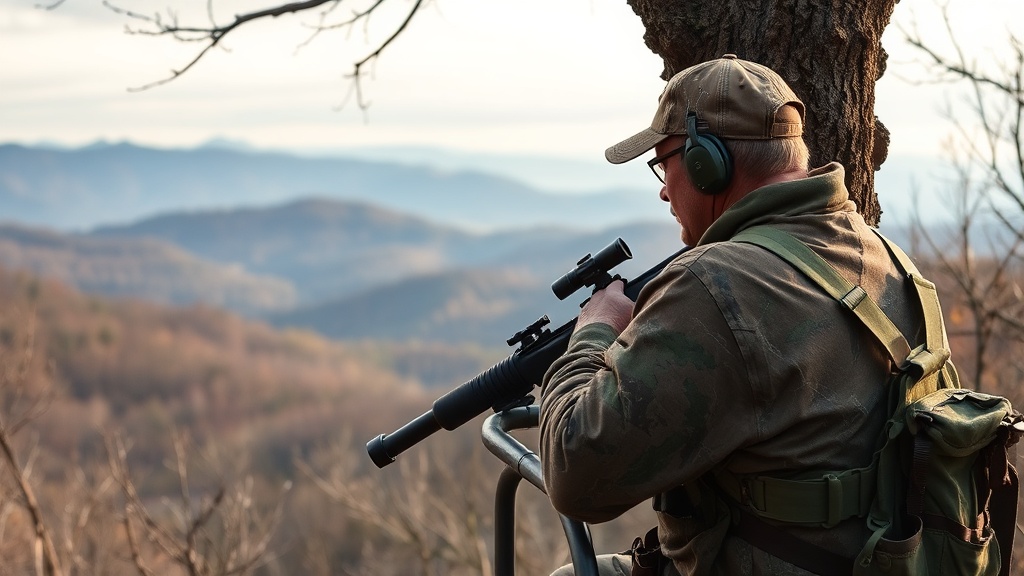 East Tennessee and the Smokies. Mountain turkey hunting is physically demanding. Gobblers roost on steep ridge points and fly down to logging roads, benches, and open areas. Getting on the same elevation as the bird – or slightly above – is critical before the fly-down. Calling on these steep slopes carries well, and a well-placed setup on a bench or old road can bring a gobbler in quickly. Early-season birds may still be with hens, requiring patient, soft calling to pull them away.
Cumberland Plateau. The plateau offers a blend of forest and open areas. Set up along logging road intersections, field edges, and where hardwoods transition to openings. Turkeys travel these edges consistently. Calling from the edge of timber toward open strutting areas is a reliable approach.
Middle Tennessee. Rolling farmland with scattered woodlots creates turkey-rich habitat. Hunt where timber meets crop fields or pastures. Fence rows and creek bottoms serve as travel corridors. Gobblers in these open areas are visible at long distances, so using terrain features and vegetation to stay hidden is essential. Decoys are particularly effective in open fields.
West Tennessee. The bottomland hardwoods and agricultural flats of West Tennessee hold good turkey numbers. Turkeys here use field edges, levees, and hardwood ridges for travel and strutting. Set up on the timber edge overlooking openings and use decoys to draw birds into range.
Gear Considerations
Spring in Tennessee brings mild to warm temperatures, with mornings often starting cool in the mountains and warming quickly in the lowlands. Lightweight camouflage is the standard, with a focus on head-to-toe concealment including a face mask and gloves.
A 12-gauge or 20-gauge shotgun with a tight turkey choke is the weapon of choice. Pattern your gun with the specific turkey loads you plan to use before the season so you know your effective range. Tennessee does not allow rifles for turkey, so shotgun and archery are your options.
Carry a selection of calls. A diaphragm call allows hands-free operation when a bird is approaching. A box call produces loud, raspy yelps that carry across ridges and valleys. A slate call offers the soft, subtle tones needed to coax a hung-up gobbler those last few yards.
A good turkey vest with a fold-down seat keeps you organized and comfortable during long sits against a tree. Lightweight, knee-high hunting boots are ideal for spring conditions. For mountain hunts, choose boots with good ankle support. Browse more gear options in the gear section.
Plan Your Hunt
Tennessee’s strong turkey population, diverse terrain, and rich hunting tradition make it one of the best spring gobbler destinations in the East. Get started with these resources:
- Turkey Hunting Guide – Biology, calling techniques, and core strategies
- Tennessee Location Hub – Hunting opportunities across the state
- Scouting Basics – How to locate gobblers before the season
- First-Time Hunter Checklist – Essential preparation steps
Explore Related Topics:
Notice an update we should make?
We strive for accuracy. Contact us here if you see incorrect or outdated info on this page.