Pennsylvania is one of the top Eastern turkey hunting states in the nation. Adult toms typically weigh 11–24 lbs (toms), 5–12 lbs (hens) and thrive across the state’s Appalachian ridges, hardwood forests, and agricultural valleys. The Pennsylvania Game Commission (PGC) manages a robust wild turkey population that spans the state’s Appalachian ridges, hardwood forests, agricultural valleys, and state game lands. Eastern turkeys thrive in Pennsylvania’s mix of mature oak and beech forests for roosting, open fields and food plots for feeding, and diverse understory for nesting and brood-rearing habitat.
| Season Type | Opens | Closes | Notes |
|---|---|---|---|
| Spring | May 3, 2026 | May 31, 2026 | Spring gobbler season. Bearded turkeys only. Shotgun and archery. One bird per day, season limit 2. |
| Fall | November 1, 2025 | November 14, 2025 | Fall turkey season. Either sex. WMU-specific season lengths. Some WMUs have extended seasons. |
| Youth Spring | April 26, 2026 | April 26, 2026 | Youth spring gobbler day. Junior license holders with licensed adult mentor. |
The state’s turkey hunting tradition is deeply rooted, with both spring and fall seasons attracting large numbers of hunters. Pennsylvania’s spring gobbler season is one of the most anticipated events on the hunting calendar, drawing hunters to the hardwood ridges and mountain hollows where gobblers sound off at first light. The fall season offers a different experience focused on flock hunting and either-sex harvest.
With over 1.5 million acres of state game lands and additional state forest lands open to hunting, Pennsylvania provides excellent public land turkey hunting opportunities. Always verify current PGC regulations before heading out, as season dates, bag limits, and WMU-specific rules may change.
Season Overview
Pennsylvania offers both spring and fall turkey seasons. The spring gobbler season typically opens on the last Saturday in April or the first Saturday in May and runs for several weeks through the end of May or into early June. A youth spring gobbler season provides a one-day opportunity for young hunters the Saturday before the regular spring opener.
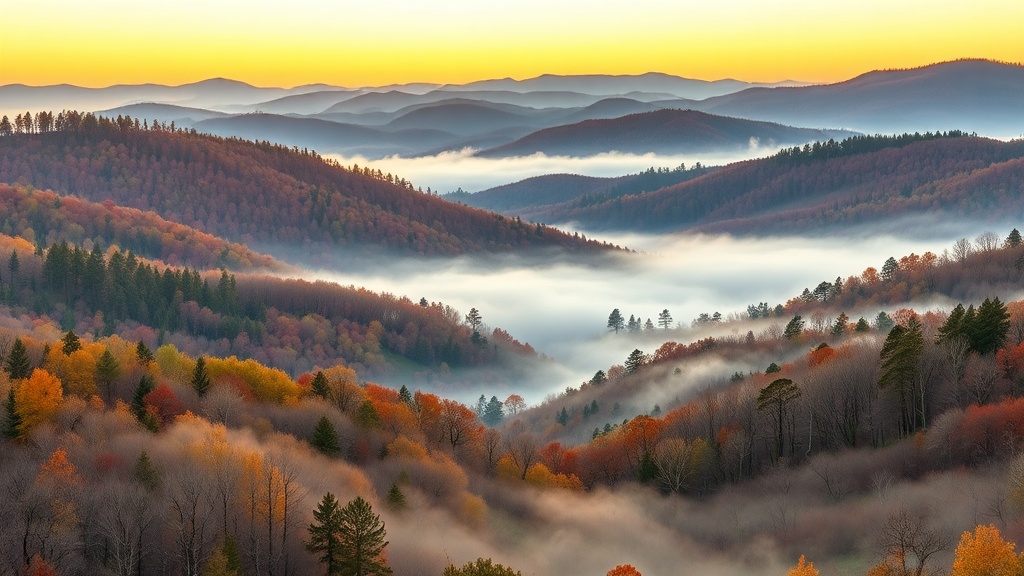 The fall turkey season generally opens in late October or early November, depending on the wildlife management unit (WMU). Fall season length varies by WMU, with some units offering several weeks of either-sex hunting and others having shorter or no fall season. The PGC adjusts fall season length based on population data for each unit.
For current season dates and WMU-specific information, visit the Pennsylvania hunting seasons page.
Licensing and Tags
Turkey hunting in Pennsylvania requires a valid general hunting license. Each general license includes one spring gobbler tag and one fall turkey tag. No additional permits or endorsements are needed beyond the base license for general-area turkey hunting. Residents can expect to pay for a resident hunting license, while nonresidents should budget for the higher nonresident fee.
Nonresident hunters can purchase a nonresident hunting license that includes turkey tags. There is no draw or lottery system for turkey tags in Pennsylvania; they are included with the license purchase.
Mentored youth hunters can participate in turkey seasons under the mentored hunting program, which allows younger hunters to hunt without first completing hunter education, provided they are accompanied by a licensed adult mentor.
For license details, see the Pennsylvania hunting license guide.
Regulations Highlights
Key turkey hunting regulations in Pennsylvania include:
 <strong>Daily limit:</strong> 1 | <strong>Season limit:</strong> 2
- Bag limits: The spring season allows one bearded bird (gobbler). The fall season typically allows one turkey of either sex, though bag limits may vary by WMU.
- Legal weapons: Shotguns (10-, 12-, 16-, or 20-gauge), bows, and crossbows are legal for turkey hunting. Rifles are not legal for turkey in Pennsylvania. Shot size is restricted to #4 lead or smaller, or approved nontoxic equivalents.
- Hunting hours: Spring turkey hunting is legal from one half hour before sunrise to noon during the first two weeks, then extends to one half hour after sunset for the remainder of the season in most years. Fall hours are typically one half hour before sunrise to one half hour after sunset.
- Fluorescent orange: Not required during the spring gobbler season, but required during the fall season when it overlaps with firearms deer season. Check the current regulations for specific requirements.
- Reporting: All harvested turkeys must be tagged immediately and reported through the PGC’s online or phone harvest reporting system.
- Decoys: Legal during the spring season. Some WMAs or special regulation areas may have additional restrictions.
Review the full regulations on the Pennsylvania hunting regulations page.
Where to Hunt
Pennsylvania’s vast state game lands system provides outstanding public land turkey hunting. Top areas include:
- State Game Lands 12 (Bradford and Sullivan Counties) – Over 45,000 acres of northern hardwoods and hemlock drainages in the northern tier. This large block holds good turkey populations and offers extensive ridgeline hunting.
- Bald Eagle State Forest (Centre and Clinton Counties) – Mixed hardwood forests along the ridges of central Pennsylvania provide excellent spring gobbler habitat. The forest’s road network offers good access to remote ridgetops.
- Michaux State Forest (Adams and Franklin Counties) – South-central Pennsylvania ridges with mature oak forests and open understory. Turkeys roost along ridge spines and feed in the hardwood flats and agricultural edges below.
- Sproul State Forest (Clinton County) – Rugged, remote terrain in north-central Pennsylvania with steep ridges and deep valleys. Turkey densities can be lower here, but the lack of competition makes it a quality experience.
- State Game Lands 176 (Centre County) – Near State College, this area combines hardwood ridges with agricultural valley edges, creating ideal turkey habitat with roosting timber adjacent to feeding areas.
State game lands are open to hunting without additional permits beyond the general license. State forest lands are also open to hunting. For more on public land access, visit the Pennsylvania hunting land page.
Tactics and Strategies
Pennsylvania Eastern turkey hunting takes place primarily in hardwood forests and along mountain ridges. The terrain and timber influence how birds move and respond to calls.
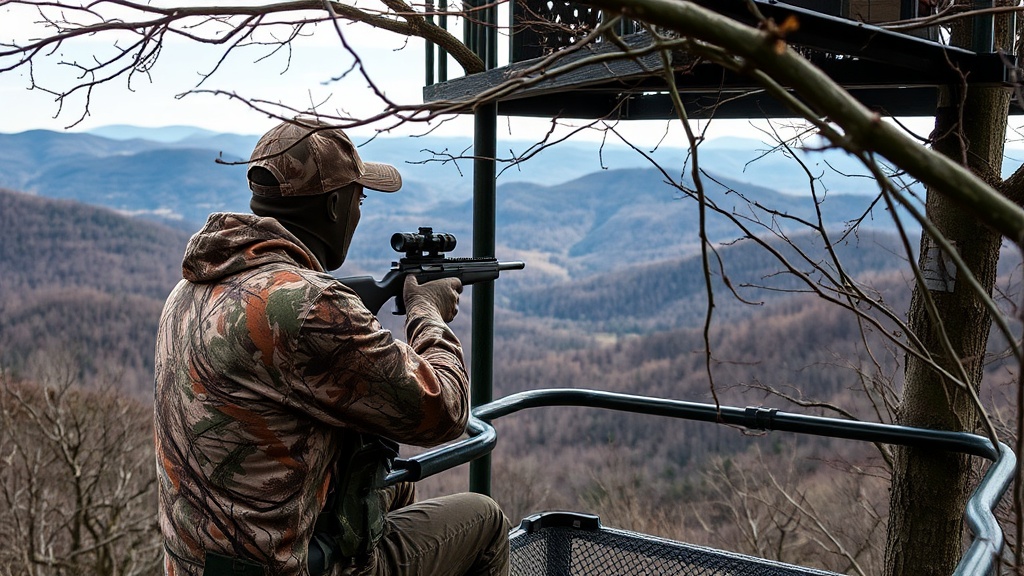
- Roost hunting on ridgelines. Eastern turkeys in Pennsylvania commonly roost in tall oaks and hickories along ridge spines. Arrive early, listen for gobbling at first light, and set up on the side of the ridge where the bird is likely to fly down. Position yourself with a tree at your back and a clear shooting lane in front.
- Call from below the ridge. Turkeys on a roost typically fly down to lower ground. Setting up below the roost on a bench, logging road, or small clearing gives the gobbler a natural place to walk toward your calling.
- Work logging roads and field edges. Turkeys use logging roads, gas well roads, and field edges as travel routes, especially after fly-down. Setting up where a road or field edge intersects with hardwood timber can be effective.
- Scatter and recall in fall. Pennsylvania’s fall turkey season is well suited to the traditional scatter-and-recall method. Locate a flock, rush in to scatter the birds in different directions, then set up near where the flock was and call with assembly yelps and kee-kee runs to draw birds back.
- Use terrain to your advantage. Saddles, benches, and hollow heads funnel turkey movement. Positioning on these terrain features during the spring season puts you in the path of gobblers searching for hens.
Patience and stillness are essential. Eastern turkeys have exceptional eyesight and will pick out the slightest movement at long range.
Gear Considerations
Pennsylvania’s turkey seasons cover a range of weather conditions. Spring hunts in late April and May can bring anything from frost and rain to warm, sunny days. Fall hunts in late October and November require cold-weather preparation.
Essential gear includes:
- A 12- or 20-gauge shotgun with a full or extra-full turkey choke and quality shot loads
- Full camouflage in woodland patterns that match Pennsylvania’s hardwood and mixed forest environment, including gloves and face mask
- Insulated, waterproof hunting boots for cold spring mornings and wet mountain terrain
- Layered clothing that allows you to add or remove layers as temperatures change through the morning
- A turkey vest with a built-in seat cushion for comfortable extended sits against a tree
- A variety of calls: box call for volume and long-range yelps, slate call for soft work, and diaphragm calls for hands-free operation
- Hen decoys and optionally a jake decoy for spring setups in open areas
- Binoculars for scanning field edges and logging roads
For gear recommendations, visit the gear hub and the game calls review.
Plan Your Hunt
Pennsylvania offers a strong tradition of Eastern turkey hunting with excellent public land access. Use these resources to prepare:
- Turkey Hunting Guide – subspecies, calling strategies, and general tactics
- Pennsylvania Location Hub – hunting opportunities in the Keystone State
- Scouting Basics – how to locate roost sites and feeding areas
- First-Time Hunter Checklist – essentials for planning your first hunt
Explore Related Topics:
Notice an update we should make?
We strive for accuracy. Contact us here if you see incorrect or outdated info on this page.