Oregon has become an increasingly popular turkey hunting destination as wild turkey populations have expanded across the state. Adult toms typically weigh 11–24 lbs (toms), 5–12 lbs (hens), and both Rio Grande and Merriam’s subspecies are present. Both Rio Grande and Merriam’s subspecies are present, with Rio Grande birds dominating the lower-elevation river valleys and oak woodlands and Merriam’s occupying the higher-elevation pine forests. Southern Oregon in particular has seen strong population growth, and birds are now established in much of the state’s southern and eastern regions. The Oregon Department of Fish and Wildlife (ODFW) manages turkey hunting through spring and fall seasons with accessible tag availability.
| Season Type | Opens | Closes | Notes |
|---|---|---|---|
| Spring | April 15, 2025 | May 31, 2025 | Gobblers and bearded turkeys only. General season tags available over-the-counter. |
| Fall | September 1, 2025 | November 30, 2025 | Either-sex fall turkey. Dates vary by unit. |
Turkey range in Oregon stretches from the Rogue and Umpqua river valleys in the southwest to the oak and pine woodlands of the Klamath Basin, and into the Blue Mountains and John Day drainage of eastern Oregon. The western slopes of the Cascades and the foothills of southern Oregon hold some of the densest populations. Portland, Bend, and Medford serve as staging areas for hunts across the state, with Medford offering the most direct access to high-density turkey country.
Always verify current season dates, bag limits, and area-specific regulations through the official ODFW resources before planning your hunt. Turkey rules can change from year to year.
Season Overview
Oregon offers both spring and fall turkey seasons. The spring season typically opens in mid-April and runs through May, timed to coincide with peak gobbling activity. The fall season generally runs from late August or September through the end of the calendar year, providing an extended window for turkey hunting alongside other fall game seasons.
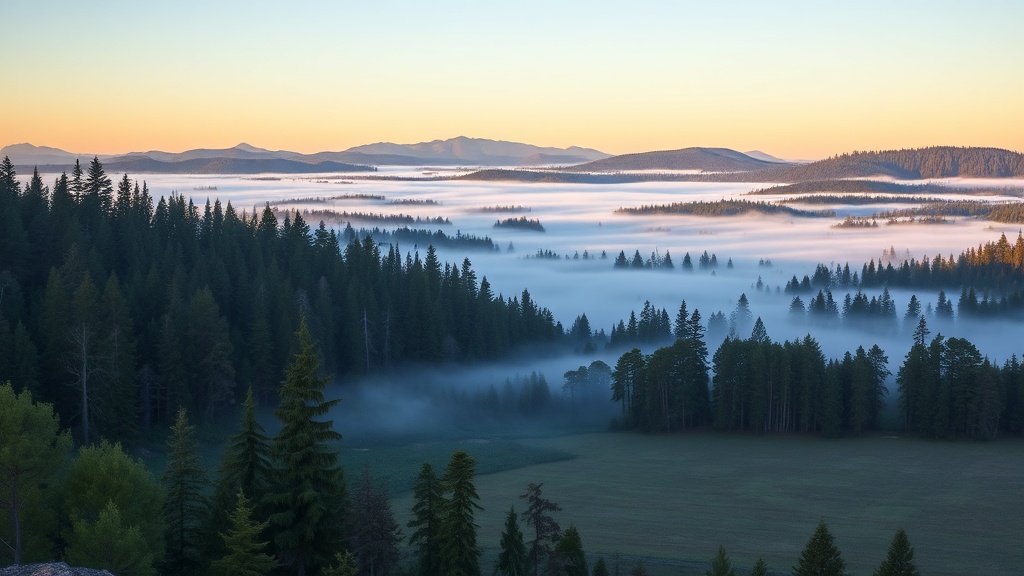 Spring turkey hunting is the primary draw, with gobblers actively gobbling and strutting during the breeding season. Fall hunting offers a different experience, with birds in flocks and less vocal than during the spring. Oregon’s turkey seasons are generally statewide, though some areas may have specific restrictions.
For full season details, visit the Oregon hunting seasons page.
Licensing and Tags
Oregon turkey tags are among the most accessible in the West. Spring turkey tags are available over the counter for most areas and are not limited by a draw system. Hunters may be able to purchase multiple tags, allowing the harvest of more than one bird per season depending on tag availability and regulations. Residents can expect to pay $33.50 for a resident hunting license, while nonresidents should budget for the higher $176.50 nonresident fee.
Fall turkey tags are similarly accessible, with over-the-counter availability in most of the state. Nonresidents can purchase Oregon turkey tags without entering a draw, making the state an excellent option for out-of-state hunters looking for a western turkey experience without the uncertainty of a lottery.
All hunters need a valid Oregon hunting license in addition to their turkey tag. Youth hunters may qualify for reduced-fee licenses.
For a complete breakdown of license types and how to purchase tags, see the Oregon hunting license guide.
Regulations Highlights
Oregon turkey hunting regulations are generally straightforward. Key rules include:
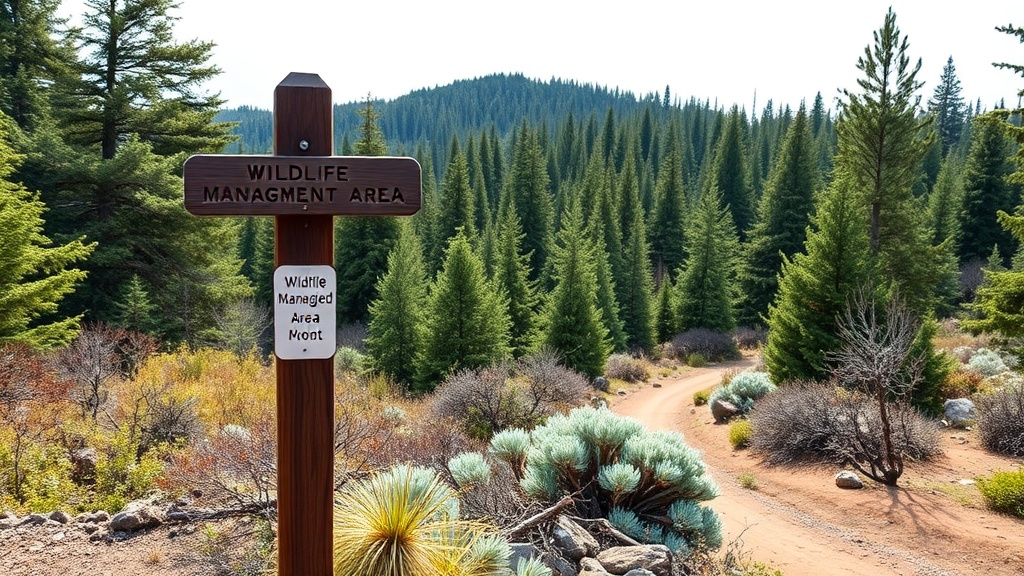 <strong>Season limit:</strong> 1
- Bag limits: Spring season typically allows one bearded turkey per tag, and hunters may be able to purchase additional tags. Fall season may allow either sex. Check the current regulations for the number of tags available per hunter.
- Legal weapons: Shotguns and archery equipment are the primary legal weapons. Minimum gauge and shot-size requirements may apply. Rifle use for turkey may be restricted or prohibited. Verify the weapon rules for your hunting area.
- Calling and decoys: Manual calls and decoys are legal. Electronic calls are prohibited during spring season but may be allowed during fall. Confirm the current rules.
- Shooting hours: Turkey hunting is typically allowed from one-half hour before sunrise to one-half hour after sunset, though hours may vary by season.
- Private land access: Much of Oregon’s best turkey habitat is on private land, particularly in the agricultural valleys. Always obtain written permission before hunting private property.
Review the full set of rules on the Oregon hunting regulations page.
Where to Hunt
Oregon offers a mix of public and private land turkey hunting. While some of the densest populations are on private agricultural land, substantial public land opportunities exist. Key areas include:
- Rogue River-Siskiyou National Forest – The foothills and river drainages of southwestern Oregon hold strong Rio Grande turkey populations. Oak woodlands, pine-oak transition zones, and creek bottoms provide ideal habitat. This is one of Oregon’s top public-land turkey areas.
- Fremont-Winema National Forest – The pine and mixed-conifer forests around the Klamath Basin support Merriam’s turkeys at moderate elevations. The transition between ponderosa pine and open meadow is prime strutting habitat.
- Ochoco National Forest – Eastern Oregon’s Ochoco country holds turkeys in the ponderosa pine and juniper habitats. The birds here are more scattered than in southern Oregon but can be found along drainages and in open parks.
- BLM lands in the Rogue and Umpqua valleys – Scattered BLM parcels in southwestern Oregon provide access to turkey habitat in the oak and chaparral foothill country.
- Sauvie Island Wildlife Area – Located near Portland, this wildlife area holds turkeys in the riparian and agricultural habitats along the Columbia River. Access is convenient for hunters in the metro area.
For more on public and private land access, visit the Oregon hunting land page.
Tactics and Strategies
Turkey hunting in Oregon varies by region and subspecies. In the southwestern oak and pine woodlands, Rio Grande turkeys behave much like their counterparts in other western states, roosting in tall oaks or conifers and flying down to feed in meadows, along logging roads, and in agricultural fields.
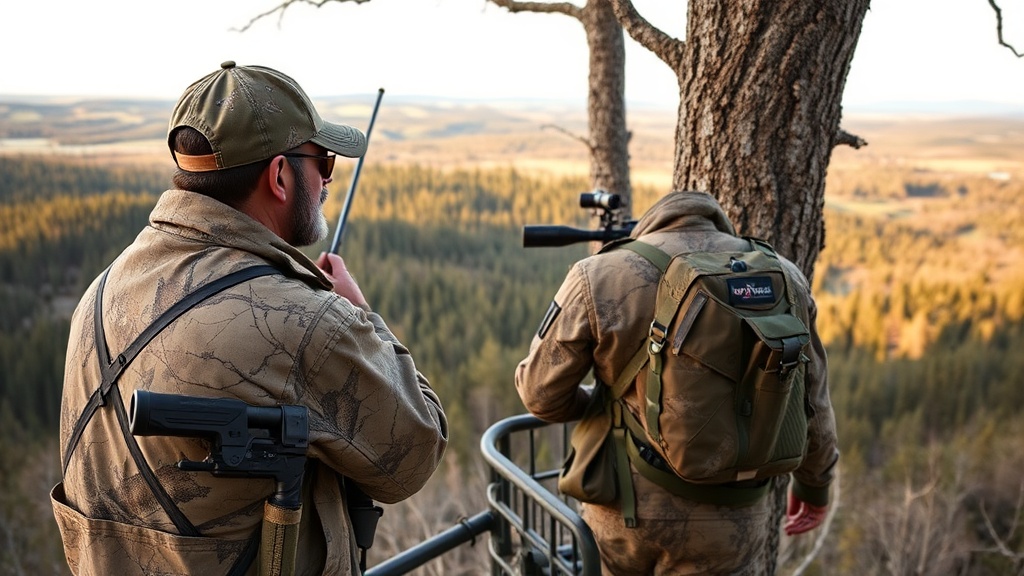 For spring hunting, roost birds the evening before by listening for fly-up gobbling and wing beats. Set up within calling range before dawn, position decoys in a visible opening, and use soft yelps and clucks to work a gobbler off the roost. Oregon’s oak-studded hillsides and mixed-pine ridges provide natural openings that turkeys use as strut zones. Position yourself with your back to a wide tree on the edge of one of these openings.
In the higher-elevation pine forests where Merriam’s dominate, birds use the open parks between timber stands. Glassing from a distance to locate strutting gobblers, then moving into calling position, is an effective approach. Merriam’s in Oregon tend to cover more ground than Rio Grande birds, so be prepared to reposition if a tom moves away.
Fall tactics center on locating flocks through scouting. Turkeys flock up in fall and winter, often feeding in harvested agricultural fields, open meadows, and along creek bottoms. Scattering a flock and calling scattered birds back is the traditional fall approach, though simply setting up in a travel corridor between roost sites and feeding areas can be productive.
Gear Considerations
Oregon turkey hunting conditions vary by region and season. Spring hunts in the river valleys can be mild and rainy, while higher-elevation pine hunts may bring cold mornings with frost. Fall hunts span a range from warm September days to cold, wet December conditions.
Key gear for Oregon turkey hunting includes:
- A 12-gauge or 20-gauge shotgun with a tight turkey choke and quality turkey loads
- Full camouflage clothing appropriate for the terrain, whether green-tinted western oak woodland or brown-toned pine forest
- Rain gear for western Oregon hunts, where spring showers are common
- A turkey vest with seat pad, call storage, and gear pockets
- A variety of calls, including box, slate, and diaphragm calls
- Decoys, including a hen and a jake or tom for spring setups in open terrain
For detailed gear recommendations, visit the gear hub and the game calls guide.
Plan Your Hunt
Oregon turkey hunting combines accessible tags with expanding bird populations and varied landscapes. Whether you are working a Rio Grande gobbler through the oak woodlands of the Rogue Valley or calling a Merriam’s tom across a high-country meadow, the state offers western turkey hunting at its best. These resources will help you plan:
- Turkey Hunting Guide – biology, behavior, and general strategies
- Oregon Location Hub – overview of hunting in the Beaver State
- Scouting Basics – how to read sign and pattern game
- First-Time Hunter Checklist – everything you need before your first hunt
Explore Related Topics:
Notice an update we should make?
We strive for accuracy. Contact us here if you see incorrect or outdated info on this page.