Oklahoma is a unique turkey hunting state because it holds two subspecies of wild turkey. Adult toms typically weigh 11–24 lbs (toms), 5–12 lbs (hens), and hunters can pursue both Eastern and Rio Grande birds depending on where they hunt. Eastern turkeys inhabit the heavily timbered eastern half of the state, particularly the Ouachita Mountains and the Ozark Plateau region, while Rio Grande turkeys dominate the western prairies, Cross Timbers, and river corridors of central and western Oklahoma. In some areas, the ranges of these two subspecies overlap, and hunters may encounter hybrid birds. This diversity makes Oklahoma an appealing destination for hunters pursuing a Grand Slam or simply looking for quality spring gobbler action.
| Season Type | Opens | Closes | Notes |
|---|---|---|---|
| Spring | April 6, 2026 | May 6, 2026 | Spring turkey season. Bearded turkeys only. Shotgun and archery. |
| Fall | October 1, 2025 | January 15, 2026 | Fall turkey runs concurrent with archery deer season. Either sex. Archery only unless during gun deer season. |
The Oklahoma Department of Wildlife Conservation (ODWC) manages turkey populations through regulated spring and fall seasons, a network of Wildlife Management Areas open to public hunting, and ongoing habitat management. Turkey numbers across the state have benefited from decades of restoration work, and Oklahoma now supports huntable populations in most counties. The spring season in particular draws enthusiastic participation, as Oklahoma’s mix of terrain types creates ideal conditions for calling and working gobblers.
Always verify current season dates, bag limits, and legal requirements through the official ODWC regulations before heading afield. Rules can change from year to year and may vary by region and WMA.
Season Overview
Oklahoma offers both spring and fall turkey seasons. The spring season is the primary hunting opportunity, typically opening in mid-April and running through mid-May. A youth spring turkey weekend usually precedes the general spring opener, giving younger hunters early access to the woods. The spring season is split into zones in some years, with specific dates for eastern and western portions of the state.
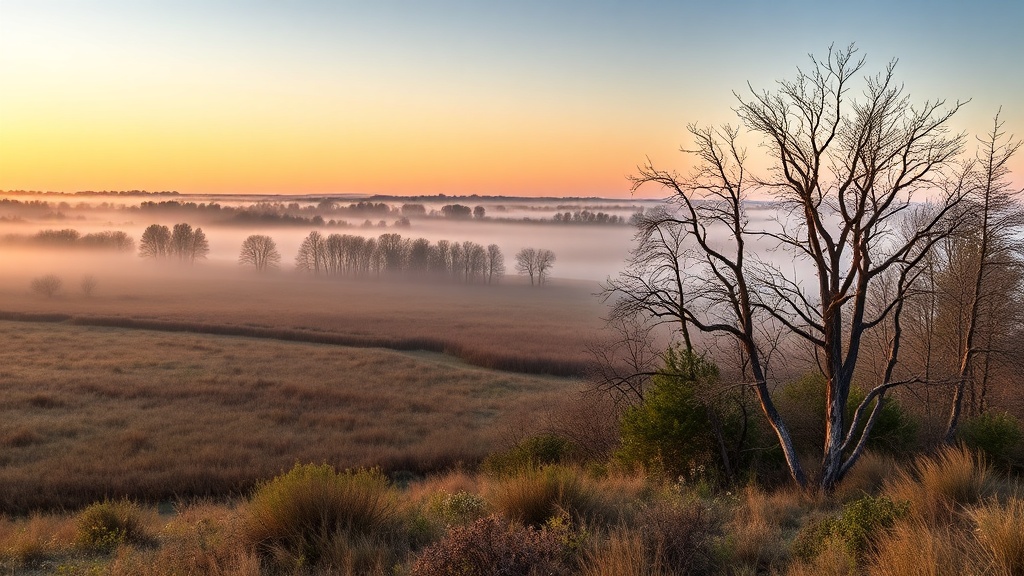 The fall turkey season generally runs concurrently with portions of the deer season in the fall and early winter months, with either-sex harvest permitted. The fall season allows both archery and firearms methods, though participation is lower than during the spring. Spring hunting is restricted to bearded birds only.
For full season details, visit the Oklahoma hunting seasons page.
Licensing and Tags
To hunt turkey in Oklahoma, you need a valid Oklahoma hunting license plus a turkey hunting license or tag. Residents purchase a resident hunting license and a spring or fall turkey license. Nonresidents need a nonresident hunting license and the corresponding turkey license. Oklahoma may also require an additional WMA permit for hunting on certain public lands. Residents can expect to pay $25.00 for a resident hunting license, while nonresidents should budget for the higher $285.00 nonresident fee.
Youth licenses and combination packages that bundle hunting and fishing privileges are available. Some WMA turkey hunts are controlled through a draw system, requiring hunters to apply in advance for limited permits.
For a complete breakdown of license types and how to purchase them, see the Oklahoma hunting license guide.
Regulations Highlights
Oklahoma turkey hunting regulations include subspecies-specific and zone-specific rules. Key rules to be aware of include:
 <strong>Daily limit:</strong> 1 | <strong>Season limit:</strong> 4
- Bag limits: The spring season bag limit typically allows multiple bearded turkeys per season. The fall season may allow either-sex harvest with a separate bag limit.
- Legal birds: During the spring season, only bearded turkeys are legal. During the fall season, either-sex harvest may be permitted depending on the zone.
- Legal weapons: Shotguns, archery equipment (including crossbows), and muzzleloading shotguns are legal for turkey hunting. Rifles are generally not permitted during turkey season.
- Shot restrictions: Non-toxic shot may be required on certain WMAs. Check area-specific rules before hunting.
- Hunting hours: Spring turkey hunting hours typically begin at a designated time before sunrise and end at a set time in the afternoon or evening.
- Reporting: Harvested turkeys must be checked through the ODWC’s reporting system.
Review the full set of rules on the Oklahoma hunting regulations page.
Where to Hunt
Oklahoma’s WMA system provides extensive public land turkey hunting. Key areas include:
- Pushmataha Wildlife Management Area – In the Ouachita Mountains of southeastern Oklahoma, Pushmataha holds strong Eastern turkey populations in rugged hardwood timber. Ridgetop roosts and creek bottom strut zones make for classic spring gobbler hunting.
- Cookson Hills WMA – Situated in the hills of eastern Oklahoma, Cookson offers quality Eastern turkey hunting in oak-hickory forest with creek bottom openings.
- Canton Wildlife Management Area – Located in the western part of the state along the North Canadian River, Canton WMA provides Rio Grande turkey hunting in a mix of riparian timber and adjacent grassland.
- Packsaddle WMA – In the Osage Hills of northeastern Oklahoma, Packsaddle features a mix of tallgrass prairie and cross timbers habitat where Eastern turkeys thrive.
- Fort Cobb WMA – In southwestern Oklahoma, Fort Cobb offers Rio Grande turkey hunting in a semi-arid landscape of mixed grass and timber along the reservoir’s shoreline.
Many WMA hunts are open access, though some controlled hunts require draw permits. Learn more about access options on the Oklahoma hunting land page.
Tactics and Strategies
Turkey hunting tactics in Oklahoma differ between the two subspecies and their respective habitats. Eastern turkeys in the Ouachita Mountains and eastern woodlands behave much like Easterns elsewhere in their range: they roost in tall hardwood timber along ridges and creek bottoms, fly down to nearby openings at dawn, and spend the day strutting, feeding, and traveling through the timber. Setting up within calling distance of a roosted bird before dawn, then using a combination of yelps, clucks, and purrs to draw him in after fly-down, is the classic approach.
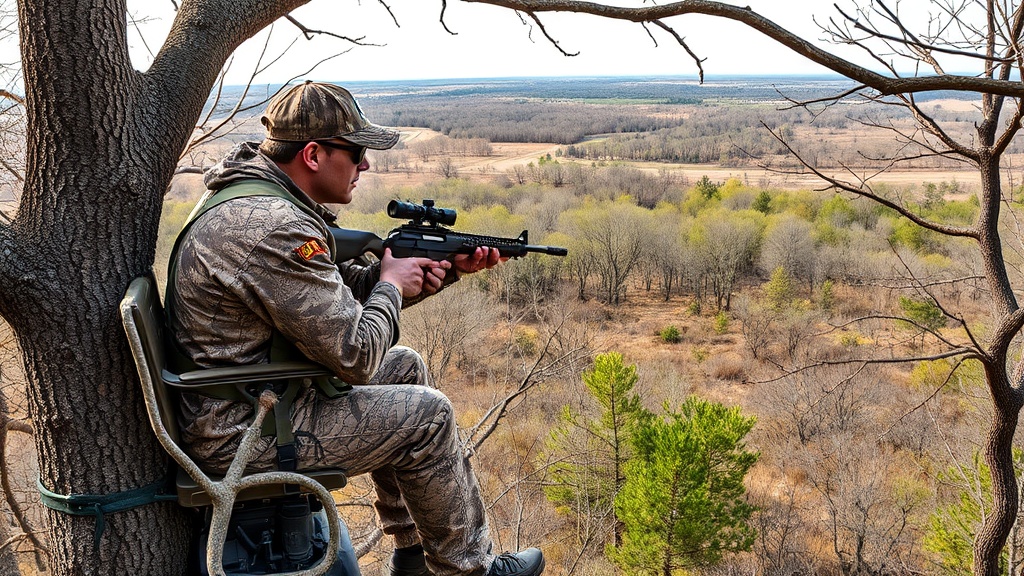 Rio Grande turkeys in the western prairies and Cross Timbers behave differently. Rios tend to travel in larger flocks, cover more open ground, and roost in cottonwood or elm trees along creeks and rivers. In open country, getting within calling range of a Rio gobbler requires using terrain features, brush, and creek banks for concealment. Decoys are particularly effective for Rios in open terrain, as these birds are often willing to commit to visible decoys across open ground.
In the overlap zones of central Oklahoma, hunters may encounter both subspecies. Scouting roost sites, listening for gobbling activity at dawn, and identifying strut zones and travel routes between roosting and feeding areas are the foundation of a successful Oklahoma turkey hunt regardless of subspecies.
Gear Considerations
Oklahoma’s spring turkey season coincides with warming weather, but mornings can still be cool, and afternoon temperatures may climb into the 80s or higher. Rain and thunderstorms are common in April and May. Dress in layers and pack rain gear.
Key gear for Oklahoma turkey hunting includes:
- A 12-gauge or 20-gauge shotgun loaded with turkey-specific loads, preferably with a tight choke for consistent patterns at turkey distances
- Full camouflage clothing suited to the specific habitat, whether eastern hardwood timber or western prairie brush
- A quality slate, diaphragm, or box call, with at least two call types for versatility
- Decoys, particularly for Rio Grande hunting in open terrain
- A comfortable, low-profile seat or cushion for long sits against a tree
- Insect repellent, as ticks and chiggers are prevalent in Oklahoma during spring
For detailed gear recommendations, visit the gear hub.
Plan Your Hunt
Oklahoma’s unique two-subspecies turkey hunting makes it a rewarding state for spring gobbler enthusiasts. Scout roost sites, identify strut zones, and familiarize yourself with the terrain before the season opens. These resources will help you put a hunt together:
- Turkey Hunting Guide – biology, behavior, and general strategies
- Oklahoma Location Hub – overview of hunting in the Sooner State
- Scouting Basics – how to read sign and pattern game
- First-Time Hunter Checklist – everything you need before your first hunt
Explore Related Topics:
Notice an update we should make?
We strive for accuracy. Contact us here if you see incorrect or outdated info on this page.