North Carolina provides outstanding turkey hunting from the Appalachian peaks in the west to the Coastal Plain swamps and agricultural fields in the east. Adult toms typically weigh 11–24 lbs (toms), 5–12 lbs (hens), and the Eastern wild turkey population has recovered strongly across all counties. The state’s Eastern wild turkey population has made a strong recovery thanks to decades of management by the North Carolina Wildlife Resources Commission (NCWRC), and gobblers are now found in every county. Hunters near Asheville can chase mountain birds along hardwood ridges, those around Raleigh and Charlotte can work Piedmont creek bottoms and field edges, and coastal hunters can set up along pocosins and farm fields where turkeys concentrate.
| Season Type | Opens | Closes | Notes |
|---|---|---|---|
| Spring | April 12, 2026 | May 10, 2026 | Gobblers only. Statewide spring turkey season. |
| Youth | April 5, 2026 | April 5, 2026 | Youth spring turkey day. One day only. Hunters 15 and under. |
North Carolina’s spring season offers a rewarding combination of vocal birds, manageable public land, and enough season length to adjust your strategy as breeding behavior shifts. The state’s diverse terrain keeps the hunting experience fresh – a mountain gobbler hunt feels very different from sitting on a Coastal Plain food plot waiting for a strutting tom to close the distance.
Always check the NCWRC for current season dates and regulations before your hunt, as rules can vary by region and may change from year to year.
Season Overview
North Carolina’s spring gobbler season typically begins in mid-April and runs through mid-May, lasting about four weeks. A youth-only turkey hunting day is generally scheduled the Saturday before the regular season opener. Some years may also include a limited fall turkey season in select counties, usually with more restrictive bag limits.
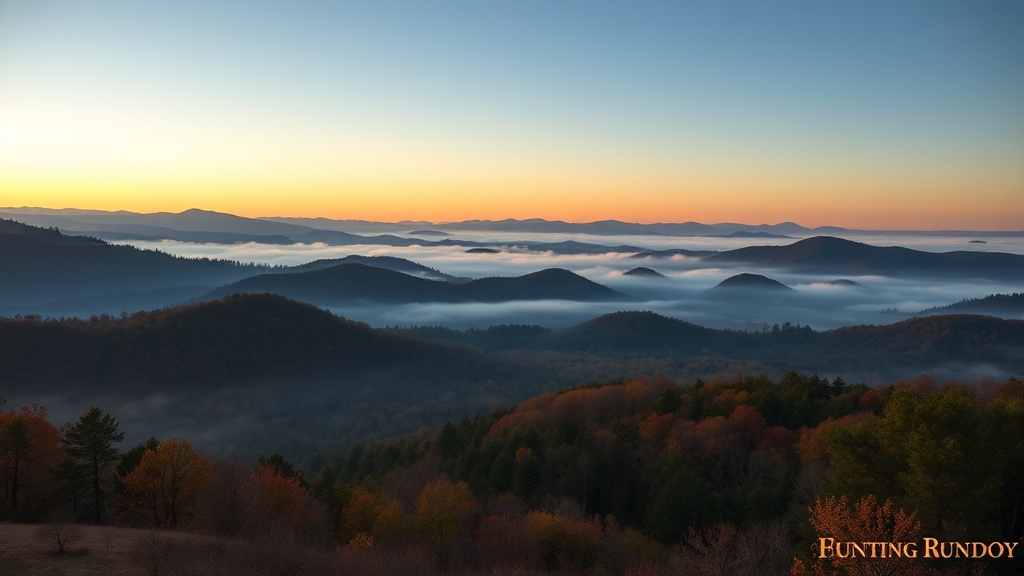 Peak gobbling activity in North Carolina tends to occur in mid to late April, though mountain birds at higher elevations may not reach full breeding intensity until early May. Coastal Plain birds often gobble earlier as spring arrives sooner at lower elevations. The full season length lets hunters adapt to changing bird behavior as hens begin nesting and gobblers become more responsive to calling.
Visit the North Carolina hunting season page for the current season framework and any area-specific dates.
Licensing and Tags
Turkey hunters in North Carolina need a valid hunting license that covers big game. There is no separate turkey tag, but hunters must follow the seasonal bag limit and report harvests as required by the NCWRC. Residents can expect to pay $25.00 for a resident hunting license, while nonresidents should budget for the higher $100.00 nonresident fee.
Hunting on state game lands requires a Game Lands license in addition to the standard hunting license. Nonresidents must purchase a nonresident hunting license. Youth hunters may qualify for reduced-cost or free licenses.
For complete licensing details, visit the North Carolina hunting license guide.
Regulations Highlights
Key North Carolina turkey hunting regulations include:
 <strong>Daily limit:</strong> 1 | <strong>Season limit:</strong> 2
- Legal birds – Only gobblers and bearded turkeys may be harvested during the spring season.
- Shooting hours – Hunting typically runs from thirty minutes before sunrise until noon, though this can vary by season segment.
- Legal weapons – Shotguns (no larger than 10-gauge) and archery equipment. Rifles are not legal for turkey.
- Electronic calls are generally prohibited during the spring season.
- Decoys are legal.
- Sunday hunting restrictions may apply on game lands. Check current rules for the specific area you plan to hunt.
- Baiting turkeys is prohibited.
- Blaze orange is not required during spring turkey season but is advisable when traveling to and from your setup.
Review the full regulations on the North Carolina hunting regulations page.
Where to Hunt
North Carolina’s game lands system and national forests provide substantial public turkey hunting access. Top areas include:
- Nantahala National Forest – The steep, hardwood-covered mountains of western North Carolina hold mountain gobblers that roost on ridge points and travel along old logging roads and benches. Less crowded than some eastern game lands.
- Uwharrie National Forest – In the central Piedmont, Uwharrie’s rolling terrain of mixed hardwoods and scattered openings provides solid turkey habitat within reach of Charlotte and Raleigh.
- Sandhills Game Land – The longleaf pine and wiregrass habitat of the Sandhills supports turkeys that use open areas for strutting and hardwood drains for cover.
- Holly Shelter Game Land – One of the state’s largest game lands, located in the southeastern Coastal Plain. The mix of pocosins, pine flatwoods, and managed openings holds good turkey numbers.
- South Mountains Game Land – In the foothills west of Charlotte, this area provides steep hardwood ridges and creek bottoms with huntable turkey populations.
For additional public land options, visit the North Carolina land access guide.
Tactics and Strategies
North Carolina’s three main regions demand different turkey hunting approaches.
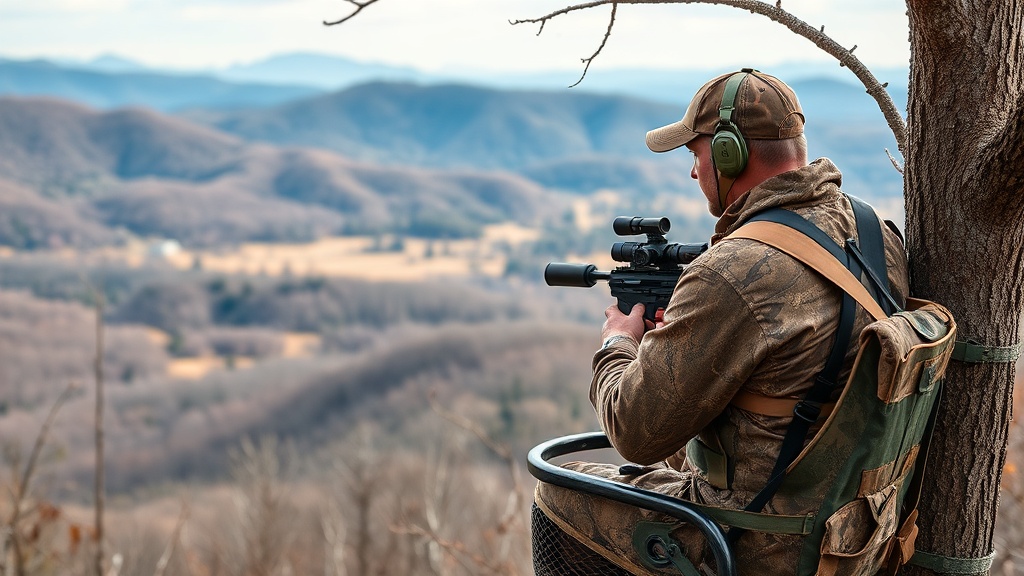 Blue Ridge Mountains. Mountain gobbler hunting is a physical pursuit. Birds roost on ridge points and spurs, often flying down to old roads, benches, or open areas on the slopes. Getting to the same elevation as the roosted bird before fly-down is critical. Set up on logging roads or flat benches where birds like to strut. Calling carries well across the mountain terrain, so start with soft tree yelps and increase volume as the morning progresses. These birds can be responsive to cutting and excited yelps once they fly down.
Piedmont. The rolling farmland and mixed timber of the Piedmont create classic turkey hunting conditions. Focus on areas where hardwoods border agricultural fields, pastures, or power line clearings. Creek bottoms and fence rows serve as travel corridors that channel bird movement. Patience is often the key here – setting up quietly near a known strut zone and using soft calling to pull a gobbler off his route is a proven approach. Decoys are effective in the open fields.
Coastal Plain. Flat terrain and open habitat mean turkeys can see a long way. Decoys become an important part of the equation in the east. Set up along the edges of food plots, logging roads, or clear-cuts where you can see approaching birds. The thick pocosins provide bedding and escape cover, so turkeys often move along the edges of these dense areas. Calling from the timber edge toward open ground pulls birds into range.
Scouting is essential in all three regions. Listen for gobbling from high points at dawn in the weeks before the season. Look for tracks, dusting bowls, feathers, and droppings along field edges, roads, and clearings.
Gear Considerations
Spring turkey season in North Carolina ranges from pleasantly cool in the mountains to warm and humid along the coast. Lightweight, breathable camouflage is the standard, with long sleeves and pants to protect against ticks, chiggers, and briars that are abundant from April through May.
A 12-gauge or 20-gauge shotgun with a full or extra-full turkey choke is the primary weapon. Pattern your shotgun with the loads you plan to use before the season to confirm your point of impact and effective range. Archery hunters should use broadheads approved for turkey and practice shots from a seated position.
A vest with a built-in seat cushion is essential for comfort during extended sits against a tree. Carry multiple call types – a diaphragm for hands-free use, a box call for volume, and a pot call for subtle work. Lightweight decoys that pack down small are helpful, especially in the open terrain of the Piedmont and Coastal Plain.
Sturdy hunting boots are important in all regions. In the mountains, choose boots with ankle support and aggressive tread. On the coast, snake boots or snake-proof gaiters are a smart addition, as venomous snakes are active during turkey season. For more gear, see the gear section.
Plan Your Hunt
North Carolina’s healthy turkey population and diverse hunting terrain – from mountain ridges to coastal flatlands – make it a strong choice for spring gobbler season. Prepare with these resources:
- Turkey Hunting Guide – Biology, calling techniques, and hunting strategies
- North Carolina Location Hub – Statewide hunting opportunities
- Scouting Basics – Locating gobblers before the season opens
- First-Time Hunter Checklist – Everything you need to prepare
Explore Related Topics:
Notice an update we should make?
We strive for accuracy. Contact us here if you see incorrect or outdated info on this page.