New York offers outstanding Eastern wild turkey hunting across a landscape that ranges from the rugged Adirondack and Catskill Mountains to the fertile farmlands of the Finger Lakes, Hudson Valley, and western New York. Adult toms typically weigh 11–24 lbs (toms), 5–12 lbs (hens) and are found in virtually every county in the state. The New York State Department of Environmental Conservation (NYSDEC) has managed a successful turkey restoration program that has resulted in a strong, huntable population in virtually every county in the state. Spring gobbler season is the main event, but New York also provides a fall turkey season that extends opportunity into the autumn months.
| Season Type | Opens | Closes | Notes |
|---|---|---|---|
| Spring | May 1, 2026 | May 31, 2026 | Spring gobbler season. Bearded turkeys only. Shotgun and archery only. |
| Fall | October 1, 2025 | November 14, 2025 | Fall turkey season. Either sex. Varies by WMU; closed in some WMUs. Shotgun, archery, and crossbow. |
| Youth Spring | April 26, 2026 | April 27, 2026 | Youth spring turkey weekend. Hunters ages 12-15 with adult mentor. |
For hunters near New York City, Albany, or Buffalo, quality turkey habitat is within easy reach. The Southern Tier, Finger Lakes region, and western New York agricultural zone are widely considered the top turkey areas in the state, where a mix of hardwood forest, crop fields, and meadows creates ideal conditions for large turkey flocks. The Catskills and southern Adirondacks also hold good turkey numbers in their mixed hardwood forests.
The Eastern wild turkey is the only subspecies found in New York. Turkey populations can fluctuate year to year based on nesting success and winter severity, so checking the NYSDEC’s annual population assessments and season details is advisable before planning a hunt.
Season Overview
New York’s spring turkey season typically opens in early to mid-May and runs through the end of May or early June. The season runs all day from half an hour before sunrise to sunset. A youth-only spring turkey weekend is held before the regular season opens, generally in late April, giving young hunters a head start on the birds before general hunting pressure begins.
 The fall turkey season varies by Wildlife Management Unit (WMU). In the Southern Zone, fall season generally runs from mid-October through late November. In the Northern Zone, the fall season may be shorter or not available in all WMUs, depending on population levels and management objectives.
Both spring and fall seasons use the WMU system, so hunters should know which unit they plan to hunt and verify the specific dates for that area.
Check the New York hunting seasons page for current zone-specific season dates.
Licensing and Tags
New York turkey hunters need a valid hunting license plus a turkey permit. The turkey permit allows the harvest of one bearded turkey during the spring season. There is no lottery draw for turkey permits in New York – they are available over the counter, making spring turkey hunting widely accessible. Residents can expect to pay $22.00 for a resident hunting license, while nonresidents should budget for the higher $100.00 nonresident fee.
During the fall season, a separate turkey permit or combination tag may be required depending on the WMU. Fall bag limits may allow additional birds in certain units.
Bowhunting for turkey requires an archery endorsement on the hunting license. Youth hunters participate under the state’s youth hunting program with appropriate license modifications. Nonresidents can purchase licenses and turkey permits with higher fee structures.
For complete license types and purchasing information, visit the New York hunting license guide.
Regulations Highlights
During the spring season, only bearded turkeys are legal. Shotguns and archery equipment, including crossbows, are the legal methods. Rifles are not permitted for turkey hunting in New York. Shot size and load regulations apply, and hunters should confirm their ammunition meets state requirements.
 <strong>Daily limit:</strong> 1 | <strong>Season limit:</strong> 2
Fall turkey regulations allow either-sex harvest in open WMUs. Legal methods during the fall include shotguns, archery, crossbows, and in some areas, rimfire rifles or other firearms as specified by the NYSDEC.
<strong>Daily limit:</strong> 1 | <strong>Season limit:</strong> 2
Fall turkey regulations allow either-sex harvest in open WMUs. Legal methods during the fall include shotguns, archery, crossbows, and in some areas, rimfire rifles or other firearms as specified by the NYSDEC.
Electronic calls are not permitted during the spring season. Baiting for turkeys is illegal in New York. All harvested turkeys must be tagged immediately and reported through the NYSDEC’s HuntFishNY system within the required timeframe.
Hunters should note that turkey hunting is allowed only during designated seasons and that state land, WMAs, and other public areas may have additional site-specific rules regarding access, parking, and hunting methods.
Consult the New York hunting regulations page for full details.
Where to Hunt
New York’s public land system provides excellent turkey hunting access. Top areas include:
Finger Lakes National Forest – The only national forest in New York, located between Seneca and Cayuga Lakes. The mix of grasslands, hardwood ravines, and forest edges creates ideal turkey habitat, and the area produces birds consistently during both spring and fall seasons.
Connecticut Hill Wildlife Management Area – This 11,600-acre WMA near Ithaca is one of the top turkey destinations in the state. Rolling hardwood ridges and openings hold strong turkey numbers, and the area is large enough to absorb hunting pressure.
Pharsalia Wildlife Management Area – Located in Chenango County, this WMA features a mix of hardwood forest, old fields, and food plots that attract turkeys. It is a solid spring gobbler destination in the Southern Tier.
Catskill Park State Lands – Public Forest Preserve land within the Catskill Park provides walk-in turkey hunting access in the hardwood forests and mountain valleys. Birds use the lower-elevation oak-hickory forests and agricultural clearings throughout the park.
Western New York State Forests – Large state forest blocks in Allegany, Cattaraugus, and Steuben Counties sit in prime agricultural turkey country. The combination of row crops, hardwood ridges, and forest openings supports high turkey densities.
For more public land options, visit the New York land access guide.
Tactics and Strategies
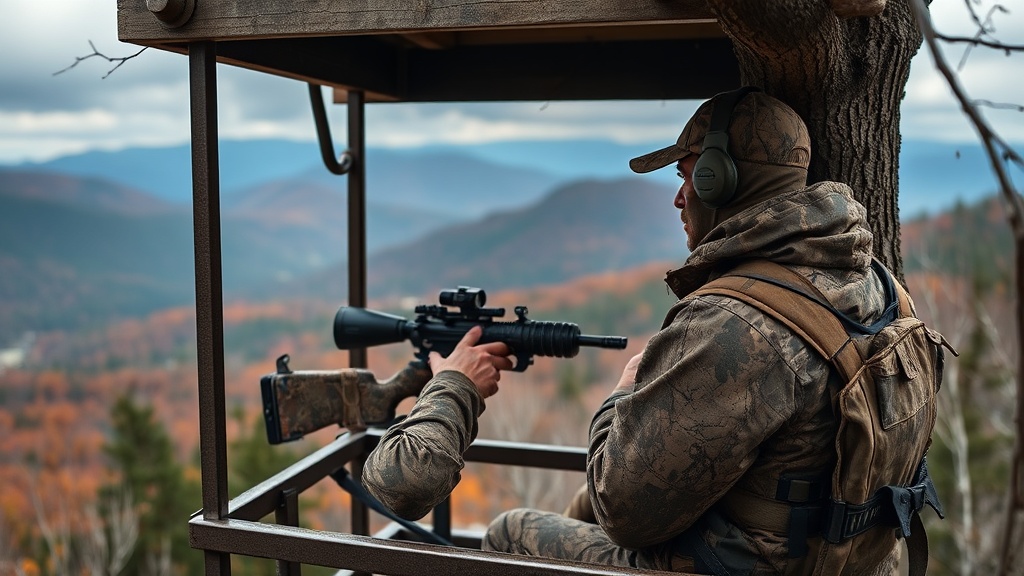
Spring turkey hunting in New York is built around calling birds from the roost or intercepting them during their morning routine. Locating roost trees through pre-season scouting by listening for gobbling at dawn or fly-down activity at dusk is the single most important preparation step. Setting up within 100 to 200 yards of a known roost before first light puts hunters in the best position.
 In the agricultural regions of western New York, the Finger Lakes, and the Hudson Valley, turkeys often fly down from timber roosts and move to open crop fields or pastures to feed and strut. Decoy setups on field edges are extremely effective in these areas. A combination of hen decoys and a jake decoy can trigger a fast response from breeding gobblers.
In the forested terrain of the Catskills and Adirondacks, turkeys relate more to logging roads, forest openings, old apple orchards, and hardwood benches. Calling tactics need to be more subtle in thick timber, where birds may respond vocally but approach slowly through cover. Patience is critical in these settings – many gobblers are killed by hunters who resist the urge to overcall and simply wait for the bird to close the distance.
Fall hunting in New York is often a flock-based game. Scouting feeding areas such as harvested cornfields, oak flats, and pastures helps locate flocks. Scattering a flock and calling the birds back is a proven fall method, and ambush setups along travel routes between roost and feed sites also produce results.
Gear Considerations
New York’s spring turkey season occurs during a period of variable weather, from cool, frosty May mornings to warm midday temperatures. Dressing in layers with full camouflage, including gloves and a face mask, is essential. Waterproof boots are important for crossing wet fields, creek bottoms, and damp forest floors that are common in spring.
A 12-gauge or 20-gauge shotgun with a turkey-specific choke and quality turkey loads is the standard setup. Modern tungsten-based loads have improved effective range and pattern density. Patterning your shotgun before the season with your specific choke and load is a non-negotiable step. A low-power scope or red-dot sight can improve accuracy on longer shots.
A turkey vest with a built-in seat, multiple call pockets, and decoy storage is one of the most practical investments for the sport. Carry a range of calls – box, slate, and mouth calls – to vary your presentation. Lightweight, realistic decoys that are easy to carry round out the essential gear.
For additional gear recommendations, browse the gear reviews section.
Plan Your Hunt
New York provides a rich and accessible turkey hunting experience across a range of terrain types. Use these resources to get ready:
- Turkey Hunting Guide – Biology, behavior, and calling fundamentals
- New York Location Hub – Overview of hunting opportunities statewide
- Scouting Basics – Finding roost sites and travel corridors pre-season
- First-Time Hunter Checklist – Gear and preparation essentials
Explore Related Topics:
Notice an update we should make?
We strive for accuracy. Contact us here if you see incorrect or outdated info on this page.