Montana may not be the first state that comes to mind for turkey hunting, but it offers a growing and underappreciated opportunity for hunters who want to chase Merriam’s wild turkeys across some of the most scenic country in the West. Adult toms typically weigh 11–24 lbs (toms), 5–12 lbs (hens) and have established populations in the ponderosa pine forests and river bottoms of the southern and eastern portions of the state. Merriam’s turkeys were introduced to Montana in the mid-twentieth century and have established populations in the ponderosa pine forests, river bottoms, and foothill drainages of the southern and eastern portions of the state. Montana Fish, Wildlife & Parks (MFWP) manages turkey populations through seasonal hunting opportunities with both spring and fall seasons.
| Season Type | Opens | Closes | Notes |
|---|---|---|---|
| Spring | April 12, 2025 | May 18, 2025 | Gobblers and bearded turkeys only. General and limited licenses available. Merriam's turkey. |
| Fall | September 1, 2025 | January 1, 2026 | Either-sex. Dates vary by district. |
Turkey populations in Montana are concentrated in specific habitat corridors rather than spread evenly across the state. The river bottoms along the Yellowstone, Missouri, and Musselshell rivers support birds, as do the ponderosa pine breaks and coulees of the southeastern corner. The Bighorn and Bull mountain ranges and drainages in Carbon, Rosebud, and Custer counties are consistent turkey producers. Cities such as Billings, Miles City, and Great Falls provide convenient access to prime turkey range.
Always verify current season dates, bag limits, and district-specific regulations through the official MFWP resources before heading out. Turkey hunting rules, including permit availability and season structure, can change from year to year.
Season Overview
Montana offers both spring and fall turkey seasons. The spring season typically opens in mid-April and runs through mid-May, coinciding with the peak of the breeding season when gobblers are most vocal and responsive to calling. The fall season generally runs from early September through January, providing a long window to hunt turkeys alongside other fall game seasons.
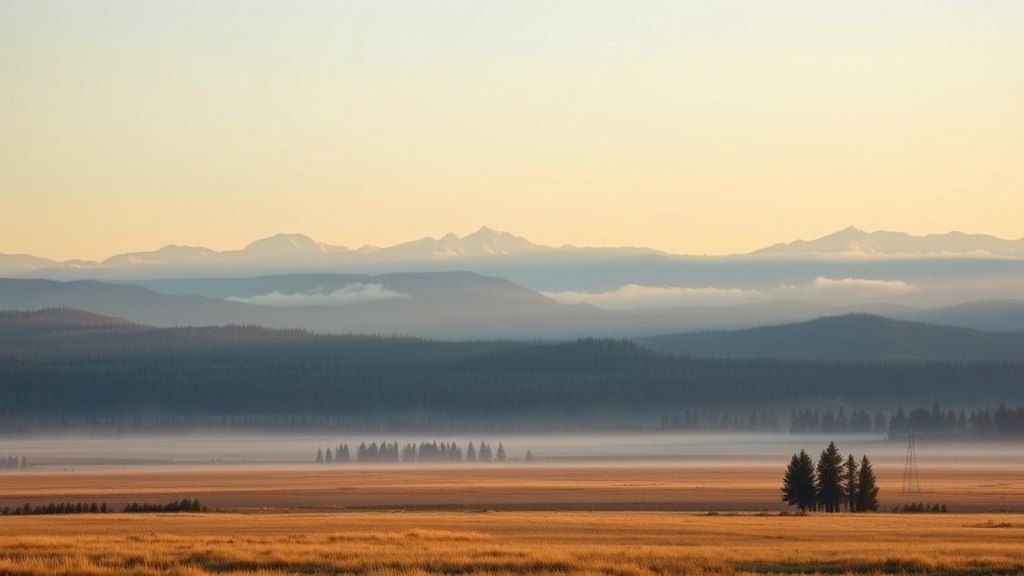 Spring turkey hunting is the more popular option, as gobblers are actively gobbling and strutting on their display grounds. Fall hunting offers a different challenge, often involving scouting flocks and using different calling strategies to bring birds into range. Season dates and structures can vary, so always check the current year’s regulations.
For full season details, visit the Montana hunting seasons page.
Licensing and Tags
Montana turkey licenses are available through both over-the-counter purchase and a limited draw system, depending on the season and district. Spring turkey permits are available in limited numbers through a drawing for some districts, while other districts may allow over-the-counter purchase. Fall turkey licenses are generally easier to obtain. Residents can expect to pay for a resident hunting license, while nonresidents should budget for the higher nonresident fee.
Nonresidents can apply for Montana turkey permits, though availability is limited and demand varies by district. Some districts consistently have leftover tags available after the initial draw, while others are more competitive. All hunters need a valid conservation license in addition to their turkey permit.
For a complete breakdown of license types, application deadlines, and how to apply, see the Montana hunting license guide.
Regulations Highlights
Montana turkey hunting regulations are structured by district. Key rules include:
 <strong>Season limit:</strong> 1
- Bag limits: Spring season generally allows one male (bearded) turkey per permit. Fall season may allow either sex depending on the district. Check your specific district for sex and bag restrictions.
- Legal weapons: Shotguns, archery equipment, and in some cases rifles are legal for turkey hunting in Montana. Minimum shot size and gauge requirements may apply. Verify weapon restrictions for your district and season.
- Calling and decoys: Mouth calls, box calls, slate calls, and decoys are legal. Electronic calls are prohibited.
- Safety requirements: Hunters are strongly encouraged to wear fluorescent orange while moving to and from setups, though it may not be required in all situations during turkey season.
- Shooting hours: Turkey hunting is typically restricted to specific hours, often from one-half hour before sunrise to a set time in the afternoon.
Review the full set of rules on the Montana hunting regulations page.
Where to Hunt
Turkey habitat in Montana is concentrated in specific areas, so locating birds requires targeting the right landscapes. Public land options include:
- Custer Gallatin National Forest – The ponderosa pine foothills and river drainages in the southeastern sections of this forest hold Merriam’s turkeys. Look for birds along pine ridges, meadow edges, and creek bottoms.
- BLM lands along the Yellowstone River corridor – The cottonwood bottoms and adjacent sagebrush breaks along the Yellowstone in south-central Montana support turkey populations. BLM parcels provide walk-in access to these river-bottom habitats.
- Charles M. Russell National Wildlife Refuge – The Missouri River breaks in this vast refuge hold scattered turkey populations in the timbered coulees and river bottoms.
- Ashland Division of the Custer Gallatin National Forest – The ponderosa pine hills around Ashland in southeastern Montana are one of the state’s most consistent turkey areas, with birds using the mix of pine timber and grassland draws.
- State trust lands in southeastern Montana – Scattered state parcels in turkey country provide additional access. Check the MFWP land ownership maps for open parcels in Rosebud, Custer, and Powder River counties.
For more on public and private land access, visit the Montana hunting land page.
Tactics and Strategies
Turkey hunting in Montana is a western experience that differs from the heavily wooded turkey hunting found in the East and South. Merriam’s turkeys in Montana use open ponderosa pine forests and river-bottom corridors, making them somewhat easier to locate visually but sometimes harder to approach across open ground.
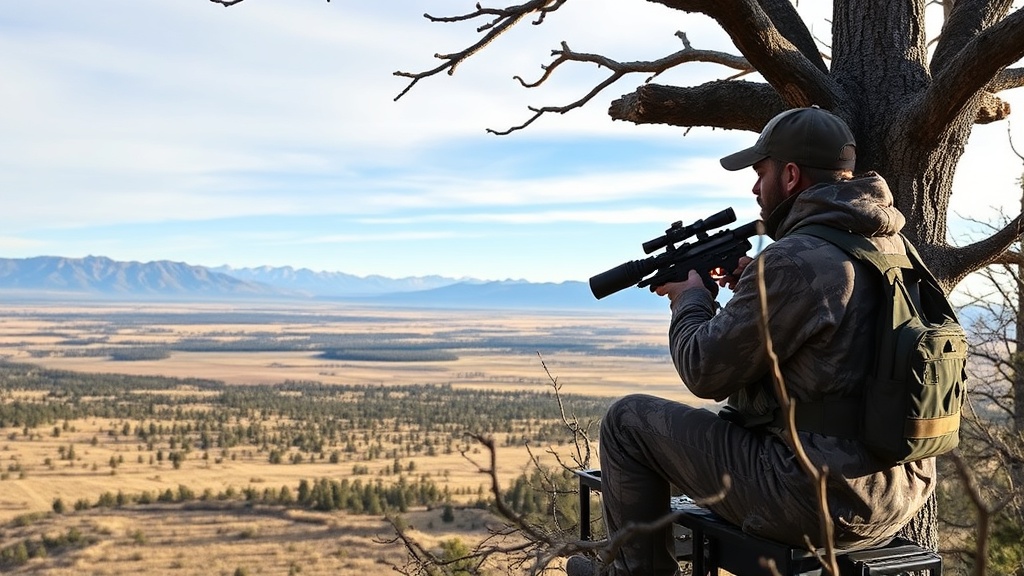 In the spring, start by roosting birds the evening before your hunt. Listen for gobbling at dawn from a high point and move to set up within calling distance before first light. Merriam’s turkeys tend to roost in tall ponderosa pines or cottonwoods and fly down to open meadows and parks to strut. Set up with decoys in an opening where a gobbler can see them from a distance, and use soft calling to draw birds in.
Montana’s open terrain means you may need to set up farther from the roost than you would in eastern forests. Use terrain features such as ridgelines and tree clusters to break up your silhouette. Merriam’s are not as pressured as turkeys in many eastern states, and they can be responsive to calling, but they also have excellent vision across the open landscapes.
In the fall, focus on locating flocks through glassing and scouting. Breaking up a flock and calling scattered birds back to your position is a classic fall tactic. Fall birds are often found in larger flocks working agricultural fields, creek bottoms, and open parks.
Gear Considerations
Turkey hunting in Montana requires gear suited to western mountain and prairie environments. Spring mornings can be cold, with frost and temperatures in the 20s at higher elevations, warming to the 50s or 60s by midday. Fall hunts can range from mild early-season conditions to bitter cold and snow.
Key gear for Montana turkey hunting includes:
- A reliable 12-gauge shotgun with a tight turkey choke, loaded with quality turkey loads in appropriate shot sizes
- Full camouflage clothing suited to the terrain, whether ponderosa pine timber or cottonwood river bottoms
- A comfortable, portable turkey vest with a built-in seat pad for long sits
- A selection of calls, including a box call, slate call, and diaphragm calls
- Decoys, including a hen and a jake or strutting tom for spring setups
- Warm layers for cold mornings, including insulated gloves and a face mask
For detailed gear recommendations, visit the gear hub and the game calls guide.
Plan Your Hunt
Montana turkey hunting is a rewarding pursuit that combines western landscapes with the challenge of calling in a wary gobbler. Success depends on scouting the right areas, understanding Merriam’s behavior, and being prepared for mountain weather. These resources will help you plan:
- Turkey Hunting Guide – biology, behavior, and general strategies
- Montana Location Hub – overview of hunting in Big Sky Country
- Scouting Basics – how to read sign and pattern game
- First-Time Hunter Checklist – everything you need before your first hunt
Explore Related Topics:
Notice an update we should make?
We strive for accuracy. Contact us here if you see incorrect or outdated info on this page.