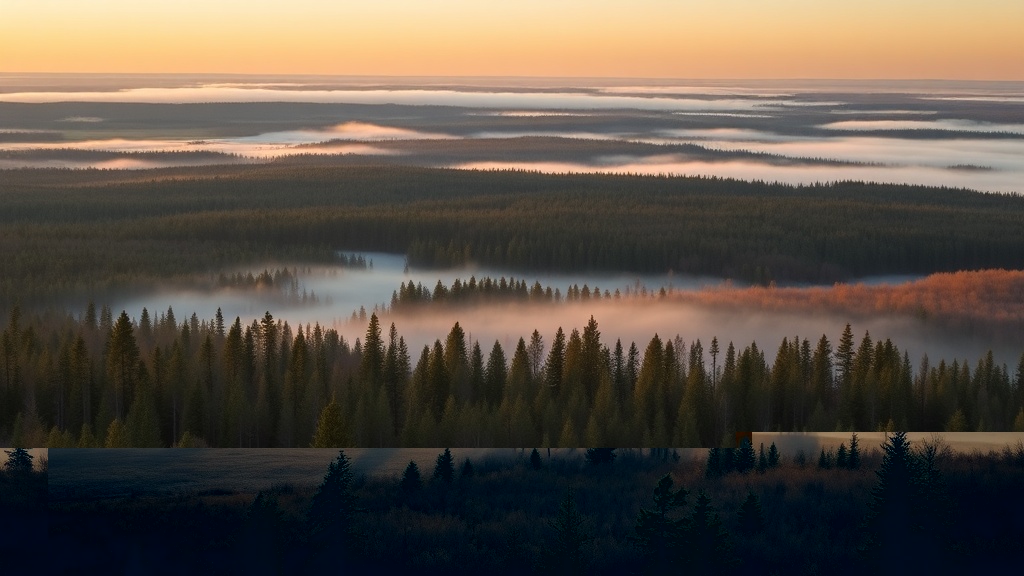
Minnesota has emerged as a strong turkey hunting destination in the Upper Midwest. Adult toms typically weigh 11–24 lbs (toms), 5–12 lbs (hens), and the Eastern wild turkey has expanded across the southern two-thirds of the state since reintroduction. The Eastern wild turkey, once absent from the state, was successfully reintroduced through trap-and-transfer programs and has expanded across the southern two-thirds of Minnesota. Today, turkeys thrive in the hardwood river valleys, agricultural corridors, and mixed forests stretching from the bluff country along the Mississippi River near Rochester to the prairies south and west of Minneapolis and the oak forests of central Minnesota.
| Season Type | Opens | Closes | Notes |
|---|---|---|---|
| Spring | April 16, 2026 | May 31, 2026 | Spring turkey with multiple time periods (A through F). Bearded turkeys only. Shotgun and archery. |
| Spring Youth | April 9, 2026 | April 12, 2026 | Youth spring turkey season. Hunters 10-17 with licensed adult. |
| Fall | October 11, 2025 | November 8, 2025 | Fall turkey season. Either sex. Designated permit areas only. |
The Minnesota Department of Natural Resources (MNDNR) manages the turkey population through a permit-based system that controls harvest pressure and sustains healthy flocks. Spring turkey hunting in Minnesota has grown significantly in popularity, and the season now draws tens of thousands of hunters each year. The combination of responsive birds, beautiful spring landscapes, and quality public land access makes Minnesota an appealing option for gobbler hunters.
Always verify current regulations and permit requirements with the MNDNR before your hunt. The permit system and season structure may change based on population assessments and management goals.
Season Overview
Minnesota’s spring turkey season is divided into multiple time periods, typically labeled A through F or similar, that run from mid-April through the end of May. Each period covers roughly one week, and hunters receive a permit for one specific period. This staggered system spreads hunting pressure across the season and ensures that birds are not overwhelmed during peak breeding activity.
 A youth-only hunt is usually scheduled before the first regular period, giving young hunters a low-pressure introduction to spring gobbler hunting.
Gobbling activity in Minnesota generally picks up in mid to late April as temperatures rise and daylight increases. Peak breeding activity typically occurs from late April through mid-May, with the later time periods often offering some of the best gobbling as hens begin nesting and gobblers become eager to respond to calling.
A fall turkey season is also available in designated areas, usually running concurrently with portions of the fall archery deer season. Fall seasons tend to have separate permit requirements and more limited bag allowances.
For the current season schedule and permit period details, visit the Minnesota hunting season page.
Licensing and Tags
Minnesota uses a lottery permit system for spring turkey hunting. Hunters must apply during a designated application period, typically in early winter, and receive a permit for a specific time period and area. Leftover permits may be available over the counter after the initial lottery. Residents can expect to pay for a resident hunting license, while nonresidents should budget for the higher nonresident fee.
A valid hunting license is required in addition to the turkey permit. Nonresidents can apply but face more limited permit allocations. Youth hunters have their own permit category with better odds of drawing.
All harvested turkeys must be registered through the MNDNR’s electronic registration system. For application timelines and licensing details, see the Minnesota hunting license guide.
Regulations Highlights
Minnesota’s turkey regulations include several important rules:
- Legal birds – Only male turkeys (gobblers) and bearded turkeys may be taken during the spring season.
- Shooting hours – Hunting runs from thirty minutes before sunrise until sunset, though hours may vary by season or area.
- Legal weapons – Shotguns (10-gauge or smaller) with shot no larger than specified size, and archery equipment. Rifles are not legal for turkey.
- Electronic calls are prohibited during the spring season.
- Decoys are legal.
- Permit periods are strictly enforced. Hunters may only hunt during their assigned period unless using a leftover permit that allows hunting in remaining open periods. <strong>Season limit:</strong> 2
- Bag limit is typically one bearded turkey per spring permit.
- Baiting is not permitted for turkey hunting.
Review all current regulations on the Minnesota hunting regulations page.
Where to Hunt
Minnesota offers extensive public land for turkey hunting, particularly in the southeastern and south-central parts of the state where turkey populations are strongest. Top areas include:
- Richard J. Dorer Memorial Hardwood State Forest – Spanning the bluff country of southeastern Minnesota near Rochester, this vast state forest covers rugged coulees and hardwood ridges that are prime turkey habitat. The terrain creates natural funnels and strutting areas that concentrate birds.
- Whitewater WMA – Located in the heart of the bluff country, Whitewater’s hardwood valleys and ridges support a strong turkey population with excellent gobbling activity.
- Sakatah WMA – In south-central Minnesota, this area provides a mix of timber and agricultural edges that turkeys use for feeding and nesting.
- Minnesota River valley WMAs – Scattered along the Minnesota River corridor, these WMAs feature bottomland timber and open areas that hold turkeys in agricultural country.
- Mille Lacs WMA and nearby state forests – In central Minnesota, the oak and hardwood forests at the northern edge of the turkey range offer lower hunting pressure and vocal birds.
For more public land access, check the Minnesota land access guide.
Tactics and Strategies
Turkey hunting tactics in Minnesota vary with the landscape and the stage of the breeding season.
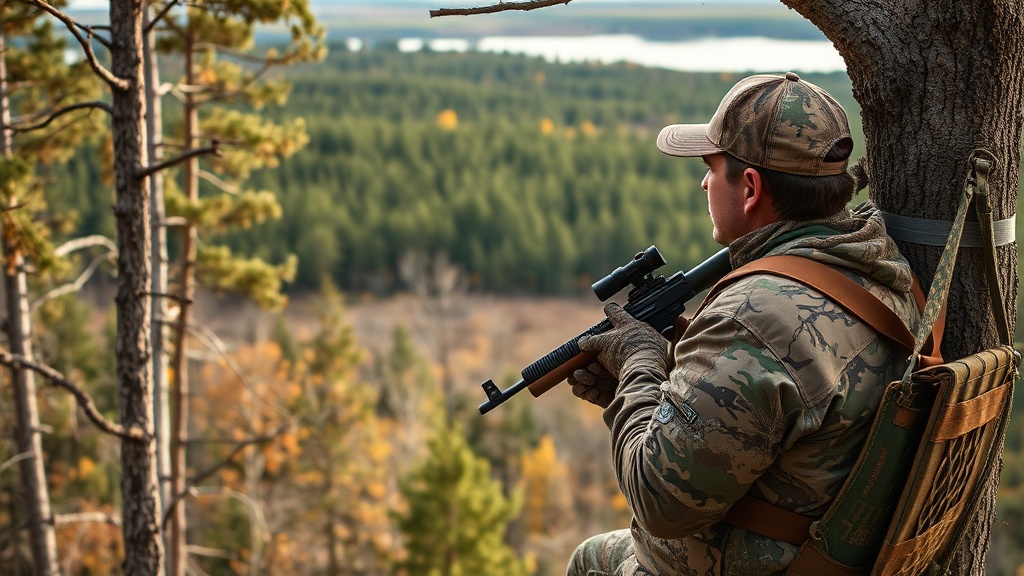 Bluff country (southeast). The steep coulees and hardwood ridges of southeastern Minnesota are Minnesota’s turkey hunting heartland. Gobblers roost on ridge points and bluff edges, often gobbling at first light before flying down to logging roads, field edges, and bench areas. Getting to your setup before dawn and positioning on the same ridge or slightly above the roost is key. Call softly at first – tree yelps and soft clucks – and increase volume after fly-down. The terrain creates natural corridors that channel bird movement, making saddles and ridge transitions excellent setup locations.
Southern farmland. In the agricultural zones south and west of Minneapolis, turkeys use woodlots, shelterbelts, and creek bottoms surrounded by crop fields. Set up where timber meets open ground and use decoys to draw gobblers across open areas. Fence rows and drainage ditches serve as travel routes. Calling across open fields can pull birds from a long distance, so a loud box call or pot call is valuable here.
Central forests. The oak and hardwood forests of central Minnesota are the northern fringe of turkey range. Bird densities may be lower, but the reduced hunting pressure means gobblers can be very responsive to calling. Hunt logging roads, small clearings, and forest edges near water. Patience pays in this zone – birds may take longer to commit but will eventually work in if you stay quiet and consistent.
Late-season tactics. As the season progresses into May, hens begin sitting on nests and gobblers lose their companionship. This often produces the best gobbling of the season, as lonely toms actively search for receptive hens. Aggressive calling, including cutting and excited yelping, can be highly effective during the final permit periods.
Gear Considerations
Spring in Minnesota can range from near-freezing mornings in mid-April to warm, pleasant days by late May. Dressing in layers is essential, as you may shiver at dawn and be comfortable in a single layer by mid-morning. Early-period hunters should bring insulated base layers and warm gloves.
A 12-gauge or 20-gauge shotgun with a tight turkey choke is the standard setup. Pattern your gun before the season to confirm your effective range with the specific loads you intend to use. Archery hunters should be prepared for shots from a seated position, often at ranges under 25 yards.
A turkey vest with a built-in seat cushion is a necessity for long sits against trees. Carry a variety of calls – a diaphragm for hands-free work, a box call for cutting through early-morning wind, and a slate or pot call for fine-tuning your sound. Decoys are particularly useful in the open farmland of southern Minnesota.
Sturdy hunting boots suitable for steep terrain are essential in the bluff country, while lighter boots work fine in flat farmland. For more gear recommendations, visit the gear section.
Plan Your Hunt
Minnesota’s growing turkey population and high-quality public land access make it one of the best spring gobbler hunting opportunities in the Upper Midwest. Start planning with these resources:
- Turkey Hunting Guide – Biology, calling techniques, and strategies
- Minnesota Location Hub – Hunting opportunities across the state
- Scouting Basics – How to locate gobblers before the season
- First-Time Hunter Checklist – What you need before opening morning
Explore Related Topics:
Notice an update we should make?
We strive for accuracy. Contact us here if you see incorrect or outdated info on this page.