Michigan has grown into one of the most productive turkey hunting states in the Midwest, thanks to decades of successful restoration efforts by the Michigan Department of Natural Resources (MDNR). Adult toms typically weigh 11–24 lbs (toms), 5–12 lbs (hens) and now thrive across both peninsulas. The Eastern wild turkey now thrives across the entire Lower Peninsula and much of the Upper Peninsula, inhabiting a range of landscapes from the agricultural flatlands south of Grand Rapids to the northern hardwood forests near Traverse City and the mixed forests of the UP. Turkey populations have expanded steadily, and Michigan now offers both spring and fall hunting opportunities in most areas.
| Season Type | Opens | Closes | Notes |
|---|---|---|---|
| Spring | April 21, 2026 | June 7, 2026 | Spring turkey season with multiple hunt periods. Bearded turkeys only. Shotgun and archery. |
| Fall | October 6, 2025 | November 14, 2025 | Fall turkey season. Either sex. Available in select units. |
Turkey hunting in Michigan is an accessible pursuit that draws both experienced callers and newcomers to the sport. The combination of strong turkey numbers, expansive public land, and multiple season structures makes the state an excellent choice for hunters looking to tag a bird. Spring gobbler season in particular is a highlight of Michigan’s hunting calendar, drawing hunters into the woods at first light to work vocal, breeding-season toms.
The Eastern subspecies is the only wild turkey found in Michigan. Populations are healthiest in the southern two-thirds of the Lower Peninsula, but birds are present in most counties statewide. Always check with the MDNR for the most current season and unit information before your hunt.
Season Overview
Michigan’s spring turkey season is divided into multiple hunt periods, typically spanning from mid-April through the end of May or early June. The season is split into several segments of roughly a week each, and hunters select a hunt period during the application process. A youth-only spring turkey hunt occurs before the regular season opens, giving younger hunters an early start. Spring hunting runs from half an hour before sunrise until the designated closing time, which varies by period.
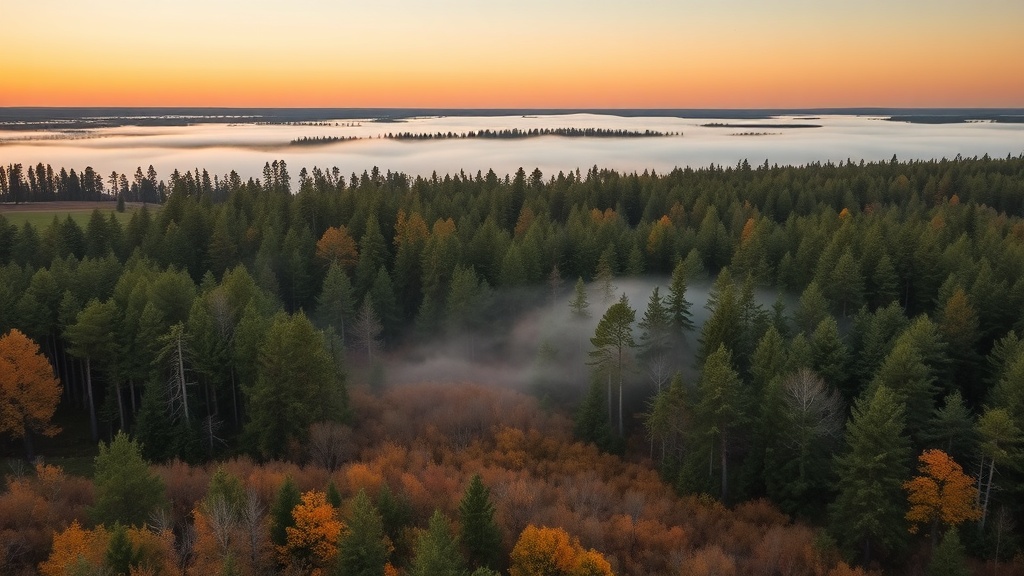 Fall turkey season generally opens in mid-September and runs through November in designated areas. Fall hunting is open across much of the state, though specific hunt units and season lengths vary. Both spring and fall seasons use a unit-based management system, and available hunt units may change from year to year.
For current season dates and hunt period assignments, visit the Michigan hunting seasons page.
Licensing and Tags
Michigan requires a spring or fall turkey license in addition to a valid base hunting license. Spring turkey licenses are allocated through a lottery drawing system, with hunters selecting their preferred hunt unit and period. Draw odds vary by unit and period, with early spring periods in popular southern units being the most competitive. Leftover licenses may be available over the counter after the draw. Residents can expect to pay for a resident hunting license, while nonresidents should budget for the higher nonresident fee.
Fall turkey licenses have been available over the counter in most areas, though availability can vary. Youth hunters may be eligible for discounted or special-draw tags. Nonresidents can apply for the same spring and fall licenses with separate fee structures.
Hunters who draw a spring tag are assigned to a specific hunt period and unit, and hunting outside those parameters is not allowed. For complete licensing information and application deadlines, see the Michigan hunting license guide.
Regulations Highlights
During the spring season, only bearded turkeys (toms and some bearded hens) are legal. Hunters may harvest one turkey per spring license. Shotguns, archery equipment, and crossbows are legal weapons during the spring season. Rifles are generally not allowed for spring turkey in Michigan.
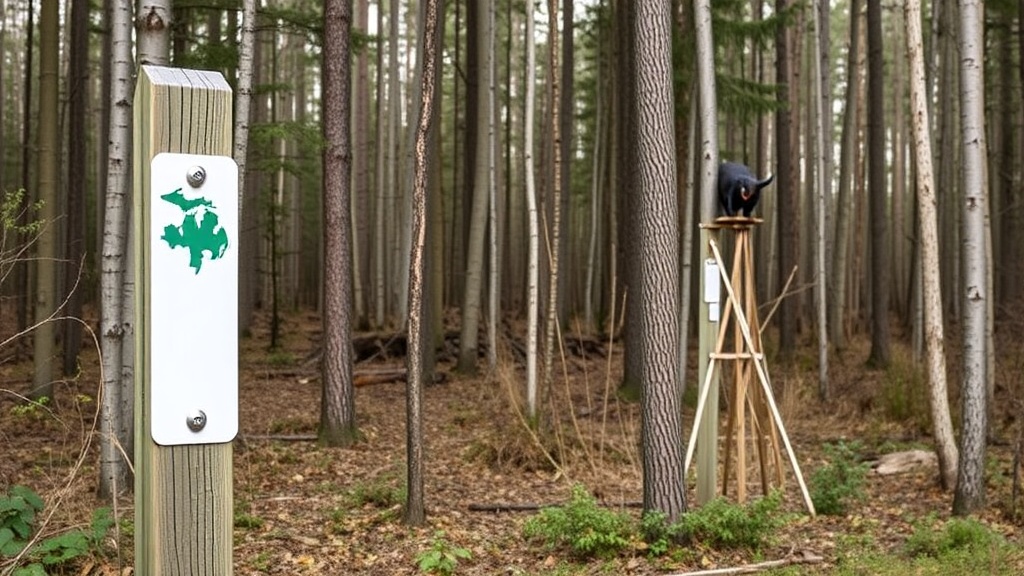 <strong>Season limit:</strong> 2
Fall turkey regulations differ in that either sex is typically legal, and the legal methods may include rifles in certain areas. Bag limits during the fall are usually one bird per license.
<strong>Season limit:</strong> 2
Fall turkey regulations differ in that either sex is typically legal, and the legal methods may include rifles in certain areas. Bag limits during the fall are usually one bird per license.
Electronic calls are prohibited during the spring season but may be legal during the fall. Baiting is not allowed for turkey hunting in Michigan. Hunters must tag their turkey immediately after harvest and report it through the MDNR’s check-in system.
All hunters born after a certain date must have completed a hunter education course. Turkey hunting on state game areas may have additional rules regarding parking, access, and designated hunting zones.
Full regulatory details are available on the Michigan hunting regulations page.
Where to Hunt
Michigan offers millions of acres of public land suitable for turkey hunting. Here are some of the best areas:
Allegan State Game Area – This 50,000-acre property in southwestern Michigan is one of the top turkey areas in the state. The mix of hardwood forest, oak openings, and agricultural edges provides ideal habitat, and birds are vocal during the spring season.
Barry State Game Area – Near Battle Creek, this game area features rolling hardwoods and openings that hold strong turkey populations. It receives moderate hunting pressure but produces birds consistently.
Pere Marquette State Forest – In the northern Lower Peninsula, this forest offers a more remote turkey hunting experience. Turkeys have expanded into the northern hardwoods, and hunting pressure is lighter than in the south.
Rogue River State Game Area – Just north of Grand Rapids, this accessible property holds turkeys in its mix of river bottom, upland forest, and edge habitat. It is a convenient option for hunters in the Grand Rapids and Detroit corridor.
Gratiot-Saginaw State Game Area – Located in central Michigan’s agricultural zone, this area offers excellent turkey habitat where farm fields meet timber and wetland edges.
For additional public land access details, visit the Michigan land access guide.
Tactics and Strategies
Spring turkey hunting in Michigan centers on calling. Setting up before dawn along a roost area and using soft tree yelps to engage a gobbler as he wakes is the classic approach. As the morning progresses, hunters use a combination of yelps, cuts, clucks, and purrs to draw toms into range. Michigan’s relatively flat to rolling terrain in the south allows sound to carry well, and birds can often be heard gobbling from considerable distances.
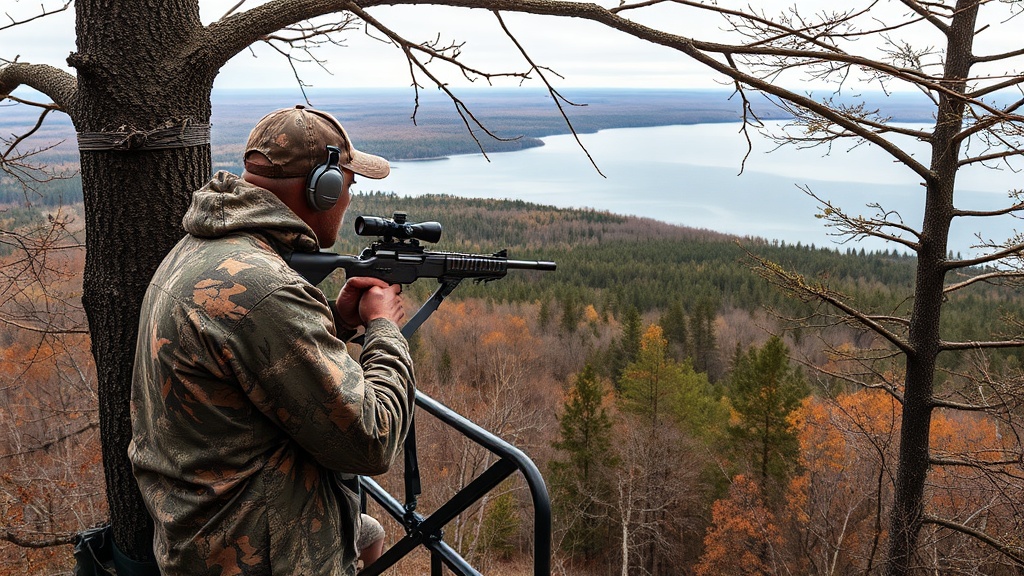 Decoy setups are effective in open fields and forest clearings. A hen decoy paired with a jake or strutting tom decoy can trigger an aggressive response from a dominant gobbler, particularly during the peak breeding weeks in late April and early May. In timber, a single hen decoy or even calling without decoys can be effective when birds are henned up and less willing to travel to open areas.
In northern Michigan, turkeys tend to use larger tracts of forest and respond to calling more cautiously. Patience is key in these areas, as birds may take longer to work in. Hunting logging roads, old orchards, and forest openings in the northern LP and UP can be productive.
Fall turkey hunting relies on different tactics. Scattering a flock and then setting up with a call to regroup the birds is a traditional fall method. Hunters can also pattern turkeys on their daily routes between roost sites and feeding areas and set up ambushes along these travel corridors.
Gear Considerations
Turkey hunting in Michigan requires mobility and concealment. A quality full-camo setup, including gloves and a face mask or face paint, is essential because turkeys have exceptional eyesight. A comfortable, lightweight seat or cushion for extended sits is highly recommended.
For firearms, a 12-gauge or 20-gauge shotgun loaded with turkey-specific loads is the standard. Modern tungsten-based shot has extended effective range and improved pattern density compared to lead. Patterning your shotgun before the season with the specific choke and load combination you plan to use is critical. A tight choke designed for turkey hunting is a worthwhile investment.
Spring mornings in Michigan can range from frosty to mild, so layered clothing that allows quiet movement is ideal. Knee-high rubber boots are useful for crossing wet terrain. A quality turkey vest with a built-in seat, shell loops, and call pockets keeps everything organized and accessible.
Carry a variety of calls, including a box call, slate call, and diaphragm call, to adapt to bird responses. Decoys, a rangefinder, and a headlamp for pre-dawn setups round out the essential kit.
See the gear reviews section for more equipment recommendations.
Plan Your Hunt
Michigan’s turkey hunting has come a long way, and the state now offers some of the best Eastern wild turkey hunting in the Great Lakes region. Use these resources to prepare:
- Turkey Hunting Guide – Biology, behavior, and calling fundamentals
- Michigan Location Hub – Statewide hunting opportunities
- Scouting Basics – How to locate roost sites and travel routes
- First-Time Hunter Checklist – Preparation for your first hunt
Explore Related Topics:
Notice an update we should make?
We strive for accuracy. Contact us here if you see incorrect or outdated info on this page.