Kansas is one of the top turkey hunting destinations in the United States, particularly for nonresident hunters seeking accessible permits and quality birds. Adult toms typically weigh 11–24 lbs (toms), 5–12 lbs (hens), and the state holds strong populations of both Eastern and Rio Grande subspecies. The state holds strong populations of two wild turkey subspecies: Eastern turkeys dominate the eastern half of Kansas, while Rio Grande turkeys are found in the central and western portions. This dual-subspecies opportunity, combined with Kansas’s relatively affordable nonresident permits and over-the-counter tag availability, makes the state a go-to choice for spring turkey hunters from across the country. The Kansas Department of Wildlife and Parks (KDWP) manages turkey populations through structured seasons and harvest reporting.
| Season Type | Opens | Closes | Notes |
|---|---|---|---|
| Spring | April 1, 2026 | May 31, 2026 | Spring turkey season. Bearded turkeys only. Shotgun, archery, and crossbow permitted. |
| Spring Youth | March 28, 2026 | March 30, 2026 | Youth spring turkey season. Hunters 16 and younger. |
| Fall | October 1, 2025 | November 30, 2025 | Fall turkey season. Either sex. Archery and firearms. |
Kansas turkeys thrive in the river bottomlands, timbered creek corridors, and Flint Hills tallgrass prairie that define the state’s landscape. Eastern turkeys concentrate along the wooded river systems and hardwood bottomlands of the eastern third, while Rio Grande turkeys inhabit the shelter belts, cottonwood draws, and ranch country of the central and western plains. Hunters near Wichita, Topeka, and Manhattan all have access to productive turkey ground. The transition zone where the two subspecies overlap offers the unique possibility of encountering both on a single hunt.
Always verify current season dates, bag limits, and legal requirements through the official KDWP regulations before heading afield. Rules can change year to year and may differ between spring and fall seasons.
Season Overview
Kansas offers both spring and fall turkey seasons. The spring season is by far the most popular and typically runs from mid-April through the end of May, covering the peak of gobbling activity. Spring season may be divided into units or periods, with youth-only hunts opening before the general season to give young hunters first access to unpressured birds.
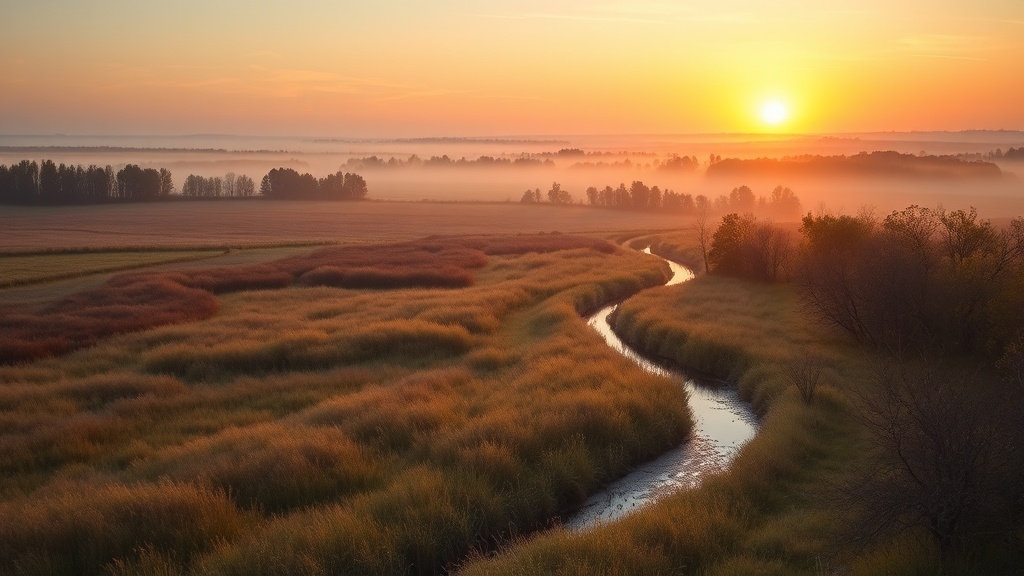 The fall season is generally shorter and may have different bag limits than the spring season. Fall turkey hunting in Kansas tends to attract less participation, offering a quieter experience in the field.
For full season details, visit the Kansas hunting seasons page.
Licensing and Tags
Kansas turkey permits are available to both residents and nonresidents. Spring turkey permits are among the most accessible in the Midwest, as nonresident tags are typically available over the counter without a draw or lottery. This is a key reason Kansas draws so many out-of-state turkey hunters each year. Residents can expect to pay $27.50 for a resident hunting license, while nonresidents should budget for the higher $97.50 nonresident fee.
Hunters need a valid Kansas hunting license plus a turkey permit for each season they plan to hunt. Additional game tags may be available for a second bird, depending on the season and unit. Landowner and tenant permits provide special opportunities for those who own or work agricultural land in the state.
For a complete breakdown of license types and how to purchase them, see the Kansas hunting license guide.
Regulations Highlights
Kansas turkey regulations cover legal methods, bag limits, and reporting requirements. Key rules include:
 <strong>Season limit:</strong> 2
- Bag limits: Spring bag limits typically allow one or two bearded turkeys. Fall bag limits may differ and can include either-sex harvest depending on the year and unit.
- Legal weapons: Shotguns, archery equipment including crossbows, and muzzleloading shotguns are the primary legal weapons for turkey. Rifles are generally not permitted for turkey hunting.
- Shot restrictions: Non-toxic shot may be required on certain public lands. Check the regulations for the specific area you plan to hunt.
- Hunting hours: Turkey hunting is typically legal from one-half hour before sunrise to a specified afternoon cutoff or sunset, depending on the season period.
- Tagging and reporting: All harvested turkeys must be tagged immediately and checked in through the KDWP reporting system.
Review the full set of rules on the Kansas hunting regulations page.
Where to Hunt
Kansas offers extensive public access for turkey hunters, with the Walk-In Hunting Access (WIHA) program providing millions of acres of private land open to public hunting. In addition to WIHA tracts, several wildlife areas and public lands are known for quality turkey hunting:
Flint Hills WIHA tracts – The tallgrass prairie draws, creek bottoms, and scattered timber of the Flint Hills hold Eastern turkeys that roost along waterways and feed in open grasslands. WIHA maps are updated annually and available from KDWP.
Clinton Wildlife Area – Near Lawrence, this area includes riparian timber and agricultural edges along the Wakarusa River where Eastern turkeys are abundant.
Tuttle Creek Wildlife Area – In the Flint Hills region near Manhattan, Tuttle Creek features limestone bluffs, creek timber, and grassland edges that harbor strong turkey numbers.
Cimarron National Grassland – In far southwest Kansas, this large public tract holds Rio Grande turkeys along cottonwood creek draws and shelter belts. The open country requires a different approach than eastern Kansas timber hunting.
Fall River Wildlife Area – In southeastern Kansas, this area provides a mix of prairie, timber, and reservoir habitat with a healthy Eastern turkey population.
For more on public and private land access options, including the WIHA program, visit the Kansas hunting land page.
Tactics and Strategies
Kansas turkey hunting tactics differ by subspecies and terrain. In the eastern half of the state, Eastern turkeys roost in tall hardwoods along river and creek bottoms, then fly down to strut in fields, pastures, and openings adjacent to the timber. Classic spring tactics apply: set up before dawn within calling distance of a roosted gobbler, use hen yelps and cuts to pull him to your position after fly-down, and be patient. Eastern turkeys in Kansas can be vocal and responsive to calling, especially in the first weeks of the spring season.
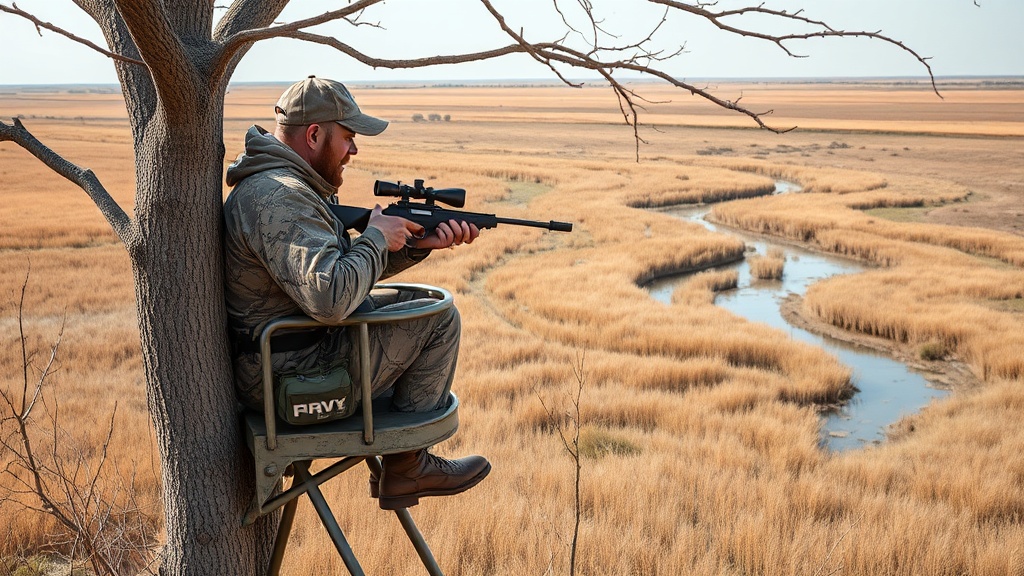 In central and western Kansas, Rio Grande turkeys behave differently. They often roost in cottonwoods along creeks or in shelter belts, and they may travel long distances across open grassland and pasture to reach feeding and strutting areas. Glassing from a vehicle or high point to locate flocks, then making a strategic setup ahead of their travel route, is a productive approach. Decoys are particularly effective for Rio Grande turkeys in open terrain, as gobblers can see them from a distance.
Regardless of subspecies, mid-morning hunting can be productive in Kansas as hens begin to nest and leave gobblers searching for company. Patience, realistic calling, and choosing a setup with good visibility in the direction you expect the bird to approach are fundamental to success.
Gear Considerations
Kansas spring turkey season spans mild to warm conditions, though early mornings in April can be cool, especially with the state’s characteristic wind. Wind management is a real factor in Kansas turkey hunting, affecting calling effectiveness and setup choices.
Key gear for Kansas turkey hunting includes:
- A 12-gauge or 20-gauge shotgun with a tight turkey choke and quality turkey loads. Many hunters are switching to TSS (Tungsten Super Shot) for extended effective range.
- Full camouflage clothing suited for warm afternoons and cool mornings
- A quality turkey vest with a built-in seat cushion, call pockets, and shell holders
- A selection of calls including a box call, slate call, and diaphragm calls for varying conditions. Box and slate calls carry well in Kansas wind.
- Realistic hen and tom decoys, especially useful for hunting Rio Grande turkeys in open country
- Comfortable, snake-resistant hunting boots for walking prairie and creek bottoms
For detailed gear recommendations, visit the gear hub.
Plan Your Hunt
Kansas stands out as one of the most accessible and productive turkey hunting states in the country, offering two subspecies, generous tag availability, and vast public access. Use these resources to build your hunt plan:
- Turkey Hunting Guide – Biology, behavior, and calling strategies
- Kansas Location Hub – Overview of hunting opportunities across the state
- Scouting Basics – How to locate roosting and strutting areas
- First-Time Hunter Checklist – Everything you need before your first hunt
Explore Related Topics:
Notice an update we should make?
We strive for accuracy. Contact us here if you see incorrect or outdated info on this page.