Iowa offers strong turkey hunting for the Eastern wild turkey, the only subspecies found in the state. Adult toms typically weigh 11–24 lbs (toms), 5–12 lbs (hens) and thrive in the timber corridors, river bottoms, and agricultural edges that define Iowa’s landscape. Since successful reintroduction efforts began in the 1960s, Iowa’s turkey population has expanded across the state, thriving in the timber corridors, river bottoms, and agricultural edges that define the landscape. The Iowa Department of Natural Resources (IADNR) manages turkey populations through a zone-based permit system for both spring and fall seasons, ensuring sustainable harvest levels while providing quality hunting opportunities.
| Season Type | Opens | Closes | Notes |
|---|---|---|---|
| Spring Youth | April 5, 2026 | April 6, 2026 | Youth-only spring turkey season. Bearded turkeys only. Youth must be 15 or younger. |
| Spring | April 14, 2026 | May 31, 2026 | Spring turkey season. Bearded turkeys only. Shotguns, bows, and crossbows permitted. |
| Fall | October 13, 2025 | December 5, 2025 | Fall turkey season. Either sex. Available in select zones only. |
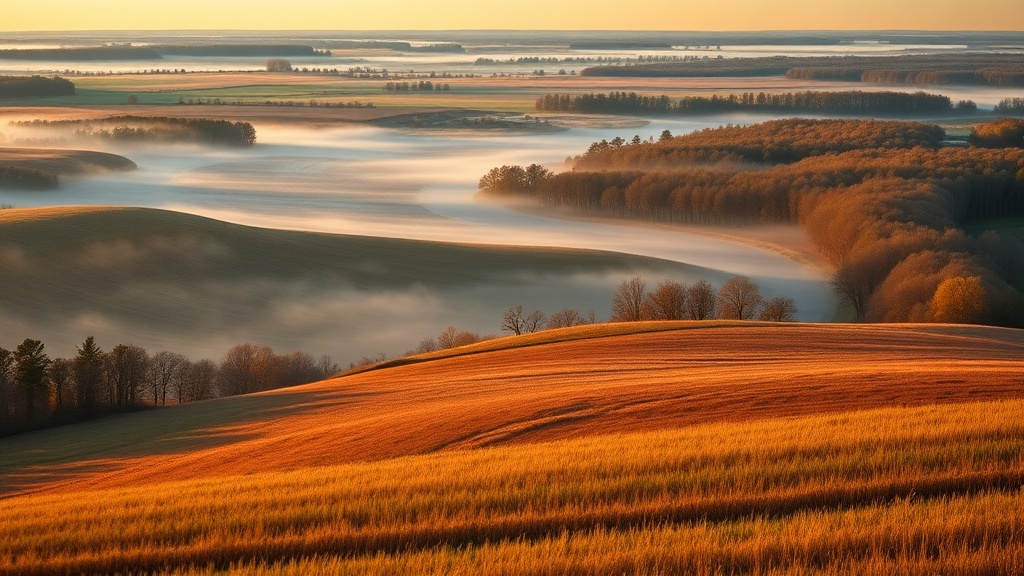
Iowa’s turkeys are concentrated in areas with a mix of mature timber for roosting and nesting, open ground for strutting and feeding, and agricultural fields that provide food sources from waste grain to insects in spring. The rolling prairie terrain of central Iowa transitions to timbered bluffs and bottomlands along the Mississippi River to the east and the Missouri River and loess hills to the west. Hunters near Des Moines, Cedar Rapids, and Dubuque all have access to productive turkey country. Southern Iowa’s larger timber tracts and rougher terrain are particularly well known for holding high turkey densities.
Always confirm current season dates, bag limits, and legal requirements through the official IADNR regulations before heading afield. Iowa uses a zone-based system with specific application periods.
Season Overview
Iowa offers both spring and fall turkey seasons. The spring season is the primary hunting opportunity and typically begins in mid-April and extends through late May. Spring season is often divided into multiple periods, with early periods filled through a preference-point draw and later periods available over the counter. A youth-only season opens before the general spring season, giving young hunters early access to unpressured gobblers.
 The fall season runs during the autumn months, generally overlapping with archery deer season. Fall turkey hunting in Iowa provides a quieter experience with less competition, and the tactics differ significantly from spring hunting.
For full season details, visit the Iowa hunting seasons page.
Licensing and Tags
Iowa requires a valid hunting license and a turkey license for each season. Spring turkey licenses are allocated through a zone-based system. Residents may apply for preferred zones and periods, with preference points accumulating for unsuccessful applicants. Nonresidents can also apply for spring turkey licenses, though availability and allocation may be more limited than for residents. Residents can expect to pay $19.00 for a resident hunting license, while nonresidents should budget for the higher $116.00 nonresident fee.
Fall turkey licenses are generally more accessible and may be available over the counter in most zones. Each turkey license is valid for one bird, and hunters must carry the appropriate tag in the field. Landowners and tenants may have access to special turkey hunting opportunities on their own land.
For a complete breakdown of license types and how to apply, see the Iowa hunting license guide.
Regulations Highlights
Iowa’s turkey regulations are zone-specific and vary between spring and fall seasons. Key rules include:
 <strong>Season limit:</strong> 2
- Bag limits: Spring season typically allows one bearded turkey per license. Fall season may allow one turkey of either sex, depending on the zone and year.
- Legal weapons: Shotguns, archery equipment including crossbows, and muzzleloading shotguns are the legal methods for turkey hunting in Iowa. Rifles are not permitted for turkey.
- Shot restrictions: Specific shot size requirements apply, and non-toxic shot may be required on certain public lands.
- Hunting hours: Spring turkey hunting is legal from one-half hour before sunrise to sunset in most periods, though some early periods may have afternoon-only restrictions or other time limitations.
- Blaze orange: Not generally required during spring turkey season but recommended when moving through areas with other hunting activity.
- Tagging and reporting: All harvested turkeys must be tagged before being moved and reported through the IADNR’s electronic reporting system.
Review the full set of rules on the Iowa hunting regulations page.
Where to Hunt
Iowa offers public turkey hunting on state forests, wildlife management areas, and county conservation lands. Key public land destinations include:
Shimek State Forest – In southeastern Iowa, Shimek features over 9,000 acres of mature hardwood timber, rolling ridges, and creek bottoms that provide excellent roosting and strutting habitat for Eastern turkeys.
Stephens State Forest – Located in south-central Iowa, this multi-unit forest provides a mix of timber, grassland, and agricultural edges. Turkey populations are strong, and the varied terrain offers multiple setup options.
Yellow River State Forest – In the driftless area of northeast Iowa near the Mississippi River, the steep bluffs and deep hollows of this forest hold turkeys that roost on ridgelines and strut in small openings along the valleys. The rugged terrain limits pressure.
Shimek and Farmington area WMAs – Several wildlife management areas in the southeastern corner of Iowa cluster together to provide a large block of public hunting land with strong turkey numbers in timber and edge habitat.
Loess Hills State Forest – The unique loess hills terrain along Iowa’s western border provides roosting timber in the draws and open ridgetops where gobblers strut. The distinctive landscape offers a memorable hunting experience.
For more on public and private land access options, visit the Iowa hunting land page.
Tactics and Strategies
Iowa turkey hunting centers on the Eastern subspecies in a landscape of timber pockets surrounded by agricultural prairie. The primary spring strategy is locating roosted gobblers the evening before or at first light, then setting up within calling range to work the bird after fly-down. Iowa turkeys typically roost in mature oaks and cottonwoods along creek corridors and river bluffs, then fly down to strut in adjacent fields, pastures, and forest openings.
 In southern Iowa’s larger timber tracts, hunting inside the woods along logging roads, ridgeline benches, and natural clearings is effective. Gobblers often strut on elevated terrain where they have visibility, and setting up just below a ridgetop where a bird is gobbling allows you to call him over the rise and into range without him seeing your position from a distance.
In the more open agricultural areas of central and northern Iowa, turkeys use smaller woodlots and shelterbelts for roosting, then move into crop fields. Field-edge setups with decoys are highly productive in these situations. A hen decoy combined with a strutting tom decoy can pull a gobbler across an open field from several hundred yards.
As the spring season progresses and hens begin to nest, gobblers become more responsive to calling during mid-morning and midday. Adjusting your schedule to hunt later in the morning, covering ground and calling to locate lonely toms, is a proven late-season approach in Iowa.
Gear Considerations
Iowa’s spring turkey season occurs during moderate weather, though mornings in April can be cold and rain is always a possibility. The variable spring conditions demand versatile clothing.
Key gear for Iowa turkey hunting includes:
- A 12-gauge or 20-gauge shotgun with a quality turkey choke and modern turkey loads. TSS ammunition provides dense patterns at extended range and is growing in popularity.
- Full camouflage clothing with layers for cool mornings and a rain-resistant outer shell
- A turkey vest with a built-in cushioned seat for long sits against trees
- Multiple call types: diaphragm calls for hands-free use, a slate call for realistic purrs and yelps, and a box call that carries in wind
- Hen and tom decoys for field-edge setups
- Waterproof hunting boots for navigating muddy timber bottoms and creek crossings in spring
For detailed gear recommendations, visit the gear hub.
Plan Your Hunt
Iowa’s healthy Eastern turkey population and diverse public land options make it a rewarding spring and fall turkey hunting destination. Use these resources to plan your trip:
- Turkey Hunting Guide – Biology, behavior, and calling strategies
- Iowa Location Hub – Overview of hunting opportunities across the state
- Scouting Basics – How to locate roosting and strutting areas
- First-Time Hunter Checklist – Everything you need before your first hunt
Explore Related Topics:
Notice an update we should make?
We strive for accuracy. Contact us here if you see incorrect or outdated info on this page.