Idaho’s turkey hunting has grown steadily as wild turkey populations have expanded across the state. Adult toms typically weigh 11–24 lbs (toms), 5–12 lbs (hens), and both Merriam’s and Rio Grande subspecies are present across the state’s diverse terrain. Both Merriam’s and Rio Grande subspecies are present, thriving in the river corridors, foothills, and mixed-timber habitats from the Snake River Plain to the Clearwater region. The Idaho Department of Fish and Game (IDFG) manages turkey populations through spring and fall seasons that provide accessible hunting for residents and nonresidents alike.
| Season Type | Opens | Closes | Notes |
|---|---|---|---|
| Spring | April 15, 2026 | May 25, 2026 | Both general and controlled hunts available depending on zone. |
| Fall | September 15, 2025 | November 20, 2025 | Available in select units. |
Turkeys in Idaho are found in a variety of habitats. Merriam’s inhabit the mountainous regions, favoring ponderosa pine and mixed-conifer forests at moderate elevations. Rio Grande turkeys occupy lower-elevation river bottoms and agricultural areas, particularly along the Snake River and its tributaries. The two subspecies overlap in some areas, and hybrid birds are encountered. Boise, Idaho Falls, and Coeur d’Alene provide access to productive turkey range, with some of the best hunting found in the south-central and west-central parts of the state.
Always verify current season dates, bag limits, and unit-specific regulations through the official IDFG resources before heading afield. Turkey hunting rules can change annually.
Season Overview
Idaho offers both spring and fall turkey seasons. The spring season typically opens in mid-April and extends into May, covering the peak gobbling period when toms are actively breeding and highly responsive to calling. The fall season generally runs from mid-August or September through late fall or early winter, providing a lengthy window for hunters.
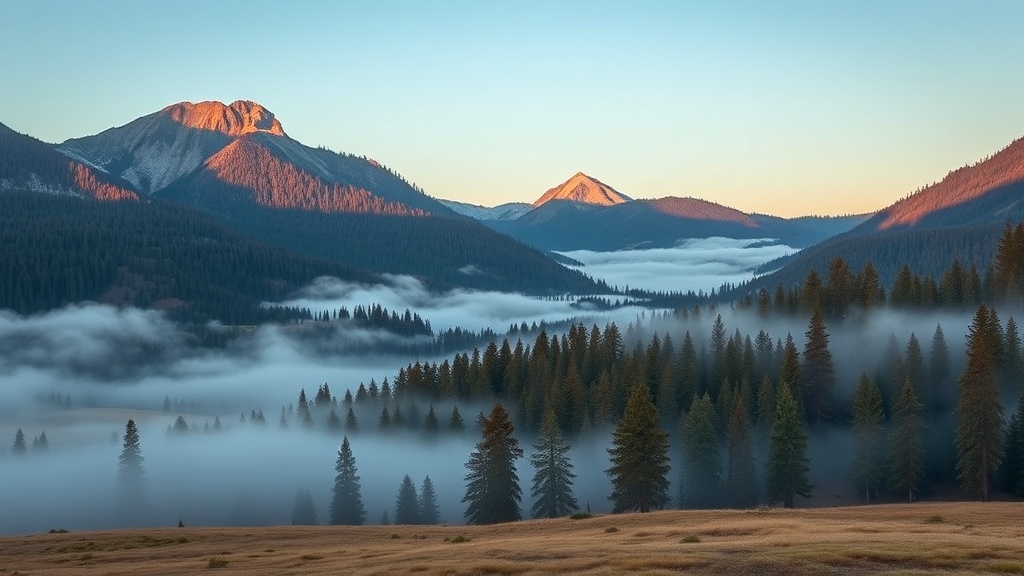 Spring hunting is the most popular season for turkey in Idaho, as gobblers are vocal and willing to come to calls. Fall hunting presents a different dynamic, with birds grouped in flocks and less responsive to spring-style calling tactics. Season dates may vary by zone or unit, so confirm the specific dates for your area.
For full season details, visit the Idaho hunting seasons page.
Licensing and Tags
Idaho turkey tags are relatively accessible compared to many big-game species. Spring turkey tags are available through a controlled-hunt draw in some units, while others offer over-the-counter availability. Fall turkey tags are generally available over the counter. The state may allow hunters to purchase more than one tag per season depending on the season and availability. Residents can expect to pay $15.75 for a resident hunting license, while nonresidents should budget for the higher $154.75 nonresident fee.
Nonresidents can purchase Idaho turkey tags, and availability is generally good, especially for fall seasons and less-pressured spring units. All hunters need a valid Idaho hunting license in addition to their turkey tag.
For a complete breakdown of license types, application procedures, and how to purchase tags, see the Idaho hunting license guide.
Regulations Highlights
Idaho turkey hunting regulations are organized by game management unit. Key rules include:
 <strong>Season limit:</strong> 2
- Bag limits: Spring season typically allows one bearded turkey per tag. Fall season may allow either sex. The number of tags available per hunter may vary by season.
- Legal weapons: Shotguns and archery equipment are the primary legal weapons for turkey. Minimum gauge, shot size, and draw-weight requirements may apply. Check specific rules regarding rifle use, as it may be restricted or prohibited during turkey season in some areas.
- Calling and decoys: All manual calls and decoys are legal. Electronic calls are prohibited.
- Shooting hours: Turkey hunting hours are typically from one-half hour before sunrise to sunset, though this can vary.
- Hunter education: All first-time hunters must complete a certified hunter education course.
Review the full set of rules on the Idaho hunting regulations page.
Where to Hunt
Idaho’s public land abundance gives turkey hunters excellent access across the state. Key areas for turkey hunting include:
- Boise National Forest – The foothills and river drainages north and east of Boise hold growing turkey populations in mixed pine and brushy habitats. Access is good along forest roads, and the proximity to Boise makes this a popular option.
- Payette National Forest – West-central Idaho’s Payette Forest provides turkey habitat in the lower-elevation river corridors and ponderosa pine zones. The South Fork of the Salmon River and the Weiser River drainages are productive areas.
- Nez Perce-Clearwater National Forests – The lower-elevation drainages in these forests hold turkeys, particularly in the transition zones between river bottoms and timbered hillsides. Concentrate on south-facing slopes where birds roost and feed.
- BLM lands along the Snake River corridor – The sagebrush and cottonwood habitats along the Snake River and its tributaries in southern Idaho support Rio Grande turkeys. BLM access points provide walk-in hunting near agricultural areas.
- C.J. Strike Wildlife Management Area – Located along the Snake River southwest of Boise, this WMA and surrounding public land offer turkey hunting in riparian and upland habitats.
For more on public and private land access, visit the Idaho hunting land page.
Tactics and Strategies
Turkey hunting in Idaho requires adapting to the western landscape. The terrain is more open than the eastern hardwood forests most turkey hunters are familiar with, and birds can see for long distances across meadows, canyon rims, and open pine parks.
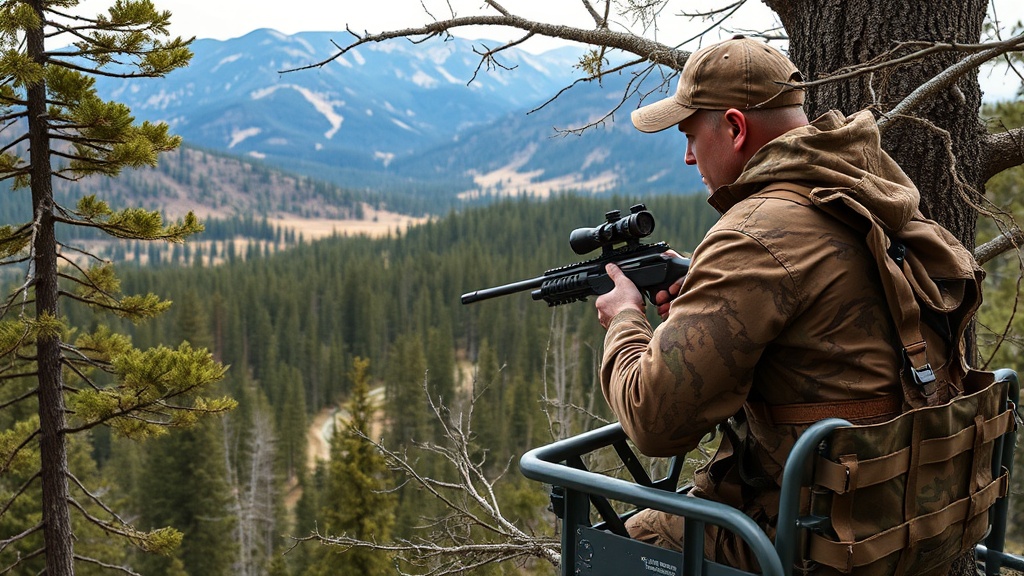 In the spring, start by roosting birds the evening before. Listen for gobbling from ridge tops or canyon rims at dawn. Merriam’s turkeys in Idaho often roost in tall ponderosa pines or Douglas firs along creek drainages and fly down to open meadows and road clearings to strut. Set up within calling range before daylight, position decoys in a visible opening, and use a mix of soft yelps and clucks to draw gobblers off the roost.
Idaho’s canyon and ridge terrain can work in your favor for stalking into position, but it can also create challenges with sound direction. Gobbles echo off rock walls and steep slopes, so take time to confirm a bird’s location before committing to a setup. If a bird hangs up out of range, try repositioning to a new vantage point rather than calling louder.
In the fall, locate flocks by scouting agricultural fields, open ridges, and water sources. Scattering a flock and calling birds back is a proven fall tactic. Fall birds are often found in large mixed flocks, and patience is key.
For Rio Grande birds along the river bottoms, focus on the interfaces between agricultural fields and cottonwood or willow cover. These birds behave more like their southern-plains counterparts, using open ground near food sources.
Gear Considerations
Idaho turkey hunts can span a wide range of conditions depending on elevation and time of year. Spring mornings at higher elevations can be cold, with snow still on the ground in April, while lower-elevation Snake River hunts may be mild and dry. Fall hunts can bring anything from warm early-season weather to late-season cold.
Key gear for Idaho turkey hunting includes:
- A 12-gauge or 20-gauge shotgun with a tight turkey choke, loaded with quality turkey loads
- Full camouflage clothing matched to the terrain, whether pine timber, sagebrush, or cottonwood bottoms
- A turkey vest with a seat pad, call pockets, and a game pouch
- Multiple call types, including a diaphragm, box call, and slate call for versatility
- Decoys suitable for open-terrain setups where visibility is high
- Warm base layers for cold spring mornings, with the ability to shed layers as temperatures rise
For detailed gear recommendations, visit the gear hub and the game calls guide.
Plan Your Hunt
Idaho turkey hunting combines western scenery with accessible tags and growing bird populations. Whether you are calling in a Merriam’s gobbler in the high pines or working a Rio Grande tom along a Snake River bottom, preparation and scouting pay dividends. These resources will help:
- Turkey Hunting Guide – biology, behavior, and general strategies
- Idaho Location Hub – overview of hunting in the Gem State
- Scouting Basics – how to read sign and pattern game
- First-Time Hunter Checklist – everything you need before your first hunt
Explore Related Topics:
Notice an update we should make?
We strive for accuracy. Contact us here if you see incorrect or outdated info on this page.