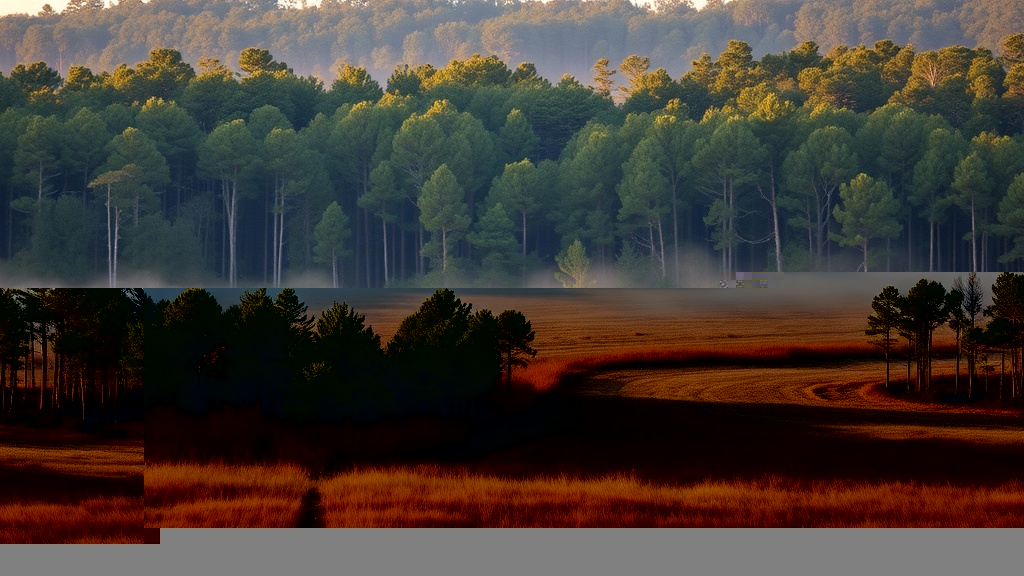
Georgia is one of the premier turkey hunting states in the Southeast, with strong populations of Eastern wild turkeys spread across nearly every county. Adult toms typically weigh 11–24 lbs (toms), 5–12 lbs (hens) and are found from the Blue Ridge Mountains to the Coastal Plain. From the oak-hickory ridges of the Blue Ridge Mountains to the longleaf pine flats and river swamps of the Coastal Plain, the state provides a wide range of terrain and hunting experiences for spring gobbler chasers.
| Season Type | Opens | Closes | Notes |
|---|---|---|---|
| Spring | March 22, 2026 | May 15, 2026 | Gobblers and bearded hens only. Statewide spring turkey season. |
| Youth | March 14, 2026 | March 15, 2026 | Youth spring turkey weekend. Hunters 15 and under. |
The Georgia Department of Natural Resources (GADNR) has invested decades in restoring the wild turkey population, and those efforts have paid off with a thriving statewide flock. Georgia’s warm spring mornings, long season, and generous bag limits make it a popular destination for both resident and traveling turkey hunters. The state’s Piedmont region around Macon and the agricultural corridors near Atlanta and Savannah all hold huntable bird numbers.
As with any hunt, always verify the current season dates and regulations with the GADNR before heading into the field. Rules can change, and specific WMAs may carry additional restrictions.
Season Overview
Georgia’s turkey season is focused on the spring gobbler season, which typically runs from mid-March through mid-May. The season is structured so that earlier portions may be limited to certain regions or methods, while the bulk of the season is open statewide for shotgun and archery hunting.
 A fall turkey season is also available in some years and in specific areas, though it is more limited in scope and participation compared to the spring season.
Spring timing in Georgia means gobblers are often vocal by mid-March in the southern counties, with peak breeding activity generally occurring from late March through April. The season length gives hunters the chance to pursue birds across the full arc of the breeding cycle, from early-season henned-up toms to late-season lonely gobblers that respond aggressively to calling.
Check the Georgia hunting season page for current dates and any zone-specific structures.
Licensing and Tags
Turkey hunters in Georgia need a valid hunting license and a big game license that covers turkey. There is no separate turkey tag system; instead, hunters must observe a seasonal bag limit and report each harvest through the GADNR’s electronic Game Check system on the day the bird is taken. Residents can expect to pay $15.00 for a resident hunting license, while nonresidents should budget for the higher $200.00 nonresident fee.
Hunters pursuing turkeys on WMAs may need a WMA license and, for certain quota hunts, must apply through a lottery. Youth hunters may qualify for reduced licensing requirements.
For details on what you need and where to buy it, visit the Georgia hunting license guide.
Regulations Highlights
Key turkey hunting regulations in Georgia include:
 <strong>Season limit:</strong> 3
- Legal birds – Only male turkeys (gobblers) and turkeys with visible beards may be harvested during the spring season.
- Shooting hours – Hunting begins at a designated time in the morning and ends at a set time in the afternoon. Times may vary by season segment.
- Legal weapons – Shotguns and archery equipment are the primary legal methods during the spring season.
- Electronic calls – Georgia permits the use of electronic calls during the spring turkey season, though many hunters rely on traditional mouth calls, box calls, and pot calls.
- Decoys are legal on both public and private land.
- Blaze orange is not required during spring turkey season but is recommended when moving between setups.
- Roost shooting is prohibited. Hunters may not shoot turkeys in or from a tree.
For all rules, see the Georgia hunting regulations page.
Where to Hunt
Georgia’s public land system provides excellent turkey hunting opportunities. Top areas include:
- Cohutta WMA – Located in the mountains of northwest Georgia, Cohutta’s steep hardwood ridges are home to vocal mountain gobblers. The terrain limits hunting pressure and rewards those willing to hike.
- Oconee WMA – In the Piedmont region, this WMA offers a mix of hardwoods and pine with open areas that turkeys use for strutting and feeding.
- Chickasawhatchee WMA – This large southwest Georgia WMA features open pine and agricultural edge habitat that holds strong turkey populations.
- Di-Lane WMA – A popular Coastal Plain destination with a mix of planted pines, hardwood bottoms, and food plots that attract turkeys.
- Chattahoochee National Forest – The vast national forest lands in north Georgia provide thousands of acres of huntable turkey habitat along mountain ridges and in cove hardwoods.
For more public hunting areas, visit the Georgia land access guide.
Tactics and Strategies
Turkey hunting in Georgia varies by region but consistently rewards patience and good calling.
 Mountains (Blue Ridge). Mountain gobblers roost in tall hardwoods along ridge tops and fly down to benches, old roads, and open areas. Getting above the birds or setting up on the same contour where they like to strut is key. Early morning is prime time, but mountain birds will gobble well into mid-morning on cool, clear days. Terrain funnels like saddles and logging roads channel turkey movement and create ambush opportunities.
Piedmont. The rolling hills and mixed timber of the Piedmont produce strong gobbling activity. Set up along field edges, powerline clearings, and creek bottoms where turkeys travel between roosting and feeding areas. Patience with yelps and soft calling often works better than aggressive calling in these areas, especially on pressured public land.
Coastal Plain. Flat terrain and open pine stands give turkeys long sight lines, which means they expect to see what they hear. Using decoys effectively is often critical in this region. Set up in open areas where birds can approach from a distance. River bottom hardwoods also hold birds that travel along the timber edges.
Across all regions, scouting before the season is essential. Listen for gobbling at dawn to locate roosting areas, look for tracks and scratchings in soft ground, and identify strutting zones in open areas.
Gear Considerations
Spring turkey hunting in Georgia means warm to hot weather. Lightweight, breathable camouflage is essential, and insect protection is a high priority. Ticks and chiggers are abundant across the state from March through May, so permethrin-treated clothing and quality bug spray should be part of your kit.
A 12-gauge or 20-gauge shotgun loaded with turkey-specific loads is the standard weapon. Tight choke tubes designed for turkey hunting extend effective range and improve pattern density. Practice patterning your gun before the season to know your effective distance.
A quality turkey vest with a built-in seat pad makes long sits against a tree far more comfortable. Carry a selection of calls – a mouth call for hands-free operation, a box call for volume, and a slate or pot call for versatility. Lightweight, packable decoys can be a major advantage, especially in open terrain.
Good hunting boots with snake protection are a wise investment for spring hunts in Georgia, where venomous snakes are active during turkey season. For additional gear guidance, visit the gear section.
Plan Your Hunt
Georgia’s long spring season, strong turkey population, and varied terrain make it a top-tier destination for gobbler hunters. Build your hunt plan with these resources:
- Turkey Hunting Guide – Biology, calling techniques, and strategies
- Georgia Location Hub – Overview of hunting opportunities statewide
- Scouting Basics – How to find birds before the season
- First-Time Hunter Checklist – Essential preparation for new hunters
Explore Related Topics:
Notice an update we should make?
We strive for accuracy. Contact us here if you see incorrect or outdated info on this page.