Florida holds a special place in the turkey hunting world as the only state where hunters can pursue the Osceola turkey, a subspecies found nowhere else on earth. Adult toms typically weigh 11–24 lbs (toms), 5–12 lbs (hens), and their dark, iridescent plumage makes them one of the most striking birds a hunter can pursue. The Florida Fish and Wildlife Conservation Commission (FWC) manages turkey populations across the state’s unique landscape of pine flatwoods, palmetto prairies, cypress swamps, and oak hammocks. In addition to the Osceola, Eastern turkeys are found in the panhandle region, giving Florida two huntable subspecies.
| Season Type | Opens | Closes | Notes |
|---|---|---|---|
| Spring | March 1, 2026 | April 25, 2026 | Spring turkey season. Gobblers and bearded turkeys only. Youth weekend precedes regular opener. |
| Youth | February 21, 2026 | February 22, 2026 | Youth spring turkey weekend. Hunters 15 and under. |
The Osceola turkey is one of the most sought-after birds for hunters working on a wild turkey Grand Slam. These birds are darker in coloration than Eastern turkeys, with less white barring on the wing feathers and iridescent green-black body plumage. They are well adapted to Florida’s wet, dense habitats and are considered one of the more challenging subspecies to hunt due to their wariness and the difficult terrain they inhabit.
Turkey hunters in Florida should always check the current FWC regulations before heading afield, as season dates, bag limits, and WMA-specific rules can change from year to year.
Season Overview
Florida’s spring turkey season is divided into multiple zones with staggered opening dates. The season generally opens in early to mid-March in the southern zones and progresses northward, with the panhandle zone opening last, typically in mid-March to early April. Spring season usually runs through late April or early May, depending on the zone.
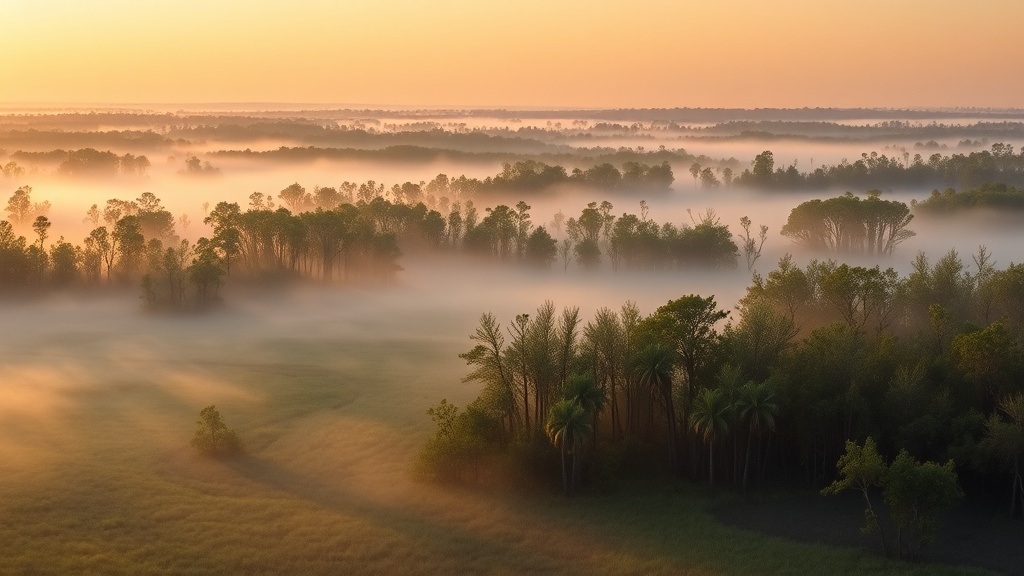 Florida does not offer a general fall turkey season. The spring-only structure is designed to protect breeding hens and maintain healthy turkey populations. Youth turkey hunting weekends provide an early opportunity for young hunters before the general season opens.
Season dates and zone boundaries vary, so always verify the current structure before planning your trip. Visit the Florida hunting seasons page for current information.
Licensing and Tags
Turkey hunting in Florida requires a valid hunting license and a turkey permit. The turkey permit is a separate add-on that must be purchased in addition to the base hunting license. Both residents and nonresidents have license options available. Residents can expect to pay $17.00 for a resident hunting license, while nonresidents should budget for the higher $151.50 nonresident fee.
For hunting on WMAs, a management area permit is typically required. Some popular WMAs operate under a quota system, where a limited number of permits are issued through a random draw. Quota hunt applications are usually submitted through the FWC’s online system during a designated application period.
There is no lottery or draw system for general-area spring turkey tags on private land. Tags are available over the counter with the appropriate permits.
For complete license information, see the Florida hunting license guide.
Regulations Highlights
Key turkey hunting regulations in Florida include:
 <strong>Daily limit:</strong> 1 | <strong>Season limit:</strong> 2
- Bag limits: The spring bag limit is typically two gobblers (bearded turkeys) per season. Only bearded birds are legal during the spring season.
- Legal weapons: Shotguns (20-gauge or larger), bows, crossbows, and muzzleloading shotguns are legal for turkey hunting. Rifles and handguns are not legal for turkey hunting in Florida.
- Shot size and type: Hunters may use shot sizes no larger than #2 for turkeys.
- Hunting hours: Legal shooting hours are from one half hour before sunrise to one hour after solar noon during the spring season. Afternoon hunting is prohibited.
- Decoys and calls: Legal for use during the spring season.
- Reporting: Hunters must report their turkey harvest through FWC’s reporting system.
- No fall season: Turkey hunting is restricted to the spring season only.
Review the full regulations on the Florida hunting regulations page.
Where to Hunt
Florida offers excellent public land turkey hunting across its WMA system. Top areas for turkey include:
- Three Lakes Wildlife Management Area – Located in Osceola County, this is one of the best public land areas for Osceola turkey hunting. The mix of prairies, pine flatwoods, and cypress heads provides classic Osceola habitat. Quota hunts are available.
- Fisheating Creek Wildlife Management Area – In Glades County, this area features a mix of marsh, prairie, and hardwood hammock along Fisheating Creek. Osceola turkeys use the hammock edges and open prairies for feeding.
- Apalachicola National Forest – The panhandle’s largest public hunting area holds Eastern turkeys in pine flatwoods and hardwood bottoms. The vast acreage means less hunting pressure compared to smaller WMAs.
- Green Swamp Wildlife Management Area – In central Florida between Tampa and Orlando, Green Swamp offers Osceola turkey hunting in a mix of flatwoods, cypress swamp, and pasture. Quota permits may be required.
- Ocala National Forest – Central Florida’s large national forest holds both Osceola and intergrades of Eastern-Osceola turkeys. Sand pine scrub, longleaf pine, and hardwood hammocks create diverse hunting terrain.
Many of these areas require a management area permit, and quota hunts have limited entries. Apply early and have backup plans in case you do not draw your first choice. For more on public access, visit the Florida hunting land page.
Tactics and Strategies
Turkey hunting in Florida presents unique challenges due to the flat, dense terrain and the wariness of Osceola turkeys. Successful hunters adapt their approach to the landscape.
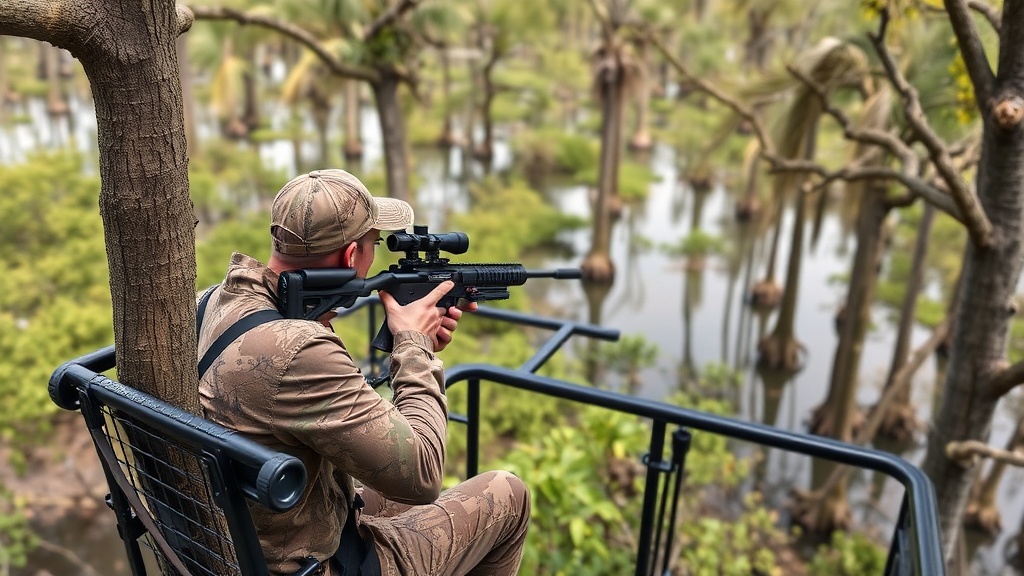
- Locate roosts along waterways. Osceola turkeys roost in tall cypress trees along pond edges, creek corridors, and swamp margins. Scouting the evening before to pinpoint roost locations is critical. Set up within 100 to 150 yards of the roost before dawn.
- Hunt palmetto edges and hammock borders. Turkeys move between open prairies and the cover of palmetto flats and oak hammocks throughout the morning. Setting up along these transition zones with a hen decoy can bring gobblers within range.
- Call softly and sparingly. Osceola turkeys are generally less vocal than Rio Grande or Eastern turkeys. Use soft yelps, clucks, and purrs rather than aggressive calling. If a bird responds but hangs up, try going silent for an extended period. Curiosity often brings them in.
- Be prepared for wet conditions. Much of Florida’s prime turkey habitat involves crossing water, walking through saturated ground, or setting up near swamp edges. Rubber boots and a willingness to get wet are part of the experience.
- Hunt midmorning. After turkeys fly down and disperse from the roost, gobblers often begin looking for hens. The window from about 8:00 to 11:00 a.m. can produce excellent action as birds move through feeding areas.
Patience is essential. Osceola hunts often take more time and effort than hunting other subspecies, but the reward of harvesting a bird found in no other state makes it worthwhile.
Gear Considerations
Florida’s spring turkey season falls during warm weather, with temperatures often reaching the 70s and 80s. Humidity is high, and insect activity is intense. Gear choices should prioritize comfort, concealment, and dealing with wet conditions.
Essential gear includes:
- A 12- or 20-gauge shotgun with a full or extra-full turkey choke and quality turkey loads
- Full camouflage in patterns suited to green, brown, and palmetto environments, including face mask and gloves
- Rubber boots or waterproof knee boots for crossing wet areas and setting up near swamp edges
- Lightweight, breathable clothing that handles humidity without excessive noise
- A turkey vest or seat pad for comfortable sits in flat, featureless terrain where leaning against a tree may not always be an option
- A selection of calls: box call, pot-and-peg slate call, and a diaphragm call for hands-free calling
- Insect repellent effective against mosquitoes, ticks, and chiggers
- Hen decoys and optionally a jake decoy for spring setups
For gear reviews, visit the gear hub and the game calls review.
Plan Your Hunt
Florida turkey hunting offers the unique opportunity to pursue the Osceola subspecies in a one-of-a-kind landscape. Get started with these resources:
- Turkey Hunting Guide – subspecies, calling strategies, and general tactics
- Florida Location Hub – hunting opportunities across the Sunshine State
- Scouting Basics – how to locate roost sites and feeding areas
- First-Time Hunter Checklist – essentials for planning your first hunt
Explore Related Topics:
Notice an update we should make?
We strive for accuracy. Contact us here if you see incorrect or outdated info on this page.