California is one of the best-kept secrets in American turkey hunting. Adult toms typically weigh 11–24 lbs (toms), 5–12 lbs (hens), and the state’s robust populations make it a rewarding destination. The state supports robust populations of wild turkeys, primarily the Rio Grande subspecies in the Central Valley, Coast Ranges, and Sierra foothills, and Merriam’s turkeys at higher elevations in the Sierra Nevada and northeastern mountains. Originally introduced in the mid-20th century, turkeys have thrived in California’s oak woodland and mixed-forest habitats, and the population now numbers in the hundreds of thousands. The California Department of Fish and Wildlife (CDFW) manages turkey hunting through both spring and fall seasons with generous tag availability.
| Season Type | Opens | Closes | Notes |
|---|---|---|---|
| Spring | March 29, 2025 | May 4, 2025 | Gobblers and bearded turkeys only. Shotgun, archery, or rifle. One bearded turkey per tag. |
| Fall | November 8, 2025 | December 14, 2025 | Either-sex fall turkey season. Shotgun, archery, or rifle. |
Hunters near Sacramento, Los Angeles, and San Francisco all have access to productive turkey country within reasonable driving distance. The oak-studded foothills of the Sierra Nevada and Coast Ranges provide ideal habitat where turkeys find abundant acorns, insects, and roosting trees. California’s warm, dry spring weather makes for comfortable hunting conditions, and the state’s long season and liberal bag limits give hunters ample opportunity to fill tags.
Turkey hunting in California is a relatively straightforward affair compared to many western big game pursuits – no lottery draws for most tags, minimal access barriers, and turkey densities that rival the best eastern states in prime habitat. Always verify current regulations with the CDFW, as rules may be updated between seasons.
Season Overview
California’s spring turkey season typically opens in late March or early April and runs through late April or early May, depending on the zone. The state divides turkey hunting into multiple zones, with slightly different opening and closing dates. Spring hunting hours generally run from half an hour before sunrise to a designated afternoon closing time.
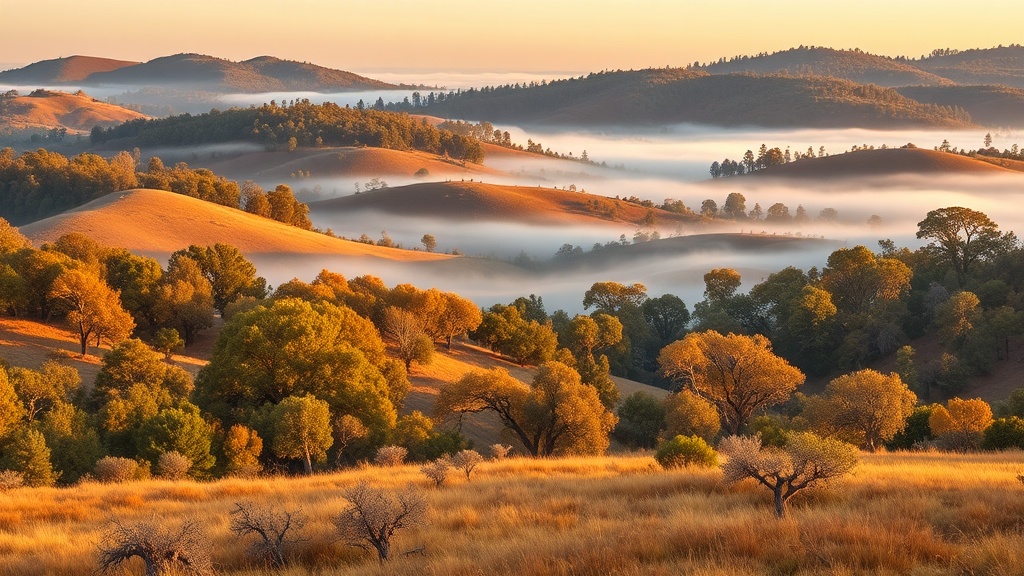 The fall turkey season provides additional opportunity and usually opens in mid-November and extends through late December or early January. Fall hunting is open in designated areas across much of the state. A youth turkey hunt may be held before the regular spring season opener.
California’s long combined spring and fall seasons, paired with generous bag limits, make it one of the more accessible turkey hunting states in the West. For current zone boundaries and season dates, visit the California hunting seasons page.
Licensing and Tags
California turkey tags are available over the counter as part of the upland game bird license or as a separate turkey tag, making them far more accessible than the state’s deer tags. Hunters need a valid California hunting license and the appropriate turkey tag. The spring season typically allows multiple birds per season, with a per-day bag limit. Fall tags operate under a similar structure. Residents can expect to pay $55.63 for a resident hunting license, while nonresidents should budget for the higher $194.08 nonresident fee.
Nonresidents can purchase the same license and tag types as residents, with higher fees. Junior hunting licenses and apprentice licenses are available for youth and new hunters entering the sport.
No lottery drawing is required for turkey tags in most situations, which makes California turkey hunting an excellent option for hunters who did not draw a deer or other big game tag.
For full license and tag details, visit the California hunting license guide.
Regulations Highlights
During the spring season, only bearded turkeys are legal in most zones. Shotguns and archery equipment are the primary legal weapons. California’s statewide non-lead ammunition requirement applies to turkey hunting with shotguns, so hunters must use approved non-lead shot such as tungsten, bismuth, or steel. Archery hunters must meet minimum draw weight and broadhead requirements.
 <strong>Daily limit:</strong> 1 | <strong>Season limit:</strong> 3
Fall turkey regulations may allow either-sex harvest in certain zones, expanding opportunity for hunters. Bag limits during both seasons are relatively generous compared to most states, often allowing multiple birds per season.
<strong>Daily limit:</strong> 1 | <strong>Season limit:</strong> 3
Fall turkey regulations may allow either-sex harvest in certain zones, expanding opportunity for hunters. Bag limits during both seasons are relatively generous compared to most states, often allowing multiple birds per season.
Electronic calling devices may be restricted during certain seasons, so hunters should check current rules. Turkeys must be tagged immediately upon harvest and reported through the CDFW’s reporting system. Hunting hours, zone-specific rules, and legal methods should be confirmed before each hunt.
For complete regulatory details, see the California hunting regulations page.
Where to Hunt
California’s vast public land base provides excellent turkey hunting access, particularly in the foothill zones where oak woodland habitat is abundant. Top areas include:
Mendocino National Forest – The oak-studded canyons and ridges of this northern Coast Range forest hold strong turkey populations. Road access varies, but hunters willing to walk in from forest roads find productive habitat with limited pressure.
Sierra Foothill WMAs and BLM Land – The western Sierra foothills from Placer County south to Mariposa County support excellent Rio Grande turkey numbers. BLM parcels and state wildlife areas scattered through the foothill zone provide walk-in access to oak grassland habitat.
Los Padres National Forest – The central and southern Coast Ranges hold good turkey numbers in the oak woodland and riparian corridors. This forest is accessible from the Los Angeles and San Francisco metro areas and offers a varied hunting experience.
San Bernardino National Forest – Turkey populations have expanded into the mountains of Southern California. This forest offers a convenient option for hunters in the greater Los Angeles area, with birds found along oak-lined canyons and creek drainages.
Tehama Wildlife Area – Located in the northern Sacramento Valley foothills, this state-managed property features rolling oak grassland and riparian habitat that consistently holds turkeys during both spring and fall seasons.
For more on accessing public land for hunting, visit the California land access guide.
Tactics and Strategies
California’s turkey hunting tactics are shaped by the state’s open, oak-dominated landscape. In the Sierra foothills and Coast Ranges, turkeys roost in large valley oaks, blue oaks, or cottonwoods along creek bottoms and canyon edges. Locating roost trees before the season through evening scouting is one of the most effective preparation steps. Birds tend to fly down to open grassland or oak savanna to feed and strut in the morning.
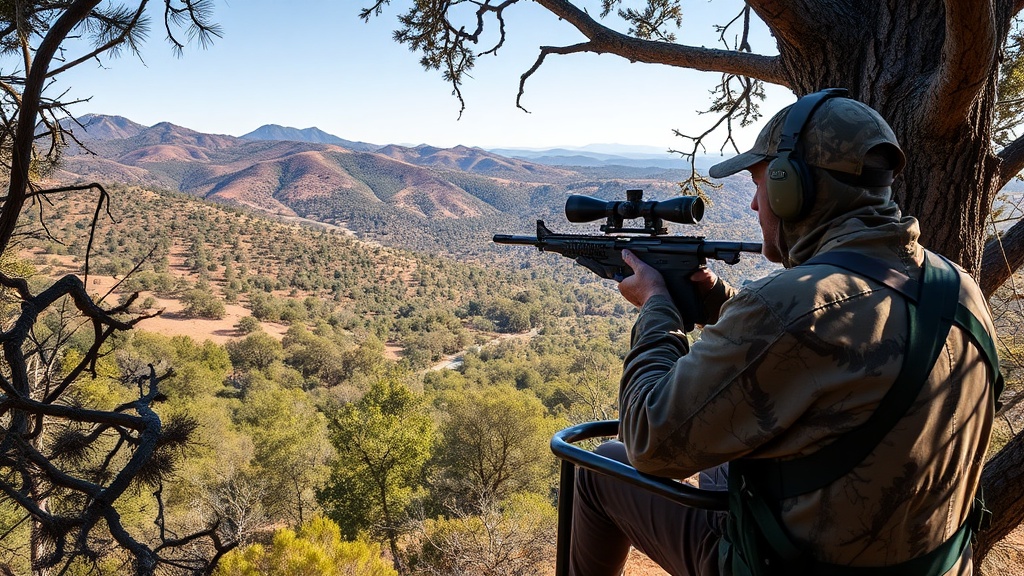 The classic approach is to set up below or adjacent to a roost site before dawn and call birds as they fly down. In California’s open terrain, decoys are particularly effective, as turkeys can see them from long distances. A spread of hen decoys in an open flat or field edge with a jake or strutting tom decoy can draw gobblers aggressively.
Because much of California’s turkey habitat is relatively open compared to eastern forests, hunters need to pay extra attention to concealment. Setting up against a large oak trunk, using a portable ground blind, or positioning in brush along a draw is essential for hiding from turkeys’ sharp eyesight.
Rio Grande turkeys in California tend to travel in large flocks, and locating concentrations of birds through pre-season scouting gives hunters a major advantage. In the fall, turkeys flock heavily around acorn-producing oaks and can be patterned along their daily routes between roost sites and feeding areas.
California’s warm spring weather means hunters can dress lighter than in most turkey states, but mornings in the foothills can be cool, especially at elevation. An early-morning chill followed by rapid warming is typical, so layering remains important.
Gear Considerations
Turkey hunting in California’s mild climate is less gear-intensive than in colder states, but a few items deserve special attention. A reliable shotgun in 12-gauge or 20-gauge with a tight turkey choke is the standard setup. Because all shotgun ammunition must be non-lead in California, hunters should select quality bismuth or tungsten-composite turkey loads and pattern them at the range before the season. Non-lead shot can perform differently from lead, so confirming pattern density and point of impact is essential.
Full camouflage clothing, including gloves and a face mask, is necessary for the open terrain. A lightweight, portable ground blind can be a game-changer in areas where natural concealment is sparse. A comfortable seat pad or turkey vest with a built-in cushion keeps sits comfortable during long morning setups.
Carry multiple call types – box calls, slate calls, and diaphragm calls – to adapt to bird responses. Decoys are highly effective in California’s open habitat. Sturdy boots that handle rocky terrain and dry grass are essential, and a hydration pack is wise during warm spring mornings.
For more gear advice, visit the gear reviews section.
Plan Your Hunt
California offers some of the most accessible and underrated turkey hunting in the western United States. Start your planning with these resources:
- Turkey Hunting Guide – Turkey biology, subspecies behavior, and calling strategies
- California Location Hub – Statewide hunting opportunities
- Scouting Basics – Locating roost sites and travel routes
- First-Time Hunter Checklist – Preparation essentials for new hunters
Explore Related Topics:
Notice an update we should make?
We strive for accuracy. Contact us here if you see incorrect or outdated info on this page.