Arkansas has a proud tradition of turkey hunting rooted in the state’s rugged mountain terrain and rich bottomland forests. Adult toms typically weigh 11–24 lbs (toms), 5–12 lbs (hens) and are found across the state from the Ozark ridges to the Delta bottomlands. The Eastern wild turkey is the only subspecies found in Arkansas, and the population has recovered strongly from historic lows thanks to decades of restoration work. Today, turkeys are found across the state, from the hardwood-covered ridges of the Ozark and Ouachita Mountains to the bottomland timber of the Arkansas River valley and the Delta. The Arkansas Game and Fish Commission (AGFC) manages the turkey resource through structured spring seasons, harvest reporting, and ongoing habitat work.
| Season Type | Opens | Closes | Notes |
|---|---|---|---|
| Spring | April 14, 2026 | May 8, 2026 | Gobblers and bearded hens only. Statewide spring turkey season. |
| Youth | April 5, 2026 | April 6, 2026 | Youth spring turkey weekend. Hunters 15 and under. |
The Ozark Mountains of northwest Arkansas provide classic hill-country turkey hunting, with birds roosting in tall oaks along ridgelines and strutting in forest openings, logging roads, and old fields. The Ouachita Mountains to the south and west feature pine-hardwood forests and rocky terrain that also hold strong turkey populations. Further east, the transition from mountains to the flat Delta bottomlands creates a different style of turkey hunting, with birds using hardwood bottoms, river corridors, and agricultural field edges. Hunters near Little Rock, Fayetteville, and Jonesboro all have access to productive turkey habitat.
Always verify current season dates, bag limits, and legal requirements through the official AGFC regulations before heading afield. Rules may vary by zone and can change year to year.
Season Overview
Arkansas offers a spring turkey season that typically runs from mid-April into early May. The season may be divided into a youth-only opening weekend followed by the general season. The spring season is timed to coincide with peak gobbling activity, when toms are actively seeking hens and are most responsive to calling.
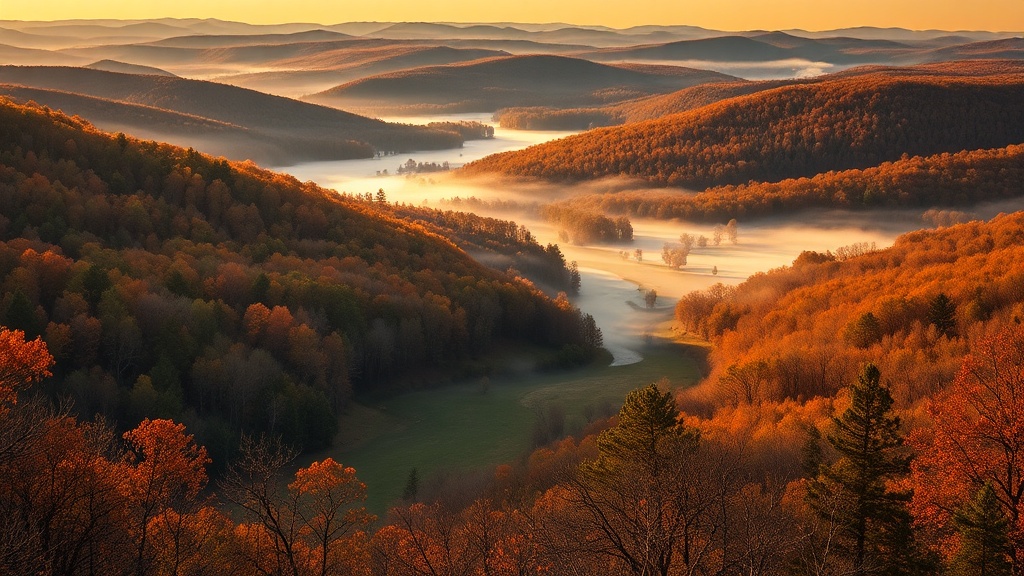 A fall turkey season may also be available in certain years and zones, though fall seasons have been adjusted over time based on population surveys. When offered, fall turkey hunting provides a different experience focused on breaking up flocks and calling scattered birds back together.
For full season details, visit the Arkansas hunting seasons page.
Licensing and Tags
All turkey hunters in Arkansas need a valid hunting license and a turkey permit or tag. Residents purchase a resident hunting license, and nonresidents need a nonresident all-game license or a trip license. In addition, a turkey tag or permit is required for each bird a hunter intends to harvest. Residents can expect to pay $10.50 for a resident hunting license, while nonresidents should budget for the higher $350.00 nonresident fee.
Arkansas turkey permits are generally available over the counter without a draw system, making the state accessible to nonresidents planning a spring trip. Hunters should confirm the number of available tags and whether separate permits are needed for spring and fall seasons.
For a full breakdown of license types and purchasing options, see the Arkansas hunting license guide.
Regulations Highlights
Arkansas turkey regulations are designed to sustain healthy populations while providing quality hunting. Key rules include:
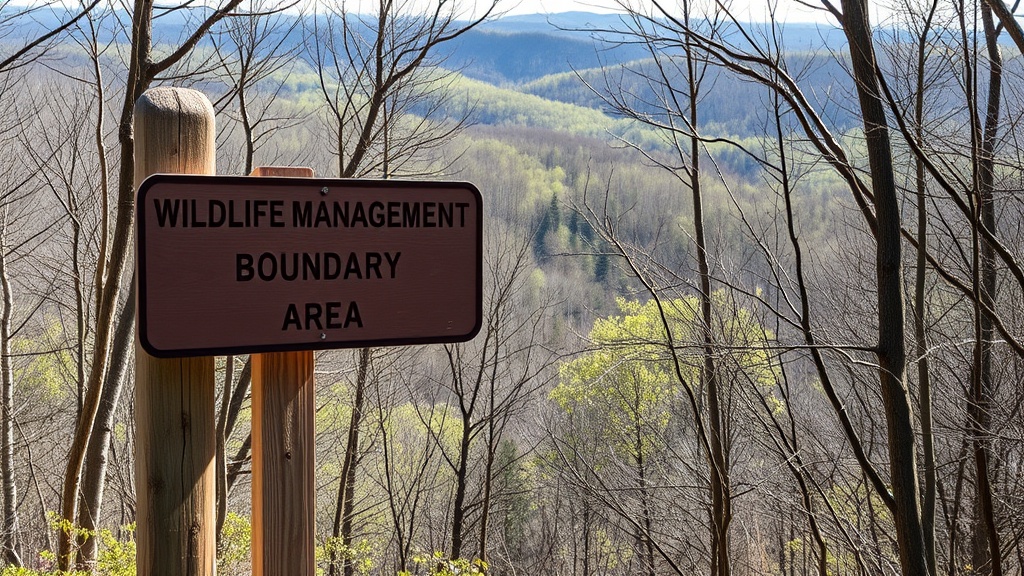 <strong>Daily limit:</strong> 1 | <strong>Season limit:</strong> 2
- Bag limits: The spring season typically allows two bearded turkeys, though bag limits can vary by year based on population assessments.
- Legal weapons: Shotguns, archery equipment including crossbows, and muzzleloading shotguns are legal for turkey hunting. Rifles are not permitted.
- Shot size: Regulations specify allowable shot sizes, and non-toxic shot may be required on certain wildlife management areas or federal lands.
- Hunting hours: Spring turkey hunting hours typically begin at one-half hour before sunrise and end at a set afternoon time or sunset, depending on the season period.
- Blaze orange: Not required during spring turkey season, but the AGFC recommends caution when moving through areas where other hunters may be present.
- Tagging and reporting: All harvested turkeys must be tagged immediately and reported through the AGFC’s check-in system before the bird is processed or transported.
Review the full set of rules on the Arkansas hunting regulations page.
Where to Hunt
Arkansas provides extensive public land for turkey hunting, including two national forests and numerous wildlife management areas. Top areas include:
Ozark National Forest – Over a million acres of mountainous terrain in northwest Arkansas, featuring oak-hickory timber, ridgeline openings, and creek bottoms where turkeys roost, strut, and feed. This is premier public land turkey hunting in the Southeast.
Ouachita National Forest – Spanning the Ouachita Mountains of west-central Arkansas, this forest offers pine-hardwood ridges, creek drainages, and old logging roads that serve as natural strut zones for gobblers.
Gene Rush Wildlife Management Area – Located in the Ouachita Mountains near Hot Springs, Gene Rush provides quality turkey habitat in a mix of hardwood and pine forest with limited road access that reduces pressure.
Piney Creeks Wildlife Management Area – In the Ozarks of northwest Arkansas, this WMA features limestone bluffs, creek bottoms, and open glades that concentrate turkey activity.
Camp Robinson Wildlife Management Area – Near Little Rock, Camp Robinson offers accessible turkey hunting in a mix of Ouachita foothills and river bottom habitat. The proximity to Little Rock makes it popular, so scouting less-pressured corners of the property pays off.
For more on public and private land access options, visit the Arkansas hunting land page.
Tactics and Strategies
Arkansas turkey hunting tactics vary by terrain. In the Ozark and Ouachita Mountains, turkeys roost in tall hardwoods on ridges and points overlooking creek drainages. The key strategy is locating a roosted gobbler the evening before or at dawn, then setting up on the same ridge or just below the ridgeline within calling distance. After fly-down, gobblers in the mountains tend to follow ridgeline trails and strut in forest openings, logging roads, and small clearings on benches.
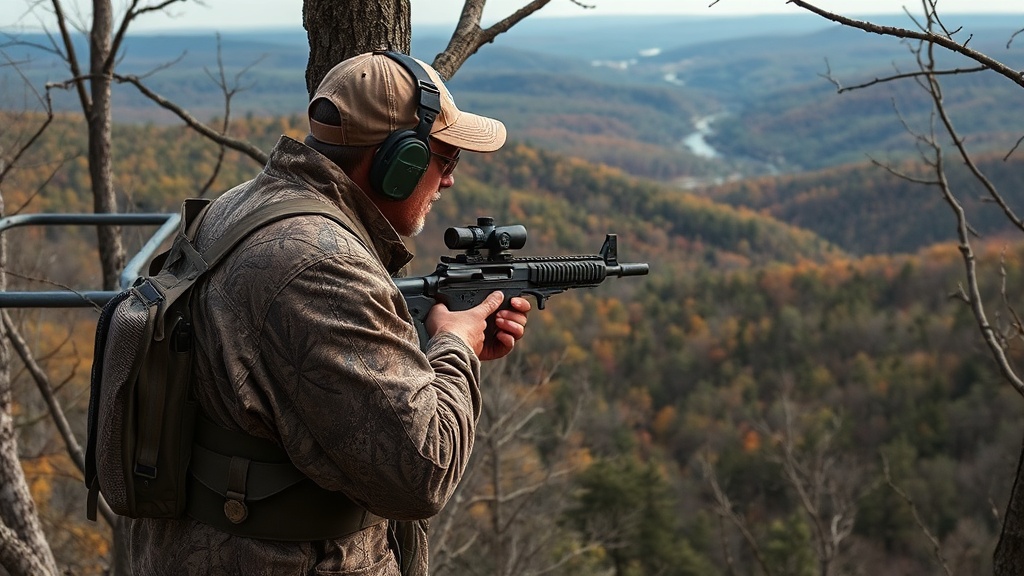 Mountain turkey hunting in Arkansas demands awareness of how sound travels through hollows and across ridges. A bird gobbling on the next ridge may sound close but could require a steep descent and climb to reach. Use a locator call such as an owl hoot or crow call to pinpoint a gobbler’s position before committing to a setup.
In the flatter areas of the Arkansas River valley and Delta, turkeys roost in bottomland hardwoods along rivers and sloughs, then move into adjacent agricultural fields and openings. Field-edge setups with decoys work well in these open environments. A hen decoy placed in a visible position on the field edge can draw a gobbler across open ground.
As the season progresses and hens start nesting, hunting mid-morning to midday becomes productive. Lonely gobblers will respond aggressively to calling during this period, and covering ground to locate receptive birds is an effective late-season strategy.
Gear Considerations
Arkansas spring turkey season takes place in warm to hot conditions, with mornings in April and May often starting mild. Rain and humidity are common, so moisture management is important.
Key gear for Arkansas turkey hunting includes:
- A 12-gauge or 20-gauge shotgun with a tight turkey choke and quality loads. TSS loads are gaining popularity for their extended effective range.
- Lightweight, breathable camouflage clothing suited for warm conditions, with a rain layer for spring showers
- A turkey vest with a cushioned seat for sitting against trees on rocky mountain terrain
- A selection of calls including diaphragm, slate, and box calls for varying conditions and distances
- A compact hen decoy for field-edge setups in open terrain
- Snake-resistant hunting boots are strongly recommended, as venomous snakes are active during spring turkey season in Arkansas
- Insect repellent for ticks and chiggers, which are prevalent in the Ozarks and bottomlands
For detailed gear recommendations, visit the gear hub.
Plan Your Hunt
Arkansas offers a rich turkey hunting tradition with diverse terrain, strong populations, and abundant public land. Use these resources to build your hunt plan:
- Turkey Hunting Guide – Biology, behavior, and calling strategies
- Arkansas Location Hub – Overview of hunting opportunities across the state
- Scouting Basics – How to locate roosting and strutting areas
- First-Time Hunter Checklist – Everything you need before your first hunt
Explore Related Topics:
Notice an update we should make?
We strive for accuracy. Contact us here if you see incorrect or outdated info on this page.