Predators play a vital role in natural ecosystems. They help control prey populations. This keeps the ecosystem in balance. For hunters, understanding predators is key to effective game management. Responsible predator hunting can benefit overall wildlife health.
Why Hunt Predators?
Hunting predators is not just about the chase. It’s a management tool used by wildlife agencies to protect prey populations and reduce conflict with humans.
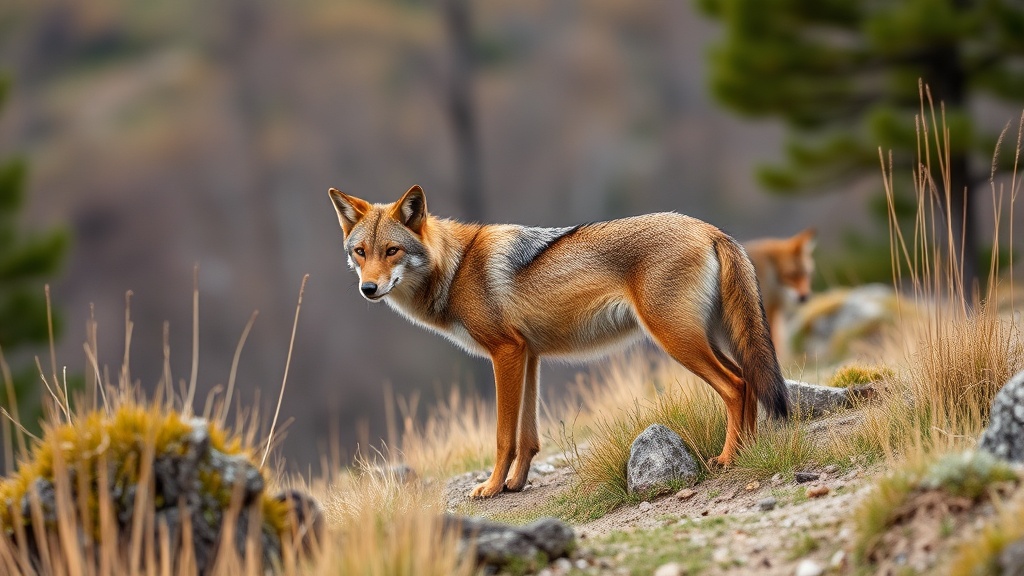
Population Control
When predator numbers get too high, they can severely impact game species like whitetail deer or turkey. In some areas, unchecked predator populations lead to lower fawn survival or disrupted nesting success. Controlled hunting helps balance the predator‑prey dynamic, improving conditions for game recovery.
Disease Management
High predator or prey densities can accelerate disease spread. Many predators carry diseases like rabies or distemper. Hunting reduces animal densities and lowers risk of outbreaks such as chronic wasting disease (CWD) in deer and elk. CWD is a fatal, neurological illness caused by prions, and infected animals can transmit it during a ‘silent’ incubation period 1.
Livestock Protection
In rural areas, predators sometimes target livestock. Legal and ethical hunting reduces livestock losses and deters illegal retaliation. USDA Wildlife Services oversees wildlife‑damage management, offering tools and technical help to farmers and ranchers 2.
Common Predator Species Hunted
| Species | Typical Regions | Notes |
|---|---|---|
| Coyotes | Nationwide | Often no closed season |
| Bobcats | Southern, Western states | Fur-bearing; regulated seasons |
| Foxes | Eastern and Northern states | Red and gray fox commonly hunted |
| Mountain Lions | Western states | Highly regulated, quota‑based |
| Black Bears | Many states and Canada | Seasons and tag limits apply |
Always check state-specific rules before hunting. Visit Texas predator regulations or Colorado hunting rules for examples.
Ethical Predator Hunting Practices
Predator hunters must follow the same high standards as big‑game hunters. Ethical choices support conservation and respect the animal.
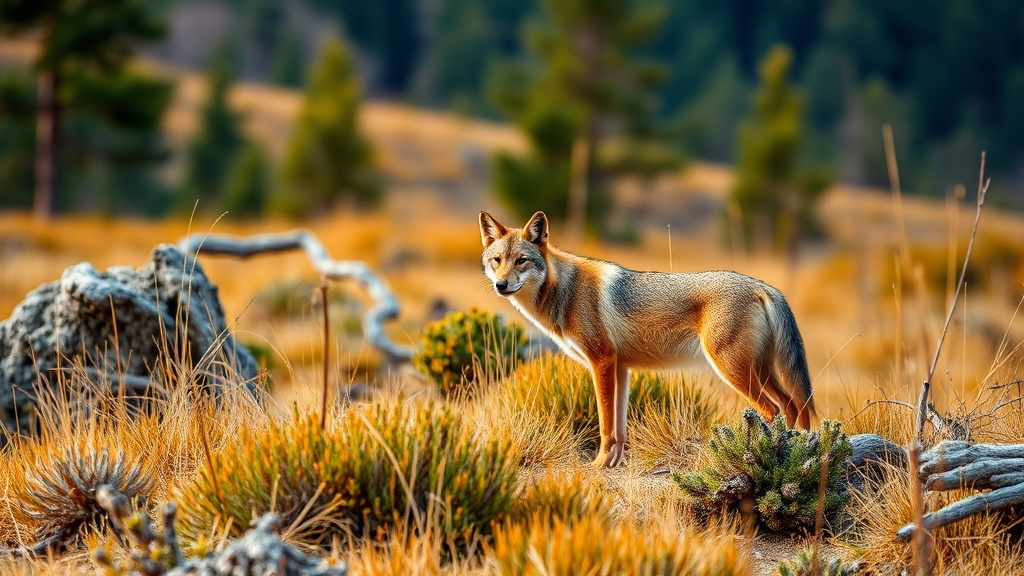
Follow State Regulations
Know what’s legal. Season dates, weapon restrictions, night-hunting allowances, and bag limits vary. Review your local guidelines. A good starting point is the Hunting License Guide.
Practice Fair Chase
Avoid unsporting practices like:
- Using bait where prohibited
- Shooting from moving vehicles
- Spotlighting (unless legal in your area)
- Ignoring private property boundaries
Fair chase retains respect for the animal and the hunt.
Take Responsible Shots
Learn predator anatomy. Coyotes and bobcats have small vital zones. Use proper calibers. See choosing the right caliber. Only shoot when confident.
Respect the Animal
Even if meat is not harvested, avoid wasting animals. Some hunters donate hides, tan pelts, or contribute carcasses to research or training.
Proven Hunting Methods
Different predators require different methods:
Calling
Use distress or territorial calls. Set up downwind. Blend with surroundings. See game calls for gear ideas.
Trapping
Requires a furbearer license. Effective for nuisance predators. Must follow state laws and check traps regularly 3.
Hounds
Allowed in select states for species like mountain lions. Highly regulated. Often used for research or depredation control.
Still Hunting & Spot‑and‑Stalk
Track using sign like tracks or scat. Works best in remote terrain. Requires patience and local knowledge.
Where to Hunt Predators
- Public Land: National forests, BLM lands, and wildlife areas often permit predator hunting. Follow both federal and state regulations 4.
- Walk‑in Access Programs: Some states offer private land enrolled for public hunting. Explore walk-in hunting programs.
- Private Land: With landowner permission, it’s often the most flexible and productive option. Learn more about private land access.
Predator Hunting and Conservation
Predator hunting helps fund conservation. License fees, tags, and excise taxes support:
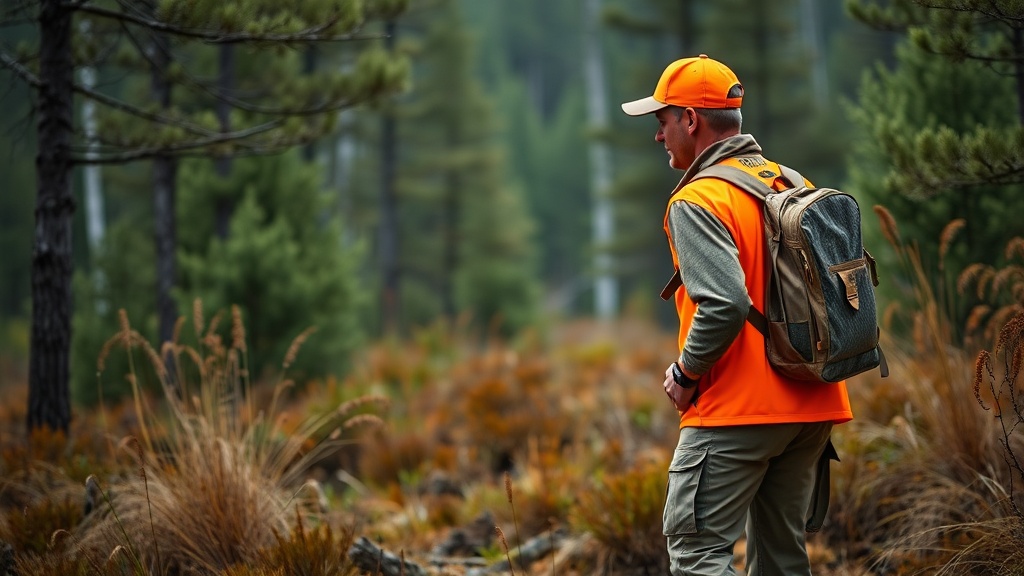
- Habitat restoration
- Scientific research
- Enforcement and land management
It’s a user‑funded system that succeeds when hunters act responsibly.
Always report your harvests. This data helps wildlife managers set future rules.
Gear Tip for Predator Hunters
Choose a lightweight backpack that fits calls, optics, and decoys. Check the top hunting backpacks for solid field-tested options.
Final Reminder
Predator hunting requires skill, patience, and ethical discipline. Follow regulations, respect wildlife, and keep conservation at heart. When done right, it’s a vital tool for sustainable wildlife management.
Before heading out, check your state’s current predator regulations:
Stay legal. Hunt clean. Support the ecosystem.
Explore Related Topics:
Notice an update we should make?
We strive for accuracy. Contact us here if you see incorrect or outdated info on this page.