Black bear hunting takes skill, patience, and a deep respect for the animal. With healthy populations across many U.S. states and an estimated 300,000 or more black bears in the lower 48 alone, it’s one of the most rewarding big game pursuits when done responsibly1.
Know Your Quarry: Black Bear Biology
Black bears (Ursus americanus) are North America’s most common bear species, found in at least 40 U.S. states and every Canadian province1. Despite their name, their fur can be black, brown, cinnamon, or even blonde. Color phase varies by region. Western bears show more variation than eastern populations, where black coats dominate.
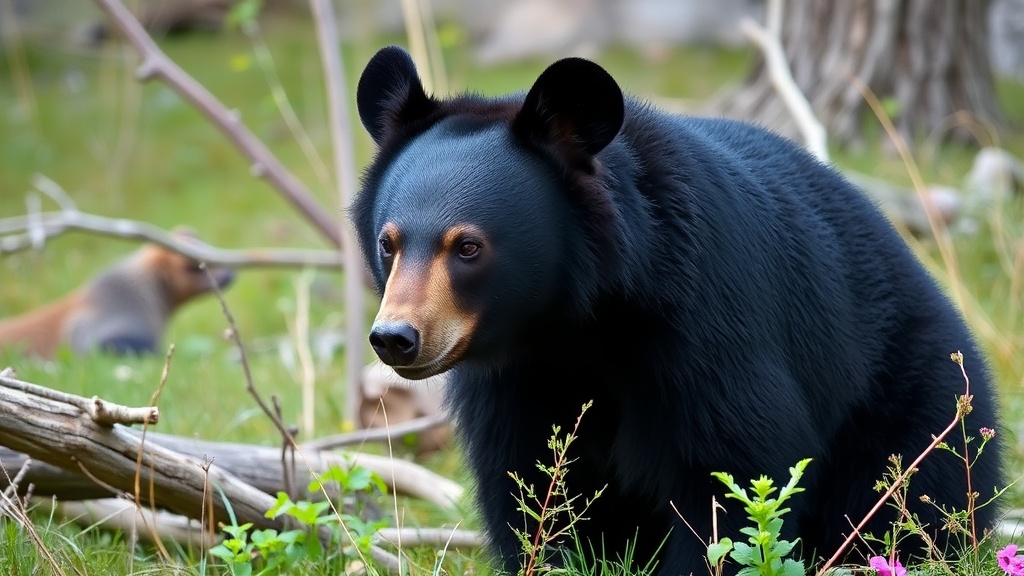
| Trait | Details |
|---|---|
| Weight | 150–500 lb (some males exceed 600 lb) |
| Height (standing) | 5–7 feet tall on hind legs |
| Lifespan | Up to 30 years in the wild |
| Senses | Exceptional smell, good hearing, decent vision |
Black bears are solitary except during breeding season (June–July) or when sows are raising cubs. Mature boars maintain loose home ranges of 10–60 square miles, while sows stay closer to 5–15 square miles. Understanding these range patterns helps you narrow your scouting area.
Their sense of smell is their primary tool. Bears can detect scent from over a mile away, which makes wind discipline just as critical in bear hunting as it is for whitetails. Their hearing is sharp. Their eyesight is adequate but not exceptional, and they notice movement well but struggle with stationary objects.
Seasonal Diet Patterns
A bear’s diet drives its movement. Understanding what bears eat at different times of year is the foundation of your scouting strategy.
- Spring: Fresh grass, skunk cabbage, dandelions, insects, and winter-killed carrion. Bears emerging from dens are calorie-hungry and feed in open meadows and south-facing slopes.
- Summer: Berries (blueberries, raspberries, serviceberries), ants, grubs, and other insects. Bears move into berry patches at higher elevations as fruit ripens.
- Fall: Acorns, beechnuts, hazelnuts, and remaining soft mast. Bears enter hyperphagia, consuming 15,000–20,000 calories per day to prepare for hibernation1. This is the most predictable period to pattern bears on food sources.
Prime Habitat and Bear Sign
Black bears thrive in forests with dense cover and nearby food sources. They favor transition zones where timber meets openings, stream corridors, and areas with diverse vegetation across multiple seasons.
When scouting, look for:
- Tracks: Five toes with a large heel pad. Front tracks are wider than long; rear tracks resemble a human footprint. Anything over 5 inches across the front pad likely belongs to a mature bear.
- Scat: Content changes with diet. Berry-laden scat in summer, nut-filled scat in fall. Fresh scat is moist and dark. Large piles with seeds or mast mean you’re near an active food source.
- Tree rubs and claw marks: Bears mark trees by rubbing and biting. Claw marks on aspens, beeches, and utility poles indicate travel routes.
- Uprooted logs and flipped rocks: Bears tear apart rotting logs and overturn rocks for ants, grubs, and beetles. Fresh disturbance means recent activity.
- Bear trails: Repeated use creates worn paths through brush, often with a distinctive overstep pattern in soft ground.
Use topo maps and aerial imagery to identify terrain funnels, saddles, and creek crossings where bears travel. Place trail cameras on these features at least two weeks before your hunt. Angle cameras along trails rather than across them to increase detection time.
Legal Hunting Methods
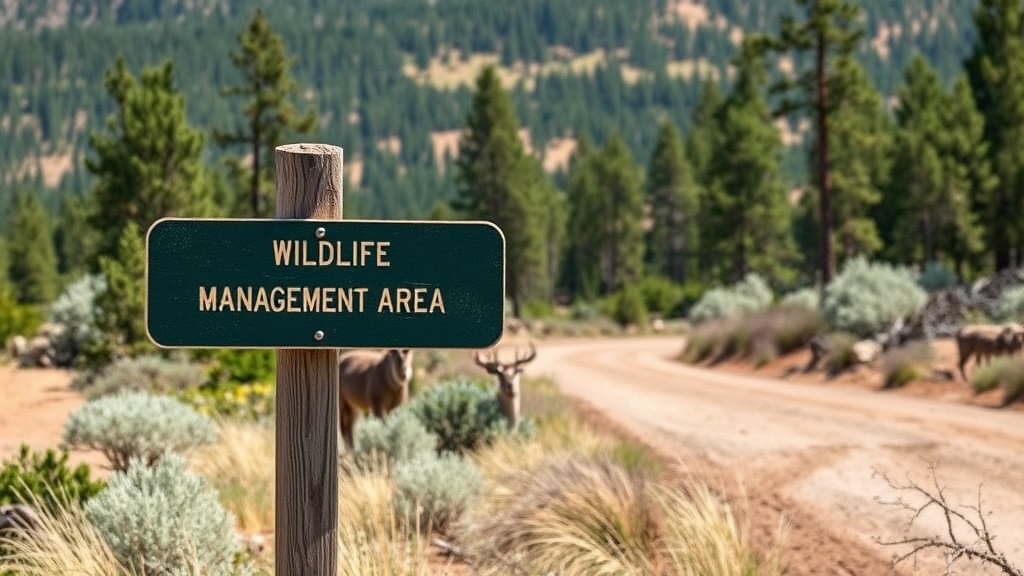
Always check your local and state regulations before planning your hunt. Methods that are legal in one state may carry heavy penalties in another.
1. Spot and Stalk
The most physically demanding method. Glass open slopes, meadows, clearcuts, or burn areas at dawn and dusk when bears are actively feeding. Quality binoculars (10x42 minimum) and a spotting scope are essential for judging size and confirming the bear has no cubs. Once you locate a bear, use terrain features and wind direction to close the distance. Bears feed slowly but can cover ground quickly, so have a plan before you start your stalk.
2. Still Hunting
Move slowly through thick cover, pausing every few steps to listen and scan. Focus on areas with fresh sign: overturned logs, recent scat, or torn-up berry patches. This method works best in dense timber where spot-and-stalk is impractical. Quiet clothing and rubber-soled boots are critical. Expect close encounters, often inside 50 yards.
3. Baiting (only legal in some states)
Where legal, bait stations are highly effective. Set bait (typically pastries, grease, or dog food) in a secure location at least two weeks before season opens. Anchor the bait to prevent bears from dragging it away. Place trail cameras to monitor activity and identify individual bears by size. Position your stand 15–25 yards downwind of the bait. Follow site registration and setback distance laws, which vary by state.
4. Hounding (state-restricted)
Trained dogs track and tree bears, allowing the hunter to select the animal before taking a shot. Legal only in select states (Idaho, Montana, Wisconsin, and a few others) and often requires special permits or guide oversight.
Important: Never assume baiting or hounding is legal. Some states ban both. Check with your state fish and wildlife agency before planning a hunt around either method.
Bear Hunting Gear Essentials
| Gear | Purpose |
|---|---|
| Rifle | Minimum .30-06 recommended; use heavy, controlled-expansion bullets |
| Optics | Binoculars and a scoped rifle for long-range glassing |
| Clothing | Quiet, scent-reducing layers; avoid synthetic rustling |
| Bear Spray | Non-lethal defense. Carry it even when armed |
| Game Bags | Breathable, lightweight bags for cooling and packing meat |
| GPS + Maps | Offline-capable tools for remote navigation |
| First Aid Kit | Include trauma items and blister prevention |
Tip: Invest in a meat pack frame if hunting deep in the backcountry. A boned-out bear can still weigh 80–150 pounds of usable meat, fat, and hide.
Safety: Before, During, and After the Shot
Before the Hunt
- Scout with a partner or let someone know your exact location and expected return time.
- Carry bear spray and practice deploying it under stress.
- Learn to recognize female bears with cubs. Sows are typically smaller-bodied and travel with young that may be in trees nearby. If you suspect cubs are present, do not shoot.
During the Hunt
- Aim carefully. The ideal shot is broadside or quartering-away, placing the bullet tight behind the front shoulder. Bears carry their vitals slightly more forward than deer, and their heavy fat and loose hide can close over wound channels, reducing blood trails.
- Never shoot sows with cubs. This is illegal in every state with a bear season.
- Stay alert. Bears are powerful and can react unpredictably to a shot.
After the Shot
A hit bear often runs. Unlike deer, bears rarely drop in place, even with a solid double-lung hit. Here is what to expect:
- Wait at least 30 minutes before following up on a broadside lung shot. If you suspect a gut or liver hit, wait 4–6 hours or until the next morning.
- Blood trails can be poor. Bears have thick fat and dense fur that absorb blood. Look for blood on vegetation at the bear’s shoulder height, not on the ground.
- Follow the trail slowly and quietly. A wounded bear that beds down and is not pushed will often expire. A pushed bear can travel miles.
- Approach from behind. Watch for ribcage movement. If the eyes are open and glazed, the bear is likely expired. If in doubt, place another shot from a safe distance.
- Use rubber gloves when field dressing. Cool the meat as quickly as possible. Bears carry trichinella parasites, so all bear meat must be cooked to an internal temperature of 165 degrees F2.
- If preserving the hide, skin carefully and salt the cape immediately for taxidermy.
Regulations, Tags, and Ethical Considerations
Black bear hunting is heavily regulated to ensure population health. Regulations vary significantly between states, so treat every hunt as a new research project.
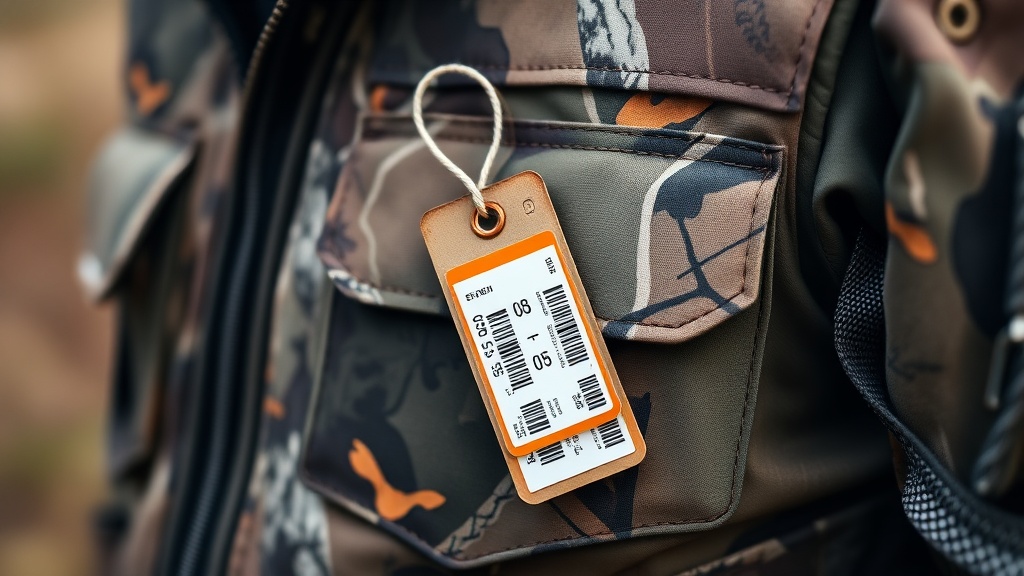
- Most states require species-specific bear tags separate from general big game licenses. Some use a lottery or draw system (Colorado, Montana), while others sell tags over the counter (Idaho, Maine).
- Reporting harvests is mandatory in nearly every state, often within 24–48 hours of the kill.
- In some states, you must submit tooth samples or skulls for population aging studies.
- Baiting, hounds, and electronic calls may be banned or restricted depending on the state. Several western states have banned hounding through ballot initiatives.
- Most states prohibit shooting bears under a certain size or sows with cubs34.
- Some states set separate season dates for archery, muzzleloader, and rifle, with different tag quotas for each.
- Check whether your state requires a bear identification course before purchasing a tag. Several states (New Jersey, Maryland) mandate an online course on identifying sows with cubs.
Putting It All Together
Black bear hunting rewards preparation. Scout early, learn the food sources in your area, and commit to identifying bears carefully before pulling the trigger. Pre-season scouting translates directly to confidence in the field.
Bear meat is rich and highly underrated when handled properly. Rendered bear fat is prized for baking and cooking. A well-managed bear hunt puts quality protein in the freezer and contributes to healthy wildlife populations through regulated harvest.
Helpful Next Steps
Explore Related Topics:
Notice an update we should make?
We strive for accuracy. Contact us here if you see incorrect or outdated info on this page.